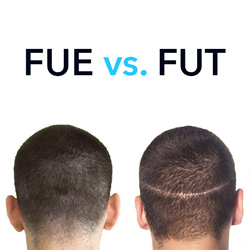

Hair loss can be a distressing experience, impacting self-esteem and social confidence. Fortunately, advanced hair transplant techniques like Follicular Unit Transplantation (FUT) and Follicular Unit Extraction (FUE) offer effective solutions to restore your hair and confidence. At hamintour, a premier medical tourism company in Iran, we connect you with world-class surgeons in state-of-the-art clinics to ensure optimal results. This SEO-optimized guide compares FUE and FUT, detailing their processes, pros, cons, and ideal candidates, while highlighting why Iran is a top destination for hair transplants. With hamintour’s support, your journey to fuller hair is seamless and affordable.
Understanding FUE and FUT Hair Transplants
Hair transplants involve moving hair follicles from a donor area (typically the back of the head) to a balding recipient area. Since the 1950s, when Dr. Orentreich pioneered punch grafts, hair restoration has evolved significantly. FUT emerged in the 1990s, followed by the more modern FUE and its variant, Follicular Isolation Technique (FIT). Both methods deliver natural-looking results, but their approaches differ significantly.
Follicular Unit Transplantation (FUT)
FUT, also known as Follicular Unit Strip Surgery (FUSS), is a traditional method where a strip of scalp is removed from the donor area. This strip is dissected into individual grafts, each containing hair follicles, which are then implanted into tiny incisions in the balding area. The donor site is sutured, leaving a linear scar.
Follicular Unit Extraction (FUE)
FUE is a more advanced technique where individual hair follicles are extracted directly from the donor area using precise circular incisions, typically after shaving a portion of the scalp. These grafts are then implanted into the recipient area. FUE is less invasive and avoids a linear scar, making it popular for those who prefer shorter hairstyles.
Follicular Isolation Technique (FIT)
FIT is nearly identical to FUE, with minor variations in the surgical tools used for follicle extraction. The differences are negligible, and both are considered equivalent in most contexts. hamintour’s partner clinics in Iran use advanced tools like NeoGraft for precise FUE/FIT procedures, ensuring minimal damage to follicles.
FUE vs. FUT: Key Differences
Choosing between FUE and FUT depends on your hair loss extent, hairstyle preferences, and recovery goals. Here’s a detailed comparison:
Procedure and Scarring
- FUT: Involves removing a strip of scalp, leaving a linear scar at the donor site. Modern suturing techniques minimize scar visibility, but it’s noticeable with short hair unless covered by longer hair.
- FUE: Extracts individual follicles, resulting in tiny, non-pigmented dot scars that are nearly invisible, even with short hair. This makes FUE ideal for those prioritizing aesthetics.
Recovery Time
- FUT: Requires 10–14 days for recovery due to the invasive nature of strip removal and suturing. Patients may experience more post-operative discomfort.
- FUE: Offers a shorter recovery period of 5–7 days, with less pain reported, making it suitable for those seeking a quicker return to normal activities.
Graft Yield and Suitability
- FUT: Allows for harvesting 4,000–5,000 grafts in a single session, making it ideal for extensive baldness. The strip method ensures high-quality grafts with minimal follicle damage.
- FUE: Typically harvests up to 2,000 grafts per session due to the time-consuming extraction process. It’s best for smaller areas of baldness or patients needing fewer grafts.
Time and Cost
- FUT: Faster to perform as the strip is removed in one step, making it more cost-effective for large-scale transplants.
- FUE: Time-intensive due to individual follicle extraction, leading to higher costs. However, its aesthetic benefits often justify the price for suitable candidates.
Advantages and Disadvantages
FUT Advantages:
- No need to shave the donor area.
- Suitable for large bald areas requiring many grafts.
- Shorter procedure time.
- Higher graft quality due to strip extraction.
FUT Disadvantages:
- Visible linear scar, requiring longer hair to conceal.
- Longer recovery period (10–14 days).
- More post-operative discomfort.
FUE Advantages:
- Minimal scarring (tiny dots, nearly invisible).
- Shorter recovery time (5–7 days).
- Less post-operative pain.
- Ideal for short hairstyles or smaller bald areas.
FUE Disadvantages:
- Time-consuming extraction process.
- Higher cost due to procedure duration.
- Limited graft yield per session (up to 2,000).
Who is a Good Candidate for FUE?
FUE is increasingly popular, especially in Iran, where precision and aesthetics are prioritized. Ideal candidates include:
- Younger Individuals: Those in their 20s or 30s who value flexibility in hairstyles and prefer minimal scarring to boost confidence.
- Small Bald Areas: Patients needing fewer grafts (up to 2,000) for localized hair loss, such as a receding hairline.
- Short Hair Enthusiasts: Those who prefer short hairstyles, as FUE’s tiny scars are discreet.
- Previous Transplant Patients: Individuals with prior FUT procedures seeking to minimize additional scarring.
hamintour’s surgeons assess your hair loss pattern and aesthetic goals to recommend FUE when appropriate, using advanced tools like NeoGraft for precision.
Who is a Good Candidate for FUT?
FUT remains a reliable choice for specific cases, particularly in Iran’s advanced clinics. Ideal candidates include:
- Long Hair Wearers: Those who keep their hair long, easily concealing the linear scar.
- Extensive Baldness: Patients requiring 4,000–5,000 grafts to cover large bald areas, where FUE’s graft limit is less effective.
hamintour’s partner clinics in Iran often combine FUT and FUE techniques for optimal results in complex cases, tailored to your needs.
Why Choose Iran for Hair Transplants?
Iran is a global leader in hair transplantation, with cities like Tehran, Shiraz, Isfahan, Mashhad, Tabriz, and Kish Island hosting advanced clinics equipped with cutting-edge technology. Iranian surgeons are renowned for their expertise, often trained in Europe or North America, and use state-of-the-art NeoGraft devices for FUE and precise suturing for FUT. The cost of hair transplants in Iran is one-third to one-fifth of Western prices, making it an affordable yet high-quality option.
hamintour enhances this experience with all-inclusive packages that include:
- Surgery with top-tier specialists in modern clinics.
- Accommodations in comfortable, recovery-friendly hotels.
- VIP airport transfers and local transportation.
- Visa assistance and English-speaking interpreters.
- Optional cultural tours to explore Iran’s rich heritage during recovery.
With thousands of successful procedures annually, Iran’s focus on aesthetic excellence ensures natural, lasting results. hamintour’s personalized consultations help you choose between FUE and FUT based on your hair loss, lifestyle, and budget.
Making the Right Choice: FUE or FUT?
- Choose FUE if you prioritize minimal scarring, prefer short hair, have smaller bald areas, or want a faster recovery with less discomfort. It’s ideal for younger patients or those seeking aesthetic flexibility.
- Choose FUT if you have extensive baldness requiring many grafts, prefer long hair to cover the scar, or prioritize cost-effectiveness and high graft quality.
Consulting with a skilled surgeon is crucial to determine the best method. hamintour’s free consultations connect you with experienced specialists who assess your scalp, discuss your goals, and recommend a tailored approach, sometimes combining FUE and FUT for optimal results.
Frequently Asked Questions (FAQs)
- What’s the main difference between FUE and FUT? FUE extracts individual follicles, leaving minimal scars, while FUT removes a scalp strip, leaving a linear scar. hamintour’s surgeons explain which suits your needs.
- Which hair transplant method is less painful? FUE typically causes less post-operative pain and has a shorter recovery time (5–7 days) compared to FUT (10–14 days). hamintour ensures comfortable recovery with expert care.
- Will I have visible scars after a hair transplant? FUE leaves tiny, nearly invisible dot scars; FUT leaves a linear scar, concealable with long hair. hamintour’s clinics use advanced techniques to minimize scarring.
- Who is a good candidate for FUE? Younger patients, those with small bald areas, short hair preferences, or prior transplants benefit from FUE. hamintour tailors recommendations to your profile.
- Who is a good candidate for FUT? Patients with extensive baldness or those with long hair are ideal for FUT. hamintour’s surgeons assess your needs for the best outcome.
- Why is Iran a top destination for hair transplants? Iran offers affordable, high-quality procedures with advanced technology and skilled surgeons. hamintour’s packages make the experience seamless and cost-effective.
- How many grafts can be transplanted in one session? FUT can transplant 4,000–5,000 grafts; FUE is limited to about 2,000. hamintour’s clinics optimize graft yield for your needs.
- How long is the recovery period for FUE and FUT? FUE recovery takes 5–7 days; FUT takes 10–14 days. hamintour provides aftercare support to speed up healing.
- Can FUE and FUT be combined? Yes, Iranian surgeons often combine both for optimal results in complex cases. hamintour facilitates customized treatment plans.
- How does hamintour support hair transplant patients? hamintour offers all-inclusive packages with top clinics, expert surgeons, accommodations, transfers, and cultural tours, ensuring a stress-free, successful experience in Iran.