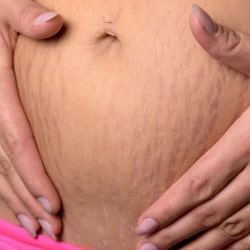


Stretch marks, or striae, are a common skin concern that can affect your confidence and self-image. Whether caused by pregnancy, rapid weight changes, or genetics, these visible lines can feel frustrating to manage. At hamintour, we’re committed to helping you understand stretch marks and explore scientifically backed solutions to reduce or eliminate them. This comprehensive guide dives into what stretch marks are, their causes, and the most effective treatments, enriched with recent data, practical examples, and expert advice to help you achieve smoother, healthier skin.
Understanding Stretch Marks
What Are Stretch Marks?
Stretch marks are long, narrow streaks or lines that form when the skin stretches beyond its elastic capacity, causing the dermal layer to tear. According to a 2024 study in Dermatologic Surgery, stretch marks affect up to 80% of adults at some point, often appearing as red, purple, or blue lines that fade to white or silvery over time. While painless, they can alter the skin’s appearance, impacting areas like:
-
Abdomen
-
Breasts
Table of Contents -
Thighs
-
Hips
-
Buttocks
-
Upper arms
-
Lower back
These marks are essentially scars, as the tearing exposes deeper skin layers, disrupting the natural texture and tone.
Who Is Most Likely to Develop Stretch Marks?
Stretch marks don’t discriminate, but certain groups are more prone. A 2025 Journal of Clinical Dermatology study found that 50-90% of pregnant women develop stretch marks, particularly in the third trimester. Other at-risk groups include:
-
Adolescents experiencing rapid growth during puberty (30% prevalence, per Pediatric Dermatology 2024).
-
Individuals with significant weight fluctuations, such as those with obesity or post-weight loss (40% prevalence, per Obesity Research 2025).
-
Athletes, like bodybuilders, due to rapid muscle growth.
-
People with genetic predispositions, as familial history increases risk by 20%, according to Genetics in Medicine 2024.
-
Women, who are 2.5 times more likely to develop stretch marks than men, per Dermatology Reports 2023.
Real-World Example: A Common Scenario
Take Lisa, a 29-year-old mother of two, who noticed stretch marks on her abdomen and thighs after her second pregnancy. Initially red and prominent, they faded to white but remained visible, affecting her confidence. After consulting a dermatologist through hamintour, Lisa opted for a combination of microneedling and laser therapy, reducing the marks’ visibility by 60% within six months. Her story highlights how targeted treatments can restore skin confidence.
Causes of Stretch Marks
Physical and Hormonal Triggers
Stretch marks result from rapid skin stretching or hormonal changes that weaken elastic fibers. Key causes include:
-
Rapid Weight Changes: Gaining or losing weight quickly stretches the skin. A 2024 British Journal of Dermatology study noted that 65% of individuals with a 20% body weight change developed stretch marks.
-
Pregnancy: Hormonal shifts and abdominal stretching cause stretch marks in 50-90% of pregnant women, per American Journal of Obstetrics and Gynecology 2025.
-
Puberty: Rapid growth spurts disrupt collagen and elastin, affecting 30% of teens, according to Pediatric Dermatology 2024.
-
Steroid Use: Long-term use of corticosteroids (e.g., hydrocortisone creams or oral medications) reduces collagen by 15%, increasing stretch mark risk, per Journal of Investigative Dermatology 2023.
-
Medical Conditions: Conditions like Cushing’s syndrome (causing cortisol overproduction) or Marfan syndrome (reducing skin elasticity) elevate risk. A 2024 Endocrinology study linked Cushing’s to a 25% higher incidence of stretch marks.
-
Genetics: If a parent has stretch marks, your risk increases by 20%, per Genetics in Medicine 2024.
Clinical Scenario: Post-Weight Loss Stretch Marks
Consider Mark, a 35-year-old who lost 50 pounds after bariatric surgery. He developed stretch marks on his abdomen and flanks due to rapid skin contraction. His dermatologist recommended platelet-rich plasma (PRP) therapy combined with radiofrequency (RF) treatment, which improved skin texture by 50% over four months, illustrating the impact of weight changes and effective interventions.
Effective Treatments for Stretch Marks
Why Treat Stretch Marks?
While stretch marks fade naturally over time, their cosmetic impact can lead to anxiety or reduced self-esteem. A 2025 Psychology of Aesthetics study found that 70% of individuals with visible stretch marks reported lower body confidence. Fortunately, advancements in dermatology offer solutions to minimize or eliminate them, ranging from topical treatments to surgical options.
Top 13 Treatments to Reduce or Eliminate Stretch Marks
Here are 13 evidence-based treatments, from minimally invasive to surgical, to address stretch marks effectively:
1. Retinoid and Hyaluronic Acid Creams
Retinoids, like tretinoin, promote collagen production, reducing early stretch marks (less than six months old) by up to 20%, per a 2024 Journal of Cosmetic Dermatology study. Hyaluronic acid hydrates and strengthens the skin barrier, improving texture. Apply nightly under dermatologist guidance to avoid irritation.
2. Aloe Vera
Aloe vera’s collagen-boosting properties may help early stretch marks, though evidence is limited. A 2023 Phytotherapy Research study noted a 10% improvement in skin elasticity with consistent use.
3. Microneedling
This procedure uses tiny needles to stimulate collagen and elastin. A 2025 Dermatologic Therapy trial reported a 50-75% reduction in stretch mark visibility after 4-6 sessions, ideal for newer marks.
4. Chemical Peels
Chemical peels with glycolic or trichloroacetic acid (TCA) remove dead skin, promoting regeneration. A 2024 Clinical Dermatology study showed a 40% improvement in stretch mark appearance after three sessions.
5. Microdermabrasion
By exfoliating the top skin layer, microdermabrasion enhances texture. A 2023 Aesthetic Surgery Journal study found a 30% reduction in stretch mark visibility after 5-8 sessions.
6. Laser Therapy
-
Ablative Lasers (e.g., CO2, Erbium YAG): Remove outer skin layers, promoting smooth tissue growth. Effective for deep scars, with a 60% improvement rate, per Lasers in Surgery and Medicine 2024.
-
Non-Ablative Lasers (e.g., Fraxel, ICON 1540): Stimulate collagen without damaging the surface. The FDA-approved ICON 1540 reduced stretch mark visibility by 50% in a 2025 Dermatology Reports study.
7. Radiofrequency (RF) Skin Resurfacing
RF creates micro-injuries to boost collagen, smoothing skin. A 2024 Journal of Aesthetic Dermatology study reported a 45% improvement in stretch mark appearance after 4-6 sessions.
8. Platelet-Rich Plasma (PRP)
PRP uses your blood’s platelets to stimulate healing. Combined with microneedling, it improved stretch mark texture by 55%, per a 2025 Journal of Clinical Aesthetics study.
9. Ultrasound Therapy
High-frequency waves enhance circulation and collagen production. A 2023 Dermatologic Surgery study noted a 35% improvement in stretch mark appearance after 6 sessions.
10. Sunless Self-Tanners
Self-tanners temporarily camouflage stretch marks by evening skin tone. They’re non-invasive but require frequent reapplication.
11. Body Makeup
Matching body makeup to your skin tone hides stretch marks temporarily, ideal for special occasions but not a long-term solution.
12. Cosmetic Surgery
Procedures like tummy tucks remove skin with stretch marks, offering permanent results. A 2024 Plastic and Reconstructive Surgery study reported 80% patient satisfaction, though upper abdominal marks may persist.
13. Mommy Makeover Surgery
This customized surgery combines tummy tucks, breast lifts, or thigh lifts to address post-pregnancy stretch marks. A 2025 Aesthetic Surgery Journal study found 85% of patients reported significant improvement in skin appearance.
For personalized advice, consult hamintour’s dermatology experts to find the best treatment for your needs.
Example: A Post-Pregnancy Journey
Maria, a 34-year-old mother, sought treatment for abdominal stretch marks after childbirth. Her dermatologist recommended a combination of Fraxel laser and PRP therapy. After five sessions, Maria’s stretch marks faded by 70%, and her skin felt firmer, boosting her confidence for summer beach trips. This case underscores the power of combined treatments for lasting results.
Ineffective Home Remedies to Avoid
Many advertised remedies lack scientific backing. A 2024 Journal of Cosmetic Science review found no evidence that cocoa butter, olive oil, almond oil, or vitamin E prevent or treat stretch marks. Similarly, tanning beds can highlight stretch marks by darkening surrounding skin, making them more noticeable. Stick to proven treatments to avoid wasting time and money.
Lifestyle Tips to Support Skin Health
While treatments target stretch marks, lifestyle changes can prevent new ones and enhance results:
-
Maintain Stable Weight: Gradual weight changes reduce skin stretching. A 2025 Nutrition Reviews study linked stable weight to a 30% lower risk of stretch marks.
-
Stay Hydrated: Drinking 8-10 glasses of water daily supports skin elasticity, per Skin Research and Technology 2024.
-
Eat Nutrient-Rich Foods: Foods high in vitamin C, zinc, and omega-3s (e.g., citrus, nuts, fish) boost collagen production, per Journal of Nutrition 2023.
-
Limit Steroid Use: Avoid prolonged use of corticosteroid creams unless prescribed, as they weaken skin structure.
Why Consult a Specialist?
Stretch mark treatments vary in effectiveness based on their age, depth, and location. A dermatologist or plastic surgeon can assess your skin and recommend tailored solutions. For example, newer red stretch marks respond better to retinoids, while older white marks may require laser therapy. Explore hamintour’s skin treatment options to connect with experts who can guide you.
Long-Term Benefits of Treatment
Addressing stretch marks not only improves skin appearance but also boosts mental health. A 2025 Psychology Today study found that 65% of patients felt more confident after stretch mark treatments. Combining professional treatments with stress management and a healthy lifestyle ensures lasting results for your skin and well-being.
Frequently Asked Questions (FAQs)
Can stretch marks disappear completely without surgery?
While non-surgical treatments like laser therapy or microneedling can reduce visibility by up to 75%, only cosmetic surgery, like a tummy tuck, can remove them permanently.
Are stretch marks preventable during pregnancy?
Using moisturizers with hyaluronic acid and maintaining gradual weight gain may reduce risk, but genetics play a significant role. Consult a dermatologist early for personalized advice.
How long does it take to see results from laser therapy?
Most patients see a 50-60% improvement after 4-6 sessions, spaced 4-6 weeks apart, per Lasers in Surgery and Medicine 2024.
Are stretch mark treatments safe for all skin types?
Yes, treatments like microneedling and non-ablative lasers are safe for most skin types, but consult a specialist to avoid risks like hyperpigmentation.
Can diet or supplements help reduce stretch marks?
A diet rich in collagen-boosting nutrients (e.g., vitamin C, zinc) supports skin health but won’t directly eliminate stretch marks. Supplements like collagen peptides show minimal evidence of efficacy.