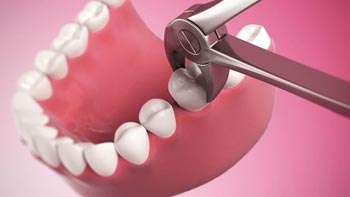


Dealing with a damaged or untreatable tooth causing pain and discomfort? Tooth extraction in Iran offers a quick, effective, and affordable solution to restore your oral health. As a leading destination for dental care, Iran combines highly skilled dentists, modern clinics, and cost-effective treatments. With hamintour’s all-inclusive support, your journey—from consultation to recovery—is seamless, enriched by Iran’s cultural treasures. Discover why Iran is ideal for tooth extraction and how hamintour ensures a stress-free experience.
Why Choose Iran for Tooth Extraction?
Iran is a top destination for dental procedures due to its unique advantages:
-
Advanced Dental Expertise
Iran is a regional leader in dentistry, performing thousands of successful procedures annually. Dentists specialize in tooth extractions, handling both simple and surgical cases with precision and high patient satisfaction. -
Highly Skilled Dentists
Iranian dentists are often board-certified and trained at prestigious institutions, many with international experience. They stay updated with the latest techniques, ensuring safe and effective extractions.Table of Contents -
Affordable Pricing
Tooth extraction in Iran costs $30-$100 for non-surgical extractions and $80-$200 for surgical extractions, compared to $100-$300 and $200-$650 in the USA. This includes consultations, treatment, and follow-ups, offering 60-80% savings. -
Modern Dental Facilities
Clinics in cities like Tehran, Mashhad, Shiraz, and Isfahan are equipped with advanced technology, ensuring safe and comfortable procedures in sterile environments. -
Cultural and Touristic Appeal
Recover while exploring Iran’s rich heritage, from ancient Persepolis to vibrant bazaars. hamintour curates recovery-friendly tours, blending healing with cultural discovery.
hamintour’s Comprehensive Support
hamintour simplifies your tooth extraction journey with all-inclusive services:
-
Dental Services: Clinic visits, diagnostic tests, tooth extraction, medications, and follow-ups.
-
Visa Assistance: Obtain a treatment visa (T-Visa) authorization code (visa fees separate).
-
Transportation: Airport pick-up, private transfers between hotel and clinic, and airport drop-off.
-
Accommodations: Stay in 3- to 5-star hotels near dental clinics, with details provided in advance.
-
Additional Support: 24/7 on-call assistance, interpreter services in English or your native language, SIM card, and internet access.
Cancellation Policy: A non-refundable deposit secures your booking. Post-arrival cancellations deduct 15% before consultation, 40% after consultation but before treatment, and no refund after treatment begins. No refunds apply for undisclosed medical conditions.
Understanding Tooth Extraction
Tooth extraction is a dental procedure to remove a tooth that cannot be saved due to severe damage, infection, or other issues. It’s a minor surgery performed under strict protocols to prevent complications like infection. Extractions are either non-surgical (simple) or surgical (involving incisions or bone removal).
Reasons for Tooth Extraction
-
Severe tooth decay or damage beyond repair.
-
Mobile teeth due to periodontal disease or abscess.
-
Overcrowded teeth affecting alignment (e.g., for braces).
-
Impacted or non-erupted teeth (e.g., wisdom teeth).
-
Malposed or supernumerary teeth.
-
Teeth near tumors, jaw fractures, or radiation sites.
Types of Extraction
-
Non-Surgical Extraction: For visible, accessible teeth; typically requires no stitches and minimal recovery.
-
Surgical Extraction: For impacted, broken, or non-erupted teeth (e.g., wisdom teeth); involves incisions and possible bone removal, requiring stitches.
The Tooth Extraction Process
The procedure takes 30 minutes to 1 hour under local anesthesia (or sedation/general anesthesia for complex cases), with no clinic stay required and a 5-7 day total stay in Iran. Steps include:
-
Evaluation: The dentist assesses the tooth and your health, checking for conditions like diabetes or heart disease that may require specialist approval.
-
Anesthesia: Local anesthesia numbs the area; sedation or general anesthesia is used for surgical extractions or special cases (e.g., cardiac patients, pregnant women).
-
Extraction: The dentist detaches the tooth from gingival tissues, uses an elevator to loosen it, and removes it with forceps. Surgical extractions involve incisions and possible bone removal.
-
Closure and Aftercare: Non-surgical extractions may not need stitches; surgical extractions are sutured. A gauze pad is placed to form a blood clot, and medications (antibiotics, painkillers) are prescribed.
In some cases, immediate dental implants or bone grafting may follow to preserve the socket.
Who is a Candidate?
You’re a good candidate if:
-
You have a severely damaged, decayed, or impacted tooth.
-
You experience persistent dental pain or infection.
-
You need tooth removal for orthodontic treatment or overcrowding.
-
You’re in good health, with controlled conditions like diabetes or hypertension.
-
You’re not in the first or last trimester of pregnancy or undergoing chemotherapy.
Contraindications include untreated infections, proximity to tumors, severe radiation exposure, or uncontrolled systemic conditions (e.g., bleeding disorders, leukemia).
Preparation for Tooth Extraction
-
Choose a Dentist: Select a skilled oral surgeon or dentist with extraction experience. hamintour connects you with vetted, board-certified professionals.
-
Pre-Treatment Instructions:
-
Inform your dentist of medical conditions or medications.
-
Avoid blood-thinning drugs (e.g., aspirin) for 1-2 weeks prior.
-
Arrange transportation, as sedation may impair driving.
-
-
Consultation: Discuss your dental issue and medical history to confirm suitability.
Recovery Timeline
-
Day 1-2: Bite on gauze for 30-60 minutes to form a blood clot. Expect mild pain, swelling, or oozing, managed with painkillers. Rest and follow a soft diet.
-
Day 3-7: Symptoms subside; rinse with saltwater to aid healing. Avoid straws, smoking, or lying flat to protect the clot.
-
1-2 Weeks: Full healing, with surgical extractions taking slightly longer. Follow-up visits ensure proper recovery.
Aftercare Tips:
-
Take prescribed antibiotics/painkillers to prevent infection.
-
Avoid hard, spicy, or hot foods for a few days.
-
Keep your head elevated when resting.
-
Brush gently and avoid the extraction site initially.
-
Schedule a follow-up after 7-10 days.
hamintour provides a detailed aftercare guide and virtual follow-ups to ensure optimal healing.
Potential Risks and Complications
Tooth extraction is safe but carries minor risks, including:
-
Temporary pain, swelling, bleeding, or bruising.
-
Dry socket (dislodged blood clot, causing severe pain after 3 days).
-
Rare complications like infection, nerve injury, or maxillary sinus issues (especially with upper molars).
High-risk patients (e.g., with diabetes or heart disease) may receive preventive antibiotics. hamintour’s experienced dentists minimize complications through precise techniques and strict protocols.
Your Journey with hamintour
-
Consultation: Contact hamintour via their website or WhatsApp for a free assessment, sharing your dental history and concerns.
-
Planning: Receive a tailored plan with transparent pricing ($30-$200 per tooth) and dentist recommendations.
-
Travel and Visa: hamintour secures visa approvals and books 3- to 5-star hotels near clinics.
-
Arrival: A representative provides airport transfers and settles you into your hotel.
-
Treatment Day: Complete diagnostic tests, meet your dentist, and undergo extraction in a modern clinic.
-
Recovery: Receive aftercare support and enjoy curated cultural tours during your stay.
-
Follow-Up: Get aftercare instructions and virtual check-ins post-trip.
Benefits of Tooth Extraction in Iran
-
Cost Savings: Save 60-80% compared to global prices, with no compromise on quality.
-
Expert Care: Access board-certified dentists with advanced technology.
-
Comprehensive Support: hamintour handles medical, travel, and tourism needs.
-
Cultural Experience: Recover while exploring Iran’s historical sites and vibrant culture.
Frequently Asked Questions
-
What is tooth extraction?
It’s a minor dental surgery to remove a damaged, decayed, or impacted tooth that cannot be saved. -
Why choose Iran for tooth extraction?
Iran offers low costs ($30-$200 per tooth), skilled dentists, modern clinics, and cultural attractions. -
How long does the procedure take?
It takes 30 minutes to 1 hour, with no clinic stay required. -
What is the recovery period?
Full recovery takes 1-2 weeks, with mild symptoms for a few days. -
What are the risks?
Risks include dry socket, infection, or rare nerve injury, minimized by hamintour’s expert care. -
Is it safe for high-risk patients?
Yes, with precautions like antibiotics for conditions like diabetes or heart disease. -
Can it be combined with other treatments?
Yes, often paired with whitening, fillings, or implants in one trip. -
How does hamintour support patients?
hamintour manages consultations, travel, treatment, and aftercare for a seamless experience. -
Can I explore Iran during recovery?
Yes, hamintour offers recovery-friendly tours to cultural sites like ancient ruins or markets. -
How do I start my journey?
Contact hamintour for a free consultation to plan your personalized tooth extraction experience.