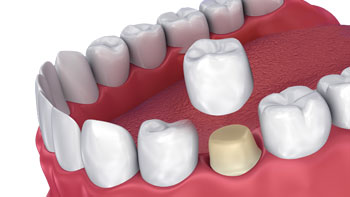


What Are Dental Bridges?
Dental bridges are custom-designed prosthetic devices that fill gaps left by missing teeth, restoring both function and aesthetics. A bridge consists of a false tooth, called a pontic, anchored by crowns or adjacent teeth on either side. This solution seamlessly bridges the space, enhancing your smile and bite while preventing issues like tooth shifting or gum disease. With hamintour, you can access top-tier dental bridge treatments in Iran for a fraction of the cost elsewhere.
Why Choose Iran for Dental Bridges?
Iran has emerged as a leading destination for dental tourism, and hamintour makes the experience seamless and rewarding. Here’s why Iran stands out:
-
Cost-Effective Care: Dental bridges in Iran are 30-80% cheaper than in Western countries, with hamintour offering treatments starting at $150 per tooth.
-
Expert Dentists: Iran boasts thousands of highly trained dentists, many educated at prestigious institutions in the US, UK, or Canada, ensuring exceptional skill and precision.
Table of Contents -
Advanced Clinics: Regulated by Iran’s healthcare system, dental clinics partnered with hamintour use state-of-the-art technology and adhere to global standards, rivaling facilities in developed nations.
-
Global Popularity: Patients from Europe, North America, and the Middle East choose Iran for its blend of affordability and quality, with hamintour facilitating a smooth medical journey.
Curious about patient experiences? hamintour provides access to testimonials and before-and-after photos showcasing successful dental bridge treatments in Iran. Contact hamintour for a free consultation to start your journey.
Benefits of Dental Bridges
Dental bridges offer numerous advantages, including:
-
Enhanced Aesthetics: Bridges restore a natural, uniform smile, boosting confidence.
-
Improved Functionality: They enable comfortable chewing and speaking.
-
Corrected Bite Alignment: Bridges prevent teeth from shifting, reducing the risk of malocclusion or gum issues.
-
Gap Closure: They effectively fill spaces left by missing teeth, maintaining oral health.
The Dental Bridge Procedure in Iran
With hamintour, getting a dental bridge in Iran is a streamlined process requiring a 7-10 day stay and typically completed in 2-3 sessions:
-
Preparation Session: The dentist reshapes the adjacent (abutment) teeth by filing them down to support the bridge. A mold is created and sent to a dental lab to craft the custom bridge, which takes a few days.
-
Placement Session: The finished bridge is cemented onto the abutment teeth or crowns. The dentist checks the bite and makes adjustments for a perfect fit. Each session lasts 1-2 hours.
-
Final Adjustments: The dentist ensures proper alignment and comfort, with hamintour coordinating all appointments and travel logistics.
Types of Dental Bridges Available
Iranian clinics, through hamintour, offer four main types of dental bridges, each suited to specific needs:
-
Traditional Bridges: Made from porcelain-fused-to-metal or ceramic, these are the most common, cemented to prepared adjacent teeth. They’re durable but require enamel removal, which may not suit undamaged teeth.
-
Cantilever Bridges: Similar to traditional bridges but anchored to only one adjacent tooth, ideal for cases with a single damaged tooth next to a gap.
-
Maryland (Resin-Bonded) Bridges: Made of porcelain, plastic, or metal, these use resin or metal wings to bond to one adjacent tooth, preserving enamel but offering less strength.
-
Implant-Supported Bridges: Secured by dental implants, these are highly stable and comfortable, requiring prior implant placement for missing adjacent teeth.
Your hamintour dentist will recommend the best type based on your dental condition and preferences.
Cost of Dental Bridges in Iran
With hamintour, dental bridges in Iran are highly affordable, ranging from $150 to $250 per tooth, including all fees. In contrast:
-
United States: $500-$1,200 per tooth (excluding additional fees).
-
United Kingdom: $500-$1,000 per tooth.
-
Other Countries (e.g., Turkey): $300-$800 per tooth.
For multiple teeth, the savings with hamintour are even more significant, making Iran a cost-effective choice for quality dental care.
Dental Bridges vs. Implants
While both bridges and implants replace missing teeth, they differ in approach:
-
Dental Bridges: Less invasive and more affordable, bridges rely on adjacent teeth or crowns for support. However, they require enamel removal, which may affect healthy teeth.
-
Dental Implants: A surgical option that doesn’t impact adjacent teeth, implants are more durable and can last a lifetime but require sufficient jawbone and a higher budget.
hamintour’s dental experts will guide you in choosing the best option for your needs.
Recovery and Aftercare for Dental Bridges
Recovery from dental bridge placement is minimal, with local anesthesia ensuring comfort during the procedure. You may experience mild discomfort or sensitivity for a few days, which subsides quickly. To maintain your bridges:
-
Brush twice daily with fluoride toothpaste and floss regularly to keep gums and teeth healthy.
-
Avoid chewing hard objects (e.g., ice or nuts) to prevent damage.
-
Schedule routine checkups with hamintour’s partner clinics to ensure long-term success.
Patient Stories and Testimonials
hamintour offers access to inspiring patient stories, including documentaries and before-and-after photos. Examples include an Australian patient’s journey for dental implants and a dual transformation involving crowns and cosmetic surgery. These testimonials highlight why Iran, with hamintour’s support, is a trusted choice for dental care.
Frequently Asked Questions (FAQs)
-
Why choose Iran for dental bridges?
Iran offers affordable, high-quality bridges with expert dentists and advanced clinics, facilitated by hamintour. -
How long does the dental bridge process take in Iran?
The procedure takes 7-10 days, completed in 2-3 sessions, with hamintour coordinating all logistics. -
Are dental bridges in Iran safe?
Yes, hamintour partners with regulated clinics adhering to global standards, ensuring safe and reliable outcomes. -
What types of dental bridges are available?
Options include traditional, cantilever, Maryland, and implant-supported bridges, tailored to your needs. -
How much can I save on bridges in Iran?
With hamintour, you can save 30-80% compared to costs in the US or UK, starting at $150 per tooth. -
Can bridges improve my bite alignment?
Yes, bridges prevent teeth from shifting, correcting bite issues and reducing gum disease risk. -
Do I need healthy adjacent teeth for a bridge?
Traditional and cantilever bridges require adjacent teeth, while implant-supported bridges are ideal if adjacent teeth are missing. -
How do I care for my dental bridges?
Brush and floss regularly, avoid hard foods, and schedule checkups with hamintour’s partner clinics. -
What’s the difference between bridges and implants?
Bridges are less invasive and cheaper but rely on adjacent teeth, while implants are standalone and more durable. -
How do I start my dental bridge journey with hamintour?
Contact hamintour for a free consultation to plan your treatment, travel, and care in Iran.