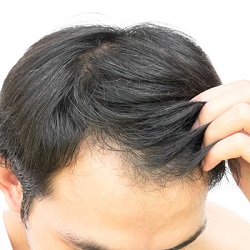

Hair is often considered a cornerstone of personal appearance, framing the face and boosting confidence. However, hair loss affects millions worldwide, impacting both men and women at various stages of life. From thinning hairlines to bald patches, the causes are diverse, ranging from genetics to lifestyle factors. Fortunately, effective treatments are available to address hair loss, and hamintour, a leading medical tourism provider in Iran, connects patients with top specialists offering affordable, high-quality solutions. This comprehensive guide explores the causes of hair loss, its impact, and the best treatment options, with a focus on why Iran is a premier destination for hair restoration.
The Significance of Hair Loss
Hair loss can significantly affect self-esteem and emotional well-being, as hair plays a key role in how we present ourselves to the world. For men, hair loss often manifests as a receding hairline or bald patches on the crown, while women typically experience diffuse thinning across the scalp. By age 50, approximately 50% of men and a significant number of women experience some degree of hair loss, with the prevalence increasing to 80% by age 70 in certain populations. hamintour partners with expert clinics in Iran to provide tailored solutions, helping patients regain confidence through advanced hair restoration techniques.
Causes of Hair Loss
Understanding the root cause of hair loss is crucial for effective treatment. The causes vary widely, and hamintour’s specialists in Iran conduct thorough assessments to pinpoint the underlying factors. Common causes include:
Genetic Factors
Heredity, or androgenetic alopecia, is the primary cause of hair loss, accounting for over 90% of cases. Known as male-pattern or female-pattern hair loss, it follows distinct patterns:
-
Men: Receding hairlines at the temples or bald patches on the crown, often progressing to a horseshoe-shaped ring of hair.
-
Women: Diffuse thinning, particularly on the top third of the scalp, with varied follicle sizes detectable under magnification.
If close relatives, such as parents or grandparents, have experienced hair loss, genetics is likely a contributing factor. hamintour’s partner clinics in Iran use advanced diagnostic tools to confirm hereditary hair loss and recommend targeted treatments.
Medical and Lifestyle Factors
Beyond genetics, several conditions and habits can trigger hair loss:
-
Medical Conditions: Thyroid disorders, anemia, autoimmune diseases, polycystic ovary syndrome (PCOS), and skin conditions like psoriasis or seborrheic dermatitis can lead to hair thinning.
-
Pregnancy and Hormonal Changes: Women may experience temporary hair loss post-pregnancy due to hormonal shifts.
-
Stress and Trauma: Extreme stress, surgery, or significant weight loss can disrupt hair growth cycles.
-
Nutritional Imbalances: Deficiencies in iron or excessive vitamin A intake can weaken hair follicles.
-
Medications: Blood thinners, anabolic steroids, and chemotherapy drugs are known to cause hair loss.
-
Scalp Infections: Fungal or bacterial infections can damage hair follicles, leading to patchy loss.
-
Hair Care Practices: Tight hairstyles (e.g., cornrows), aggressive brushing, excessive heat styling, or chemical-heavy products can cause traction alopecia or follicle damage.
hamintour’s specialists in Iran perform comprehensive evaluations, including blood tests, to identify non-genetic causes and develop personalized treatment plans.
Hair Loss in Men vs. Women
While hair loss is more common in men, women are also significantly affected, with distinct patterns and causes:
-
Men: Typically experience male-pattern baldness, starting at the temples or crown, progressing to partial or complete baldness. By age 70, up to 80% of men may be affected, though some ethnic groups, like Chinese and Japanese, show lower rates.
-
Women: Female-pattern hair loss affects approximately 30 million women in the US alone, often appearing as thinning on the scalp’s top third. It commonly begins in the 50s or 60s but can occur earlier due to pregnancy, PCOS, or other conditions.
hamintour’s partner clinics in Iran cater to both genders, offering customized treatments to address specific patterns and causes of hair loss.
Health and Psychological Impacts of Hair Loss
While hair loss itself is not typically a medical risk, it can have significant psychological and health implications:
-
Psychological Effects: Hair loss often leads to reduced self-esteem, social anxiety, and depression, particularly in men concerned about their appearance.
-
Associated Health Risks: Some studies suggest a correlation between male-pattern baldness and increased risks of prostate cancer, high blood pressure, obesity, heart disease, and diabetes.
hamintour’s holistic approach in Iran includes counseling to address the emotional impact of hair loss, ensuring patients feel supported throughout their treatment journey.
Effective Treatments for Hair Loss
Treatment options for hair loss depend on the underlying cause, ranging from lifestyle changes to surgical interventions. hamintour connects patients with Iran’s top hair restoration specialists, offering cutting-edge solutions at affordable prices. Common treatments include:
Non-Surgical Treatments
-
Addressing Underlying Causes: For non-genetic hair loss due to stress, malnutrition, or infections, eliminating the trigger (e.g., improving diet or treating scalp infections) can halt hair loss and promote regrowth.
-
Medications and Supplements: Minoxidil, applied topically, can slow hair loss in hereditary cases, though results are temporary and require continuous use. Nutritional supplements to address deficiencies, such as iron or biotin, can strengthen hair follicles.
-
Mesotherapy: This involves injecting nutrients and growth factors into the scalp to stimulate hair follicles, popular among women for non-invasive restoration.
-
Platelet-Rich Plasma (PRP) Therapy: PRP injections use the patient’s own plasma to promote hair growth by stimulating dormant follicles. hamintour’s clinics in Iran offer advanced PRP treatments with proven results.
Surgical Treatments
-
Hair Transplant: The most effective solution for hereditary hair loss, hair transplantation involves moving healthy follicles from non-balding areas (e.g., the back of the head) to thinning or bald areas. Techniques like Follicular Unit Extraction (FUE) and Follicular Unit Transplantation (FUT) ensure natural-looking results. hamintour’s partner clinics in Iran specialize in these procedures, delivering high-quality outcomes at costs significantly lower than in Western countries (e.g., $1,000–$3,000 vs. $10,000–$20,000 in the US).
Lifestyle and Hair Care Adjustments
-
Gentle Hair Care: Avoid tight hairstyles, aggressive brushing, or excessive heat and chemical styling to prevent traction alopecia.
-
Stress Management: Practices like meditation or yoga can reduce stress-related hair loss.
-
Balanced Diet: Ensure adequate intake of iron, protein, and vitamins to support hair health.
hamintour’s specialists provide personalized recommendations, combining medical treatments with lifestyle changes for optimal results.
Why Choose Iran for Hair Loss Treatment with hamintour?
Iran is a global leader in hair transplantation, offering world-class expertise at a fraction of the cost found in Western countries. Cities like Tehran, Shiraz, and Mashhad host advanced clinics staffed by experienced surgeons who perform thousands of procedures annually. hamintour enhances this experience by offering:
-
Affordable Pricing: Hair transplants in Iran cost 70–80% less than in the US or UK, with no compromise on quality.
-
Expert Surgeons: Iran’s specialists are highly trained, using state-of-the-art techniques like FUE and FUT.
-
Comprehensive Packages: hamintour includes surgery, accommodation, visa assistance, transfers, and interpreters, ensuring a seamless journey.
-
Cultural Experience: Recover while exploring Iran’s rich heritage, from Isfahan’s stunning mosques to Shiraz’s poetic landmarks.
Frequently Asked Questions (FAQs)
-
What is the main cause of hair loss?
Heredity (androgenetic alopecia) causes over 90% of hair loss cases, but hamintour’s specialists in Iran can identify other factors like stress or medical conditions. -
How does hair loss differ between men and women?
Men experience receding hairlines or crown balding, while women see diffuse thinning. hamintour offers tailored treatments for both. -
Can hair loss be reversed without surgery?
Non-genetic hair loss can often be reversed by addressing causes like stress or deficiencies. hamintour’s clinics provide non-surgical options like PRP therapy. -
What is a hair transplant, and is it effective?
A hair transplant moves healthy follicles to bald areas, offering permanent results. hamintour’s surgeons in Iran use advanced techniques for natural outcomes. -
Why is Iran ideal for hair loss treatment?
Iran offers affordable, high-quality procedures by expert surgeons, with hamintour ensuring a seamless medical tourism experience. -
Are there risks associated with hair loss?
Hair loss itself isn’t a medical risk but may impact mental health or signal underlying conditions. hamintour’s clinics conduct thorough evaluations. -
What non-surgical treatments are available in Iran?
Options like Minoxidil, mesotherapy, and PRP therapy are offered by hamintour’s partner clinics, tailored to your needs. -
How does hamintour support hair loss patients?
hamintour arranges consultations, travel, accommodations, and follow-up care, ensuring a stress-free journey in Iran. -
Can lifestyle changes prevent hair loss?
Gentle hair care, stress management, and a balanced diet can help. hamintour’s specialists provide personalized lifestyle advice. -
What makes Iran’s hair transplants cost-effective?
Iran’s lower operational costs and high expertise allow savings of up to 80%, with hamintour delivering top-quality care and support.