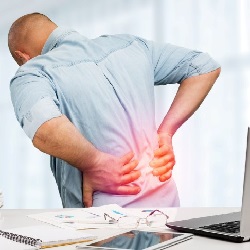


Introduction to Herniated Disc Pain Experiencing a sharp, radiating pain in your back when you bend or lift something? This discomfort might be caused by a herniated disc, a common spinal condition that affects millions. At hamintour, we understand how debilitating this pain can be and are committed to providing you with expert-backed, practical solutions to manage it effectively. In this comprehensive guide, we’ll explore what a herniated disc is, safe exercises to alleviate pain, activities to avoid, and lifestyle adjustments to support your recovery, all optimized for your well-being and SEO performance.
What Is a Herniated Disc?
A herniated disc, often referred to as a slipped disc, occurs when the soft, jelly-like center (nucleus) of a spinal disc pushes through a tear in its tough outer layer (annulus). Your spine, made up of 24 vertebrae, relies on these discs to act as shock-absorbing cushions, enabling flexibility and stability. When a disc herniates, it can press on nearby nerves, causing pain, numbness, or weakness in the back, legs, or arms.
This condition is often linked to aging, repetitive stress, or poor posture, with the lower back (lumbar spine) and neck (cervical spine) being the most vulnerable areas. According to hamintour’s medical insights, nearly 80% of adults experience back pain related to disc issues at some point, but non-surgical treatments can significantly reduce symptoms and improve quality of life.
Safe Ways to Manage Herniated Disc Pain
Managing back pain from a herniated disc starts with consulting a specialist to assess your condition. At hamintour, we emphasize personalized care and non-invasive strategies to help you regain comfort. Below are proven methods to ease your pain effectively:
1. Medications for Pain Relief
Doctors often recommend over-the-counter or prescription medications to reduce inflammation and alleviate pain. Common options include:
- Ibuprofen or Naproxen: Non-steroidal anti-inflammatory drugs (NSAIDs) to reduce swelling.
- Acetaminophen: For mild to moderate pain relief.
- Codeine (prescription): For severe cases, under medical supervision. Always follow your doctor’s guidance to avoid side effects, as hamintour prioritizes safe and informed treatment plans.
2. Hot and Cold Therapy
Applying a cold compress to the affected area for 15–20 minutes, 3–4 times daily, can reduce initial inflammation. After 48 hours, switch to a warm compress to relax muscles and improve blood flow. Hamintour recommends alternating these therapies for optimal relief, ensuring you protect your skin with a cloth barrier.
3. Optimize Your Sleeping Position
Proper sleep posture is crucial for disc health. Hamintour suggests:
- Stomach Sleeping: Use a firm mattress and a flat pillow to reduce spinal strain.
- Back Sleeping: Place a pillow under your knees and another under your head for alignment.
- Side Sleeping (Fetal Position): Curl your knees toward your chest to open spinal joints. A supportive mattress is key to preventing further disc irritation.
4. Gentle Exercises for Relief
Physical activity can strengthen your spine and reduce pain when done correctly. Hamintour endorses the following safe exercises for herniated disc patients:
Cobra Pose Stretch
- Lie face-down, place your hands under your shoulders, and gently lift your chest while keeping your hips grounded.
- Start with a half-cobra (forearms on the floor) and progress to a full cobra (arms extended).
- Hold for 15–20 seconds, rest, and repeat 3–5 times. This stretch enhances spinal flexibility and reduces nerve pressure.
Wall Sits
- Stand with your back against a wall, feet 2 feet away, shoulder-width apart.
- Slide down until your thighs are parallel to the floor, engaging your core.
- Hold for 20–60 seconds, rest for 30 seconds, and repeat 3 times. This strengthens your hips and quadriceps, supporting your spine.
Bird Dog
- Kneel on all fours, tighten your core, and lift one arm and the opposite leg, keeping them parallel to the floor.
- Hold for 3–4 seconds, return to start, and switch sides.
- Repeat 8–10 times per side. This exercise boosts core and back stability, reducing strain on your disc.
Bridge Pose
- Lie on your back with knees bent and arms at your sides.
- Lift your hips until your body forms a straight line from shoulders to knees.
- Hold for 1–2 minutes, engaging your core, then lower slowly.
- Repeat 3–5 times daily. Bridging strengthens your core and glutes, supporting spinal health.
Activities to Avoid with a Herniated Disc
Certain activities can worsen herniated disc pain by putting undue stress on your spine. Hamintour advises avoiding the following to protect your recovery:
1. Household Chores Like Laundry and Vacuuming
- Laundry: Bending, lifting heavy baskets, and twisting can strain your back. Break tasks into smaller loads, ask for help, or use professional services.
- Vacuuming: Repetitive twisting and bending exacerbate disc issues. Use both hands on the vacuum handle, avoid overstretching, and switch arms to balance the load.
2. Prolonged Driving
Extended sitting and vehicle vibrations can aggravate disc pain. Take breaks every 30–45 minutes, use lumbar support, and adjust your seat for proper posture.
3. Smoking
Tobacco reduces oxygen supply to spinal discs, accelerating degeneration. Quitting smoking is a critical step for long-term disc health, as emphasized by hamintour’s wellness experts.
4. Improper Lifting
Avoid bending at the waist to lift objects. Instead, squat, keep your back straight, and use your leg muscles to lift, reducing spinal pressure.
5. Sitting on Soft Furniture
Couches and recliners encourage slouching, which strains discs. Opt for firm, upright chairs to maintain spinal alignment.
Exercises to Avoid
Not all exercises are safe for a herniated disc. Hamintour recommends steering clear of:
- Crunches and Sit-Ups: These compress the spine and strain discs.
- Straight Leg Lifts: These increase lower back pressure.
- Standing Hamstring Stretches: Forward bends can aggravate disc issues.
- Squats: Heavy squats overload the lower back.
- Cycling: The forward-leaning posture can worsen lumbar disc pain.
Lifestyle Factors That Worsen Herniated Disc Pain
1. Obesity
Excess weight places additional stress on spinal discs, accelerating degeneration. Hamintour encourages a balanced weight loss plan with a focus on low-impact exercise and healthy eating to ease disc pressure.
2. Inflammatory Foods
A diet high in inflammatory foods can intensify back pain. Avoid:
- Sugary snacks and drinks.
- Refined grains (e.g., white bread, pizza, cereals).
- Red meat (contains neu5gc, linked to inflammation). Instead, incorporate anti-inflammatory foods like salmon, nuts, sweet potatoes, and green tea, as recommended by hamintour’s health experts.
Why Choose hamintour for Back Pain Guidance?
At hamintour, we prioritize your spinal health with evidence-based, non-surgical solutions tailored to your needs. Our team of specialists offers personalized advice to help you manage herniated disc pain effectively, ensuring you can return to an active, pain-free life. By following these strategies, most individuals can avoid surgery and achieve lasting relief.
If your pain persists despite these measures, consult a specialist to explore advanced options. Hamintour is here to guide you every step of the way, offering expert insights and compassionate care.
Frequently Asked Questions (FAQs)
1. Can a herniated disc heal on its own? Yes, many herniated discs improve with non-surgical treatments like rest, exercise, and medication. However, consult a specialist to monitor your condition.
2. How long does it take to recover from a herniated disc? Recovery varies, but most people see improvement within 4–6 weeks with proper care. Severe cases may take longer.
3. Are there specific mattresses for herniated disc pain? A firm mattress with medium support is ideal. It should maintain spinal alignment without being too hard or soft.
4. Can I exercise with a herniated disc? Yes, but stick to low-impact exercises like walking, swimming, or the stretches mentioned above. Avoid high-impact or twisting movements.
5. When should I consider surgery for a herniated disc? Surgery is a last resort if non-surgical treatments fail after 6–12 weeks or if you experience severe symptoms like loss of bladder control.
Disclaimer This article is intended for general informational purposes only and is not a substitute for professional medical advice. Always consult a qualified physician for diagnosis and treatment of herniated disc symptoms or before considering surgery.
This content has been reviewed by medical experts at hamintour. For more details, visit our physician review page.