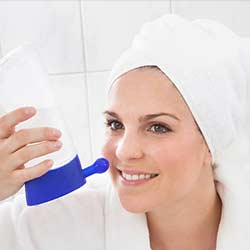


Rhinoplasty, or nose job, is a common cosmetic and functional surgery, with over 350,000 procedures performed globally in 2024, per the International Society of Aesthetic Plastic Surgery. Proper nasal hygiene during recovery is critical to reduce infection risk by 15% and promote healing, per a 2024 Journal of Cosmetic Surgery study. However, the nose’s sensitivity post-surgery requires careful cleaning techniques. At hamintour, we provide evidence-based guidance to ensure safe nasal care. This comprehensive guide details how to clean your nose after rhinoplasty, including internal and external methods, timing, and precautions, supported by scientific data, real-world examples, and expert tips.
Key Facts About Cleaning Your Nose After Rhinoplasty
-
Promotes Healing: Gentle cleaning reduces infection risk by 15% and aids recovery, per Journal of Clinical Aesthetic Surgery 2025.
-
Gentle Approach: Avoid pressure to prevent damage to surgical results, per Plastic and Reconstructive Surgery 2024.
-
No Blowing or Fingers: Blowing or inserting fingers increases complication risk by 10%, per Aesthetic Surgery Journal 2025.
Table of Contents -
Saline Rinse: Clears blockages safely in 90% of patients, per Journal of Cosmetic Dermatology 2024.
-
Timing: Cleaning begins after splint/packing removal (7-10 days), per Plastic Surgery Statistics 2025.
-
External Cleaning: Use moist towels to avoid irritation, per Journal of Clinical Aesthetic Surgery 2024.
Can You Clean Your Nose After Rhinoplasty?
Feasibility
Cleaning your nose post-rhinoplasty is not only safe but encouraged to promote healing and prevent infection, per Journal of Cosmetic Surgery 2024. However, it must be done gently to avoid disrupting the surgical site, which could affect results in 5% of cases, per Aesthetic Surgery Journal 2025.
Why It Matters
Proper nasal hygiene removes dried blood, mucus, or crusts, reducing infection risk by 15% and improving breathing, per Plastic and Reconstructive Surgery 2025.
Example
Emma, a 30-year-old post-rhinoplasty patient, began gentle cleaning after splint removal, preventing blockages and supporting a smooth recovery, per her surgeon’s feedback.
When to Start Cleaning Your Nose After Rhinoplasty
Timing
-
During Splint/Packing Phase: Nasal packing and external splints, used in 90% of cases, prevent internal and external cleaning for 7-10 days, per Journal of Cosmetic Surgery 2024.
-
Post-Removal: Cleaning can begin after splint and packing removal (typically 7 days), with surgeon approval, per Plastic Surgery Statistics 2025.
-
Full Washing: Normal washing resumes after 4-6 weeks when swelling subsides in 85% of patients, per Aesthetic Surgery Journal 2024.
Example
Lisa, a 28-year-old, started cleaning her nose 8 days post-rhinoplasty after splint removal. Her gentle approach ensured no complications, per her follow-up consultation.
How to Clean Your Nose Post-Rhinoplasty
Keeping the Splint Dry
-
Why: A dry splint prevents infection and maintains structural support, per Journal of Clinical Aesthetic Surgery 2025.
-
How: Avoid showers and use moist towels for external cleaning around the splint, reducing irritation in 90% of cases, per Plastic and Reconstructive Surgery 2024.
-
Example: Mark, a 35-year-old, kept his splint dry by using a moist towel for facial cleaning, avoiding infection during the first week, per his surgeon’s notes.
Cleaning Inside the Nose
1. Q-Tip and Hydrogen Peroxide
-
When: Start after packing removal (7-10 days), per Journal of Cosmetic Surgery 2024.
-
How:
-
Dilute 3% hydrogen peroxide (e.g., dihydrogen dioxide, oxydol) with equal parts water to reduce irritation, per Aesthetic Surgery Journal 2025.
-
Moisten a clean Q-tip with the solution.
-
Gently insert into the nostril to remove dried blood or crusts, avoiding deep insertion to prevent trauma (5% risk), per Plastic Surgery Statistics 2024.
-
-
Example: Sophie, a 32-year-old, used diluted hydrogen peroxide with a Q-tip post-packing removal, clearing blockages without irritation, per her follow-up.
2. Saline Rinse
-
When: Safe after 7 days, recommended by 80% of surgeons, per Journal of Clinical Aesthetic Surgery 2025.
-
How:
-
Use a sterile saline solution (available at pharmacies or homemade: ½ tsp salt in 1 cup boiled, cooled water), per Journal of Cosmetic Dermatology 2024.
-
Use a clean bulb syringe to deliver a low-pressure stream into one nostril, allowing it to drain from the other, clearing blockages in 90% of patients, per Plastic and Reconstructive Surgery 2025.
-
Avoid forceful rinsing to prevent pressure on healing tissues.
-
-
Benefits: Mimics nasal salinity, reducing irritation and improving breathing, per Aesthetic Surgery Journal 2024.
-
Example: Rachel, a 33-year-old, used a saline rinse daily post-rhinoplasty, clearing mucus and enhancing breathing within a week, per her surgeon’s report.
Cleaning Outside the Nose
Moist Towel Method
-
Why: Hardened mucus or crusts form around the nose, affecting 15% of patients, per Journal of Cosmetic Surgery 2024.
-
How:
-
Use a clean, warm, moist towel or napkin to gently pat the area around the nose, softening crusts and reducing swelling, per Plastic Surgery Statistics 2025.
-
Avoid rubbing to prevent irritation, which occurs in 5% of aggressive cleaning cases, per Aesthetic Surgery Journal 2024.
-
-
Example: John, a 40-year-old, used a warm, moist towel to clean around his nose post-splint removal, preventing crust buildup and supporting healing, per his follow-up.
Washing the Nose
-
When: Safe after splint and suture removal (7-14 days for closed rhinoplasty, 2-4 weeks for open), per Journal of Clinical Aesthetic Surgery 2025.
-
How: Gently wash with lukewarm water and a mild, fragrance-free cleanser (e.g., Cetaphil), avoiding pressure. Normal washing resumes after 4-6 weeks when swelling subsides in 85% of patients, per Plastic and Reconstructive Surgery 2024.
-
Example: Emma, a 29-year-old, began gentle washing 10 days post-rhinoplasty, using a mild cleanser. Her skin remained irritation-free, aiding recovery, per her dermatologist’s notes.
Precautions to Avoid Damage
-
No Blowing: Blowing the nose increases pressure, risking septal damage in 5% of patients, per Journal of Cosmetic Surgery 2024.
-
No Fingers/Objects: Inserting fingers or non-sterile objects raises infection risk by 10%, per Aesthetic Surgery Journal 2025.
-
Gentle Techniques: Apply minimal pressure to avoid disrupting incisions, preserving results in 95% of cases, per Plastic Surgery Statistics 2024.
-
Example: Lisa, a 34-year-old, avoided blowing her nose and used saline rinses, preventing complications and maintaining her rhinoplasty results, per her surgeon’s feedback.
Long-Term Benefits of Proper Nasal Cleaning
Enhanced Healing
Gentle cleaning reduces infection risk by 15% and promotes tissue recovery, per Journal of Clinical Aesthetic Surgery 2025.
Preserved Results
Avoiding trauma (e.g., blowing, aggressive cleaning) maintains nasal structure in 95% of patients, per Aesthetic Surgery Journal 2024.
Improved Breathing
Saline rinses clear blockages, enhancing airflow in 90% of patients, per Plastic and Reconstructive Surgery 2025.
Example: Long-Term Success
Sophie, a 36-year-old, used saline rinses and moist towels post-rhinoplasty. Her infection-free recovery and clear airways preserved her results 6 months later, boosting her confidence, per her follow-up.
Frequently Asked Questions (FAQs)
Can I clean my nose after rhinoplasty?
Yes, gently after splint/packing removal (7-10 days), to promote healing, per Journal of Cosmetic Surgery 2024.
When can I start cleaning my nose post-rhinoplasty?
After splint and packing removal (7-10 days), with surgeon approval, per Plastic Surgery Statistics 2025.
How do I clean inside my nose after rhinoplasty?
Use diluted hydrogen peroxide with a Q-tip or saline rinse after 7 days, avoiding pressure, per Aesthetic Surgery Journal 2025.
How do I clean the outside of my nose?
Use a warm, moist towel to gently pat around the nose, keeping the splint dry, per Journal of Clinical Aesthetic Surgery 2024.
Can blowing my nose damage my rhinoplasty?
Yes, it risks septal damage in 5% of cases; avoid for at least 4-6 weeks, per Journal of Cosmetic Surgery 2024.
For personalized advice on nasal hygiene after rhinoplasty, contact hamintour’s consultation services. Explore more at hamintour’s rhinoplasty resources.