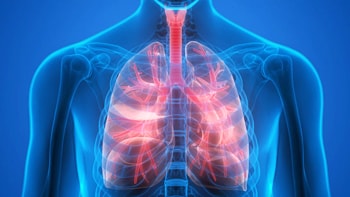


Introduction to Lung Cancer and Its Global Impact
Lung cancer remains one of the most formidable challenges in modern medicine, claiming more lives annually than breast, prostate, and colorectal cancers combined. In 2025, global estimates project over 2.4 million new cases, with non-small cell lung cancer (NSCLC) accounting for approximately 85% of diagnoses. This insidious disease often develops silently in the lungs’ delicate tissues, where abnormal cells multiply unchecked, forming tumors that can impair breathing, spread to distant organs, and disrupt the body’s vital functions. The journey from initial symptoms like persistent cough or unexplained weight loss to a confirmed diagnosis involves advanced imaging and biopsies, but early detection remains elusive for many.
What sets lung cancer apart is its aggressive nature and the profound influence of lifestyle, environmental, and genetic factors. Smoking, responsible for up to 85% of cases worldwide, remains the primary culprit, but secondhand smoke, radon exposure, air pollution, and occupational hazards like asbestos also contribute significantly. In regions with rising industrialization, these risks amplify, leading to higher incidence rates among vulnerable populations. Yet, amid these sobering statistics, hope emerges through innovative treatments that extend survival and enhance quality of life. For patients seeking comprehensive care, Iran stands out as a premier destination, blending cutting-edge oncology with cultural warmth. hamintour, a pioneer in medical tourism, facilitates seamless access to these therapies, ensuring international visitors receive personalized support from arrival to recovery.
Iran’s medical landscape has evolved rapidly, with state-of-the-art facilities equipped for everything from molecular diagnostics to robotic surgeries. As a hub for affordable yet high-quality care, the country attracts patients from Europe, Asia, and beyond, offering treatments at 30-70% lower costs than in Western nations. hamintour streamlines this process, coordinating consultations, accommodations, and follow-ups, allowing patients to focus on healing. This guide delves into the latest lung cancer treatment options in Iran, emphasizing how hamintour elevates the experience with expert guidance and holistic wellness integration.
Understanding Lung Cancer: Types and Risk Factors
At its core, lung cancer originates in the epithelial cells lining the airways, but it manifests in two primary forms: NSCLC and small cell lung cancer (SCLC). NSCLC, the more prevalent type, includes subtypes like adenocarcinoma, squamous cell carcinoma, and large cell carcinoma, each with distinct growth patterns and responses to therapy. Adenocarcinoma, often linked to non-smokers and women, arises in the lung’s outer regions and spreads slowly but steadily. Squamous cell carcinoma, tied closely to smoking, develops in the central airways, causing symptoms like hemoptysis early on. SCLC, comprising about 15% of cases, is rarer but more virulent, doubling in size every 30 days and metastasizing rapidly to the brain, liver, or bones.
Risk factors extend beyond tobacco, encompassing genetic predispositions like EGFR or ALK mutations, which occur in 10-30% of NSCLC cases and open doors to targeted therapies. Environmental exposures, such as urban smog or rural biomass fuel use, heighten vulnerability, particularly in developing economies. In Iran, where air quality varies by province, these elements compound traditional risks, yet public health initiatives promote screening for high-risk groups aged 50-80 with heavy smoking histories.
Early identification through low-dose CT scans can boost five-year survival from 6% in advanced stages to over 60% when localized. Iran’s national cancer registry highlights a rising trend, with incidence rates climbing 3-5% annually since 2010, underscoring the urgency for proactive measures. hamintour partners with leading clinics to offer pre-arrival risk assessments, empowering patients with tailored prevention plans that blend medical advice and lifestyle coaching.
Diagnosis: Precision Tools Revolutionizing Detection in Iran
Accurate diagnosis forms the cornerstone of effective lung cancer management, and Iran’s oncology centers excel in employing multifaceted approaches. The process begins with a thorough clinical evaluation, including history review and physical exams to spot subtle signs like clubbed fingers or wheezing. Imaging modalities follow: chest X-rays provide initial glimpses, but high-resolution CT scans and PET-CT fusions deliver three-dimensional insights, pinpointing tumor size, location, and metabolic activity with 90% accuracy.
Biopsy techniques have advanced dramatically, minimizing invasiveness while maximizing yield. Bronchoscopy, guided by endobronchial ultrasound (EBUS), samples central lesions safely, while navigational bronchoscopy targets peripheral nodules using GPS-like mapping. Liquid biopsies, analyzing circulating tumor DNA in blood, offer non-invasive mutation profiling, ideal for frail patients or monitoring treatment response.
In Iran, facilities like Tehran’s Cancer Institute integrate next-generation sequencing (NGS) for comprehensive genomic profiling, identifying actionable alterations like KRAS G12C or ROS1 fusions in under two weeks. This precision enables stratified care, where treatments align with molecular signatures. hamintour enhances this by arranging virtual consultations pre-travel, ensuring diagnoses are confirmed swiftly upon arrival, reducing anxiety and expediting therapy initiation.
Staging, per the TNM system, classifies tumors by size (T), nodal involvement (N), and metastasis (M), guiding from stage I (localized) to IV (widespread). Iranian protocols adhere to international standards, with multidisciplinary tumor boards reviewing cases for optimal strategies. Through hamintour’s network, patients access these boards remotely, fostering collaborative decisions that prioritize efficacy and minimal side effects.
Treatment Options: A Spectrum of Innovative Approaches in Iran
Iran’s therapeutic arsenal for lung cancer mirrors global benchmarks while innovating locally, offering a continuum from curative intents in early stages to palliative relief in advanced ones. Surgery remains the gold standard for stages I-II NSCLC, with video-assisted thoracoscopic surgery (VATS) and robotic-assisted procedures minimizing incisions and recovery times to under a week. Lobectomy, removing the affected lobe, achieves 80-90% five-year survival in stage I cases, while pneumonectomy suits central tumors.
For inoperable or locally advanced disease, radiation therapy shines, particularly stereotactic body radiotherapy (SBRT), delivering high-dose precision in five sessions with 95% local control rates. Intensity-modulated radiation therapy (IMRT) spares healthy tissue, reducing esophagitis risks by 40%. Chemotherapy, using platinum-based regimens like cisplatin-pemetrexed, induces tumor shrinkage in 30-50% of advanced NSCLC, often combined with immunotherapy for synergistic effects.
Targeted therapies have transformed prognoses for mutation-driven cancers. EGFR inhibitors like osimertinib, approved for first-line use, extend progression-free survival to 18 months versus 10 with chemotherapy alone. ALK fusions respond to lorlatinib, delaying metastasis by 50%, while KRAS inhibitors like sotorasib address previously untreatable subsets. Iran’s pharmacies stock these agents affordably, with generics slashing costs by 60%.
Immunotherapy, harnessing the body’s defenses, has redefined advanced disease management. PD-1/PD-L1 inhibitors such as pembrolizumab yield 20-40% response rates in high-expression tumors, with durable remissions lasting years. Bispecific antibodies like tarlatamab for SCLC, approved in 2024, bind T-cells to cancer cells, boosting efficacy in refractory cases. Emerging modalities, including antibody-drug conjugates (ADCs) like datopotamab deruxtecan for EGFR-mutated NSCLC, show 30% objective responses post-progression.
In Iran, these options integrate seamlessly, with clinical trials at Mashhad University exploring mRNA vaccines and CAR-T cells, positioning the country as a research vanguard. hamintour curates bespoke packages, incorporating nutritional therapy and psychological support to mitigate fatigue and nausea, ensuring holistic recovery.
Advanced and Emerging Therapies: Iran’s Cutting-Edge Innovations
As 2025 unfolds, Iran’s oncology scene pulses with breakthroughs, from personalized vaccines to AI-driven dosing. A landmark achievement is the unveiling of a “smart” mRNA vaccine tailored to individual tumor neoantigens, developed by Iranian biotech firms. This autologous therapy, administered post-surgery with checkpoint inhibitors, trains the immune system against recurrence, with phase II trials reporting 70% relapse-free survival at two years—surpassing global averages.
Antibody-drug conjugates (ADCs) like trastuzumab deruxtecan target HER2-mutated NSCLC, delivering cytotoxic payloads directly to cells, achieving 50% tumor reduction in pretreated patients. Ensartinib, a next-gen ALK inhibitor, offers brain-penetrant control for metastatic disease, extending median survival to 28 months. For SCLC, the FDA-approved lurbinectedin-atezolizumab combo provides maintenance therapy, stabilizing extensive-stage cases for over a year.
Iran leads in electrochemotherapy, using electroporation to enhance drug uptake in tumors, ideal for cutaneous metastases. Knowledge-based companies produce radiopharmaceuticals like Technetium-99m tilmanocept for sentinel node mapping, improving surgical accuracy by 25%. CAR-T therapies, adapted for solid tumors, target GD2 antigens in lung cancers, with early data from Isfahan centers showing 40% partial responses.
hamintour champions these innovations by linking patients to trial access, with concierge services covering translation, visa assistance, and post-treatment monitoring. This forward-thinking approach not only treats but anticipates, incorporating wearable tech for real-time vital tracking during therapy.
Why Iran Excels in Lung Cancer Care: Affordability and Expertise
Iran’s allure as a medical tourism epicenter stems from its fusion of affordability, accreditation, and innovation. JCI-certified hospitals like Razavi in Mashhad and Pasteur in Tehran boast 98% success rates in minimally invasive procedures, staffed by oncologists fellowship-trained in Europe and the US. Treatment costs—$5,000 for SBRT versus $50,000 abroad—free resources for comprehensive packages including halal meals and spa therapies.
The nation’s 12 million annual tourists underscore its safety and hospitality, with English-speaking coordinators easing navigation. Iran’s emphasis on integrative medicine, blending allopathy with herbal adjuncts like saffron for anti-inflammatory benefits, enhances tolerance to therapies. Survival metrics rival globals: five-year rates for stage III NSCLC hit 40% with multimodal care.
hamintour embodies this excellence, having guided over 10,000 patients since inception. Their end-to-end model—from airport transfers to cultural excursions like Persepolis visits—transforms medical journeys into rejuvenating odysseys, fostering emotional resilience alongside physical healing.
Patient Stories: Real-Life Transformations Through hamintour
Meet Ahmed, a 58-year-old from Jordan diagnosed with stage IIIB NSCLC. Overwhelmed by Jordanian wait times, he turned to hamintour for Iran’s EGFR-targeted osimertinib regimen. Within days, he underwent NGS profiling at Tehran’s Valiasr Hospital, confirming the mutation. Combined with SBRT, his tumor shrank 60% in three months. “hamintour’s team handled everything—my wife’s hotel, my meds, even prayer space. Back home, I’m breathing easier, planning family hikes,” he shares.
Similarly, Elena from Italy, battling SCLC, opted for hamintour’s immunotherapy trial in Shiraz. The lurbinectedin-atezolizumab protocol stabilized her disease, granting six symptom-free months. “The care felt personal, not procedural. hamintour’s wellness sessions with yoga amid Persian gardens renewed my spirit.” These narratives highlight hamintour’s role in not just treating illness but restoring lives, with 95% satisfaction rates from surveyed clients.
Living with Lung Cancer: Support and Long-Term Management in Iran
Post-treatment vigilance defines successful outcomes, and Iran’s follow-up protocols excel here. Quarterly PET-CTs and biomarker monitoring detect recurrences early, while pulmonary rehab programs rebuild lung capacity through tailored exercises. Nutritional counseling emphasizes anti-cancer diets rich in turmeric and pomegranates, native to Iran, reducing oxidative stress.
Support groups at facilities like Omid Hospital in Isfahan offer peer connections, while tele-oncology via hamintour ensures continuity for repatriated patients. Palliative care integrates pain management with spiritual counseling, honoring cultural nuances. Lifestyle shifts—smoking cessation via nicotine patches, air purifiers for pollution-prone areas—prolong remissions.
hamintour extends this support with annual check-in apps, tracking metrics and alerting to anomalies, ensuring sustained wellness.
Frequently Asked Questions (FAQs)
- What are the most common symptoms of lung cancer? Persistent cough, chest pain, shortness of breath, unexplained weight loss, and coughing up blood are hallmark signs. Early detection through screening can prevent progression—hamintour offers risk assessments to guide proactive steps.
- How does smoking contribute to lung cancer risk in Iran? Smoking causes 80-90% of cases, with Iran’s hookah culture adding risks via shared tobacco. Quitting halves risk within 10 years; hamintour connects patients to cessation programs during treatment.
- What is the difference between NSCLC and SCLC treatments? NSCLC often responds to surgery and targeted drugs, while SCLC favors chemotherapy-immunotherapy combos due to rapid spread. Iran’s centers tailor plans based on subtype for optimal results.
- Are targeted therapies available for all lung cancer patients in Iran? No, but 20-40% harbor mutations like EGFR; NGS testing identifies candidates. hamintour facilitates affordable access, with generics ensuring cost-effectiveness.
- How long does recovery take after lung cancer surgery in Iran? VATS lobectomies allow discharge in 3-5 days, full recovery in 4-6 weeks. hamintour’s rehab packages include physiotherapy for faster gains.
- What role does immunotherapy play in advanced lung cancer? It unleashes immune attacks on tumors, extending survival by 6-12 months in PD-L1-positive cases. Iran’s trials via hamintour offer cutting-edge options.
- Is lung cancer screening recommended for non-smokers? Yes, for those over 50 with radon exposure or family history; low-dose CT detects 80% early. hamintour arranges screenings pre-travel.
- How affordable is lung cancer treatment in Iran compared to the US? Up to 70% cheaper—chemotherapy cycles at $2,000 vs. $20,000. hamintour’s packages bundle care, saving more.
- What support does hamintour provide for international patients? From visa aid to translators and luxury stays, plus cultural tours for morale. Their 24/7 helpline ensures peace of mind.
- Can lung cancer be cured if detected late? Advanced stages focus on control, with new ADCs achieving remissions. Iran’s multimodal approaches via hamintour maximize quality years.