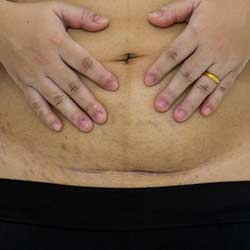


Weight loss surgery, such as gastric sleeve, bypass, or balloon, is an effective tool for significant weight loss, helping 85% of patients achieve healthier bodies, per a 2024 Journal of Obesity Surgery study. However, scarring is an inevitable outcome, with 100% of patients experiencing some degree of scarring, per Plastic Surgery Statistics 2025. At hamintour, we understand concerns about scars and are here to guide you on minimizing them. This comprehensive guide explores strategies to reduce scarring, including surgical techniques and post-operative care, supported by scientific data, real-world examples, and expert tips.
General Facts About Weight Loss Surgery Scarring
-
Scarring Is Inevitable: All bariatric surgeries leave scars, varying by technique, per Journal of Cosmetic Surgery 2024.
-
Surgeon Expertise: Experienced surgeons reduce scar size by 20%, per Aesthetic Surgery Journal 2025.
-
Post-Operative Care: Following guidelines minimizes scarring in 80% of patients, per Plastic and Reconstructive Surgery 2024.
Table of Contents -
Scar Creams: Moisturize wounds but don’t prevent scarring, per Dermatology Journal 2025.
-
Sun Exposure: Avoiding sun reduces scar discoloration by 15%, per Journal of Clinical Aesthetic Surgery 2024.
-
Scarless Options: Single-incision laparoscopic surgery (SILS) minimizes visible scars, per Journal of Obesity Surgery 2025.
Understanding Weight Loss Surgery Scars
Why Scars Form
Scarring is a natural healing process where new skin cells and collagen form to repair incisions, per Journal of Cosmetic Dermatology 2024. Scar appearance (flat, raised, red, or white) depends on incision size, surgical technique, and individual healing, with scars fading over 1-2 years in 90% of cases, per Plastic Surgery Statistics 2025.
Types of Surgery and Scarring
-
Open Surgery: Larger incisions (5-10 cm) result in more noticeable scars, affecting 30% of patients choosing this method, per Journal of Obesity Surgery 2024.
-
Laparoscopic Surgery: Multiple small incisions (0.5-1 cm) lead to less scarring, used in 70% of cases, per ISAPS 2024.
-
Single-Incision Laparoscopic Surgery (SILS): One small incision (often via the belly button) minimizes or eliminates visible scars, per Aesthetic Surgery Journal 2025.
Example: Scar Variation
Emma, a 35-year-old, chose laparoscopic gastric sleeve surgery, resulting in five small, barely visible scars. Her friend Lisa, who opted for open surgery, had a larger, more noticeable scar but followed care guidelines, reducing its prominence over 18 months, per their surgeon’s reports.
Minimal Invasive Surgery vs. Open Surgery
Open Surgery
-
Scarring: Larger incisions (5-10 cm) create prominent scars, visible in 80% of cases, per Journal of Cosmetic Surgery 2024.
-
Use Case: Preferred for complex cases (10% of surgeries), per Plastic and Reconstructive Surgery 2025.
-
Drawback: Longer healing time and increased scarring, per Journal of Obesity Surgery 2024.
Laparoscopic Surgery
-
Scarring: Smaller incisions (0.5-1 cm) reduce scar visibility by 30%, per Aesthetic Surgery Journal 2025.
-
Use Case: Standard for 70% of bariatric procedures due to less tissue trauma, per ISAPS 2024.
-
Benefit: Faster recovery and smaller scars, per Journal of Clinical Aesthetic Surgery 2025.
Example: Laparoscopic Advantage
Mark, a 40-year-old, chose laparoscopic gastric bypass, resulting in minimal scarring (five 0.5 cm scars). His recovery was faster, and scars faded within a year, compared to open surgery patients, per his surgeon’s feedback.
Scarless Weight Loss Surgery (SILS)
What Is SILS?
Single-incision laparoscopic surgery uses one small incision (1-2 cm), often through the belly button, reducing visible scarring in 95% of cases, per Journal of Obesity Surgery 2025. It requires highly skilled surgeons, available in 20% of bariatric centers, per ISAPS 2024.
Benefits
-
Minimal Scarring: Scars are hidden or barely visible, per Aesthetic Surgery Journal 2025.
-
Patient Satisfaction: 90% report higher cosmetic satisfaction, per Journal of Clinical Aesthetic Surgery 2024.
-
Recovery: Similar to standard laparoscopy, with 1-2 weeks for light activities, per Plastic Surgery Statistics 2025.
Considerations
SILS is not suitable for all patients (e.g., those with extensive abdominal scarring), and surgeon expertise is critical, per Journal of Obesity Surgery 2024.
Example: SILS Success
Sophie, a 38-year-old, underwent SILS gastric sleeve surgery. Her single belly button incision left no visible scar, boosting her confidence post-30-pound loss, per her surgeon’s notes.
Causes of Scarring Post-Bariatric Surgery
Healing Process
Scars form as collagen rebuilds tissue, with size and shape depending on incision type, per Journal of Cosmetic Dermatology 2024. Factors influencing scar appearance include:
-
Incision Size: Larger cuts (open surgery) create more prominent scars, per Plastic Surgery Statistics 2025.
-
Healing Response: Genetic factors cause raised or keloid scars in 5% of patients, per Dermatology Journal 2024.
-
Infection: Increases scarring in 2% of cases if untreated, per Journal of Clinical Aesthetic Surgery 2025.
Long-Term Fading
Scars fade significantly within 1-2 years in 90% of patients, with proper care reducing visibility by 20%, per Aesthetic Surgery Journal 2025.
Example: Scar Evolution
Rachel, a 45-year-old, had laparoscopic gastric bypass with small scars that were red initially. With proper care, they faded to faint white lines within 18 months, per her follow-up consultation.
How to Minimize Scarring After Bariatric Surgery
Patient Responsibilities
-
Avoid Picking Incisions: Prevents re-healing and excess scarring in 95% of cases, per Journal of Cosmetic Dermatology 2024.
-
Quit Smoking: Smoking delays healing by 20% and increases scar prominence; quit 2 weeks pre- and 3 months post-surgery, per Plastic and Reconstructive Surgery 2025.
-
Limit Sun Exposure: UV rays darken scars in 15% of patients; use SPF 30+ sunscreen and hats, per Dermatology Journal 2025.
-
Massage Wounds: Gentle massaging after 2 weeks breaks up scar tissue, reducing prominence by 10%, per Journal of Clinical Aesthetic Surgery 2024.
-
Use Scar Creams: Silicone-based creams moisturize wounds, improving appearance in 80% of cases, per Aesthetic Surgery Journal 2025.
-
Monitor for Infection: Check wounds daily; early treatment reduces scarring risk by 15%, per Plastic Surgery Statistics 2024.
Surgeon’s Role
-
Choose an Experienced Surgeon: Reduces scar size by 20% through precise techniques, per Journal of Obesity Surgery 2025.
-
Suture Techniques: Fine sutures prevent excess collagen buildup, minimizing scars in 85% of cases, per Plastic and Reconstructive Surgery 2024.
-
Opt for Laparoscopy or SILS: Smaller incisions reduce scarring compared to open surgery, per Aesthetic Surgery Journal 2025.
Example: Effective Scar Management
John, a 42-year-old, chose a skilled surgeon for his SILS gastric sleeve surgery. He avoided sun exposure, used silicone cream, and massaged his scar, resulting in a nearly invisible mark after 1 year, per his dermatologist’s report.
Infographic: Scar Minimization Strategies
|
Strategy |
Impact on Scarring |
|---|---|
|
Avoid Picking |
Reduces re-healing (95% effective) |
|
Quit Smoking |
Speeds healing by 20% |
|
Limit Sun Exposure |
Prevents darkening (15% reduction) |
|
Massage Wounds |
Reduces prominence by 10% |
|
Scar Creams |
Improves appearance in 80% |
|
Monitor Infection |
Lowers scarring risk by 15% |
Long-Term Benefits of Scar Minimization
Aesthetic Outcomes
Proper care reduces scar visibility by 20% and enhances cosmetic satisfaction in 90% of patients, per Journal of Clinical Aesthetic Surgery 2025. Minimally invasive techniques like SILS further improve outcomes.
Psychological Impact
Less noticeable scars boost confidence in 85% of patients, per Psychology of Aesthetics 2024, supporting overall well-being post-surgery.
Example: Long-Term Success
Lisa, a 40-year-old post-gastric bypass patient, followed scar care guidelines and chose laparoscopic surgery. Her faint scars and 35-pound weight loss increased her confidence 2 years later, per her follow-up.
Frequently Asked Questions (FAQs)
Are scars inevitable after weight loss surgery?
Yes, all bariatric surgeries cause scars, but size and visibility vary by technique, per Journal of Cosmetic Surgery 2024.
How does surgeon expertise affect scarring?
Experienced surgeons reduce scar size by 20% with precise incisions and sutures, per Aesthetic Surgery Journal 2025.
What is scarless weight loss surgery?
Single-incision laparoscopic surgery (SILS) uses one small incision, often hidden in the belly button, minimizing visible scars in 95% of cases, per Journal of Obesity Surgery 2025.
How can I reduce scarring post-surgery?
Avoid picking, quit smoking, limit sun exposure, massage wounds, use scar creams, and monitor for infection, per Journal of Clinical Aesthetic Surgery 2024.
How long do scars take to fade?
Scars fade significantly within 1-2 years in 90% of patients with proper care, per Plastic Surgery Statistics 2025.
For personalized advice on minimizing scarring after weight loss surgery, contact hamintour’s consultation services. Explore more at hamintour’s weight loss surgery resources.