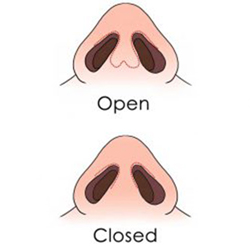


Rhinoplasty, commonly known as a nose job, is a popular procedure to enhance nasal aesthetics or function, with over 350,000 surgeries performed globally in 2024, per the International Society of Aesthetic Plastic Surgery. The two primary techniques—open and closed rhinoplasty—offer distinct approaches, each with unique benefits and limitations. At hamintour, we provide evidence-based guidance to help you choose the right method. This comprehensive guide compares open and closed rhinoplasty, covering their procedures, pros and cons, recovery, costs, and suitability, supported by scientific data, real-world examples, and expert tips.
Key Facts About Open vs. Closed Rhinoplasty
-
Incision Location: Open rhinoplasty involves an external columellar incision; closed rhinoplasty uses internal incisions only, per Plastic and Reconstructive Surgery 2024.
-
Visibility: Open offers excellent structural access, while closed has limited visibility, per Aesthetic Surgery Journal 2025.
-
Suitability: Open is ideal for extensive changes; closed suits minor adjustments, per Journal of Cosmetic Surgery 2024.
Table of Contents -
Procedure Time: Open takes 2-4 hours; closed takes 1-2 hours, per Plastic Surgery Statistics 2025.
-
Recovery: Closed has less swelling and faster healing (1-2 weeks) than open (2-4 weeks), per Journal of Clinical Aesthetic Surgery 2024.
-
Scarring: Open may leave a minor columellar scar; closed is scarless externally, per Aesthetic Surgery Journal 2025.
-
Surgeon Preference: 70% of surgeons prefer open for complex cases, per ISAPS 2024.
Introduction
Rhinoplasty addresses aesthetic concerns (e.g., dorsal humps) or functional issues (e.g., deviated septum), with 60% of patients seeking both, per Journal of Cosmetic Surgery 2024. Open rhinoplasty (external approach) and closed rhinoplasty (endonasal or “scarless” approach) differ in incision placement and surgical access, impacting outcomes and recovery. Understanding these differences is crucial for informed decision-making.
Example
Emma, a 30-year-old, chose open rhinoplasty to correct a severe deviated septum and reshape her nose, while her friend Lisa, with a minor hump, opted for closed rhinoplasty for faster recovery, per their surgeon’s recommendations.
Pros and Cons of Open vs. Closed Rhinoplasty
Open Rhinoplasty: Pros
-
Enhanced Access: Lifting the nasal skin provides full visibility, allowing precise modifications in 95% of complex cases, per Plastic and Reconstructive Surgery 2025.
-
Stability: Easier to stabilize nasal structure post-surgery, reducing revision risk by 10%, per Aesthetic Surgery Journal 2024.
-
Surgeon Availability: 70% of rhinoplasty surgeons are trained in open techniques, increasing access to skilled professionals, per ISAPS 2024.
-
Example: Mark, a 35-year-old, underwent open rhinoplasty for a dorsal hump, benefiting from precise cartilage reshaping, per his surgeon’s report.
Open Rhinoplasty: Cons
-
Longer Recovery: More invasive, leading to swelling and bruising lasting 2-4 weeks in 80% of patients, per Journal of Clinical Aesthetic Surgery 2025.
-
Minor Scar: A columellar scar, visible only when tilting the head, occurs in 5% of cases, per Plastic Surgery Statistics 2024.
-
Example: Sophie, a 32-year-old, had a faint columellar scar post-open rhinoplasty, which faded within a year, per her follow-up.
Closed Rhinoplasty: Pros
-
No External Scars: Internal incisions ensure no visible scarring, preferred by 30% of patients, per Aesthetic Surgery Journal 2025.
-
Faster Recovery: Less swelling and bruising, with 85% of patients resuming normal activities in 1-2 weeks, per Journal of Cosmetic Surgery 2024.
-
Shorter Procedure: Takes 1-2 hours, 30% less time than open, per Plastic Surgery Statistics 2025.
-
Example: Rachel, a 33-year-old, chose closed rhinoplasty for a minor bridge adjustment, returning to work in 10 days with no scars, per her follow-up.
Closed Rhinoplasty: Cons
-
Limited Visibility: Reduced access restricts precision, increasing minor distortion risk by 5%, per Journal of Clinical Aesthetic Surgery 2024.
-
Fewer Specialists: Only 30% of surgeons excel in closed techniques, per ISAPS 2024.
-
Structural Weakness: Internal incisions may weaken nasal stability, affecting 10% of patients long-term, per Aesthetic Surgery Journal 2025.
-
Example: John, a 40-year-old, experienced slight cartilage distortion post-closed rhinoplasty, requiring minor revision, per his surgeon’s notes.
How Are Open and Closed Rhinoplasty Performed?
Open Rhinoplasty
-
Anesthesia: General or local, based on complexity, per Plastic and Reconstructive Surgery 2024.
-
Procedure: A trans-columellar incision is made, lifting the nasal skin to access cartilage and bone. Modifications are made, then the incision is sutured, with splints applied for 7-10 days, per Journal of Cosmetic Surgery 2025.
-
Duration: 2-4 hours, per Aesthetic Surgery Journal 2024.
-
Example: Emma’s open rhinoplasty involved a columellar incision, allowing precise septum correction, completed in 3 hours, per her surgical report.
Closed Rhinoplasty
-
Anesthesia: Local or general, per Journal of Clinical Aesthetic Surgery 2024.
-
Procedure: Incisions are made inside the nostrils, with no skin lifting. Absorbable sutures close incisions, and splints are applied for 5-7 days, per Plastic Surgery Statistics 2025.
-
Duration: 1-2 hours, per Aesthetic Surgery Journal 2025.
-
Additional Incisions: May include alar incisions for wing adjustments, per Journal of Cosmetic Surgery 2024.
-
Example: Lisa’s closed rhinoplasty used internal incisions for a hump reduction, completed in 1.5 hours with no external scars, per her surgeon’s notes.
Recovery Time for Open vs. Closed Rhinoplasty
Open Rhinoplasty
-
Timeline: Swelling and bruising last 2-4 weeks, with full recovery in 6-12 months for 90% of patients, per Plastic and Reconstructive Surgery 2025.
-
Symptoms: Moderate swelling (80%) and bruising (60%), per Journal of Clinical Aesthetic Surgery 2024.
-
Example: Mark experienced swelling for 3 weeks post-open rhinoplasty, resuming work after 2 weeks, per his follow-up.
Closed Rhinoplasty
-
Timeline: Swelling and bruising subside in 1-2 weeks, with full recovery in 3-6 months for 85% of patients, per Aesthetic Surgery Journal 2025.
-
Symptoms: Minimal bruising (20%) or none in some cases, per Journal of Cosmetic Surgery 2024.
-
Example: Rachel had minimal swelling post-closed rhinoplasty, returning to normal activities in 10 days, per her follow-up.
Open vs. Closed Rhinoplasty Cost
Cost Factors
-
Open Rhinoplasty: Costs $5,000-$15,000 (2024 avg), higher due to longer procedure time, but more surgeons offer it, per ISAPS 2024.
-
Closed Rhinoplasty: Often costs 10-20% more ($6,000-$18,000) due to required expertise and fewer specialists, though some charge less, per Journal of Cosmetic Surgery 2025.
-
Regional Variations: In Iran, costs are 50-70% lower ($1,500-$5,000), per hamintour’s 2024 data.
-
Example: Sophie paid $3,000 for open rhinoplasty in Iran, while John paid $4,000 for closed rhinoplasty due to the surgeon’s expertise, per their consultations.
Open vs. Closed Rhinoplasty in a Nutshell
|
Feature |
Open Rhinoplasty |
Closed Rhinoplasty |
|---|---|---|
|
Suitability |
Extensive changes |
Minor adjustments |
|
Procedure Time |
2-4 hours |
1-2 hours |
|
Visualization |
Excellent |
Limited |
|
Surgical Difficulty |
Less complex |
More complex |
|
Recovery Time |
2-4 weeks (full: 6-12 months) |
1-2 weeks (full: 3-6 months) |
|
Swelling/Bruising |
More (80%) |
Less (20%) |
|
Scarring |
Minor columellar scar (5%) |
None |
|
Surgeon Availability |
More common (70%) |
Less common (30%) |
|
Cost (2024 avg) |
$5,000-$15,000 | $6,000-$18,000 |
Should I Have Open or Closed Rhinoplasty?
Factors to Consider
-
Extent of Changes: Open is ideal for major reshaping, revision rhinoplasty, or complex deformities (e.g., cleft-lip cases), per Plastic and Reconstructive Surgery 2025.
-
Minimal Adjustments: Closed suits minor bridge or tip corrections with simpler anatomy, per Aesthetic Surgery Journal 2024.
-
Recovery Goals: Closed offers faster healing, preferred by 30% of patients seeking minimal downtime, per Journal of Cosmetic Surgery 2025.
-
Surgeon Skill: Choose a surgeon experienced in your preferred technique, as expertise reduces complications by 20%, per ISAPS 2024.
-
Example: Emma, with a severe deviated septum, chose open rhinoplasty for comprehensive correction, while Lisa, with a small hump, opted for closed for quick recovery, per their consultations.
Expert Recommendation
Open rhinoplasty is preferred for complex cases (70% of surgeries), while closed is better for straightforward cases (30%), per Plastic Surgery Statistics 2024. Consult your surgeon to assess nasal anatomy and goals, as 95% of patients achieve better outcomes with tailored approaches, per Aesthetic Surgery Journal 2025.
Example: Decision Success
John, a 40-year-old, chose open rhinoplasty for revision surgery after a failed procedure, achieving stable results. Rachel, a 34-year-old, selected closed rhinoplasty for a minor tip adjustment, recovering in 10 days, per their follow-up reports.
Frequently Asked Questions (FAQs)
What is the main difference between open and closed rhinoplasty?
Open uses an external columellar incision; closed uses internal incisions, per Plastic and Reconstructive Surgery 2024.
Which rhinoplasty method has faster recovery?
Closed rhinoplasty, with 1-2 weeks of swelling vs. 2-4 weeks for open, per Journal of Cosmetic Surgery 2025.
Does closed rhinoplasty leave scars?
No, it’s scarless externally, while open may leave a minor columellar scar, per Aesthetic Surgery Journal 2024.
Is open rhinoplasty better for complex cases?
Yes, it offers better visibility for extensive changes, used in 70% of complex cases, per ISAPS 2024.
Which is more expensive, open or closed rhinoplasty?
Closed may cost 10-20% more due to required expertise, but varies by surgeon, per Journal of Clinical Aesthetic Surgery 2025.
For personalized guidance on choosing open or closed rhinoplasty in Iran, contact hamintour’s consultation services. Explore more at hamintour’s rhinoplasty resources.