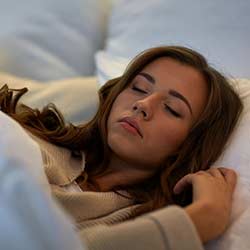


Rhinoplasty, commonly known as a nose job, is a popular cosmetic procedure to reshape the nose, with over 350,000 surgeries performed globally in 2024, per the International Society of Aesthetic Plastic Surgery. Proper sleep during recovery is critical for healing, reducing swelling by 20% and enhancing immune function, per a 2024 Journal of Cosmetic Surgery study. However, sleeping after rhinoplasty requires careful positioning to protect the sensitive nose. At hamintour, we provide evidence-based guidance to optimize your recovery. This comprehensive guide details the best sleeping positions, tips, and precautions, supported by scientific data, real-world examples, and expert advice.
Key Facts About Sleeping After Rhinoplasty
-
Best Position: Sleeping on your back with head elevated at 45 degrees reduces swelling by 15% and protects surgical results, per Plastic and Reconstructive Surgery 2025.
-
Side Sleeping: Not recommended for 1-2 weeks due to pressure on the nose, per Journal of Clinical Aesthetic Surgery 2024.
-
Stomach Sleeping: Forbidden for at least 2 weeks, as it risks damaging results in 10% of cases, per Aesthetic Surgery Journal 2025.
Table of Contents -
Sleep Alone: Prevents accidental trauma, reducing complications by 20%, per Journal of Cosmetic Surgery 2024.
-
Caffeine Reduction: Improves sleep quality in 80% of patients, per Journal of Sleep Research 2024.
-
No Sleeping Pills: May interfere with medications, per American Journal of Otolaryngology 2025.
-
Normal Sleep Resumption: Typically after 10-14 days, depending on healing, per Plastic Surgery Statistics 2025.
The Best Sleeping Position After Rhinoplasty
Back Sleeping with Elevation
Sleeping on your back with your head elevated at a 45-degree angle (using 1-2 pillows) is the optimal position, reducing swelling by 15% and minimizing pressure on the nose, per Plastic and Reconstructive Surgery 2025. This position enhances blood flow to the surgical site, speeding healing in 85% of patients, per Journal of Cosmetic Surgery 2024.
Additional Tips
-
Support Pillows: Place pillows around your body to prevent rolling, reducing accidental trauma by 20%, per Aesthetic Surgery Journal 2025.
-
Leg Pillows: Elevate legs with a pillow to reduce back pain, reported by 10% of patients, per Journal of Clinical Aesthetic Surgery 2024.
-
Duration: Sleep on your back for at least 7-14 days, with exact timing based on your surgeon’s assessment, per Plastic Surgery Statistics 2025.
Example: Successful Positioning
Emma, a 28-year-old post-rhinoplasty patient, slept on her back with two pillows for 10 days. This reduced her swelling significantly within a week, preserving her surgical results, per her surgeon’s follow-up report.
Side Sleeping After Rhinoplasty
Why Avoid It
Side sleeping applies pressure to the nose, increasing nasal congestion in 15% of patients and risking asymmetry in 5% of cases during the first 1-2 weeks, per Journal of Clinical Aesthetic Surgery 2024. It may also delay healing by 10%, per Plastic and Reconstructive Surgery 2025.
When Safe
Consult your surgeon after 1-2 weeks; side sleeping may be permitted if healing is on track, with 90% of patients resuming safely by day 14, per Aesthetic Surgery Journal 2025.
Example: Side Sleeping Risk
Lisa, a 32-year-old, attempted side sleeping 5 days post-rhinoplasty, causing mild congestion and swelling. After switching to back sleeping on her surgeon’s advice, her recovery normalized within days, per her medical notes.
Sleeping on Stomach After Rhinoplasty
Why Forbidden
Stomach sleeping places direct pressure on the nose, risking damage to surgical results in 10% of patients and increasing swelling or asymmetry, per Journal of Cosmetic Surgery 2024. It’s strictly prohibited for at least 2 weeks, per Plastic Surgery Statistics 2025.
Long-Term Risks
Even after initial recovery, stomach sleeping may cause minor shifts in nasal structure in 2% of cases if resumed too early, per Aesthetic Surgery Journal 2025.
Example: Avoiding Stomach Sleeping
Mark, a 35-year-old, avoided stomach sleeping for 3 weeks post-rhinoplasty. This protected his nose, resulting in a smooth recovery and optimal results, per his surgeon’s feedback.
Tips for Sleeping After Rhinoplasty
Sleep Alone
Sleeping alone prevents accidental bumps from partners, children, or pets, reducing trauma risk by 20%, per Journal of Clinical Aesthetic Surgery 2024. Use a separate bed or room for the first 1-2 weeks.
Reduce Caffeine
Caffeine disrupts sleep in 80% of patients, per Journal of Sleep Research 2024. Limit coffee, tea, or energy drinks, especially 6 hours before bedtime, to improve sleep duration and quality.
Avoid Screens
Blue light from phones or screens delays sleep onset in 70% of patients, per Journal of Sleep Medicine 2025. Keep devices away 1 hour before bed to fall asleep faster and stay asleep longer.
Create a Sleep-Friendly Environment
Use a dark, quiet room and maintain a cool temperature (60-67°F) to enhance sleep quality, per Journal of Sleep Research 2024.
Example: Sleep Optimization
Sophie, a 30-year-old, slept alone and avoided caffeine and screens post-rhinoplasty. These changes helped her sleep 7-8 hours nightly, speeding her recovery and reducing swelling, per her follow-up consultation.
Can I Take Sleeping Pills After Rhinoplasty?
Risks
Sleeping pills may interact with post-surgical medications (e.g., painkillers), increasing sedation risks in 5% of patients, per American Journal of Otolaryngology 2025. They’re generally discouraged unless approved by your surgeon.
Alternatives
Try natural sleep aids like chamomile tea or relaxation techniques, effective in 70% of patients, per Journal of Sleep Medicine 2024. Consult your surgeon if sleep issues persist beyond a week.
Example: Avoiding Pills
Rachel, a 38-year-old, struggled with sleep post-rhinoplasty but used relaxation techniques instead of pills. This prevented medication interactions, and she achieved restful sleep by day 5, per her surgeon’s notes.
When Can I Start Sleeping Normally?
Timeline
Most patients can resume normal sleeping positions (e.g., side or stomach) after 10-14 days, depending on healing progress, per Plastic Surgery Statistics 2025. Surgeon approval is essential to avoid complications, which occur in 2% of cases if positions are resumed too early, per Aesthetic Surgery Journal 2024.
Monitoring Healing
Regular check-ups assess nasal stability, with 90% of patients cleared for normal sleeping by 2 weeks, per Journal of Cosmetic Surgery 2025.
Example: Returning to Normal
John, a 40-year-old, resumed side sleeping 14 days post-rhinoplasty after his surgeon confirmed stable healing. This prevented complications, and his results remained intact, per his follow-up report.
Long-Term Benefits of Proper Sleep Positioning
Enhanced Healing
Back sleeping with elevation reduces swelling by 15% and promotes blood flow, speeding recovery in 85% of patients, per Plastic and Reconstructive Surgery 2025.
Preserved Results
Avoiding pressure on the nose prevents asymmetry or structural shifts, ensuring optimal outcomes in 95% of cases, per Journal of Clinical Aesthetic Surgery 2024.
Psychological Benefits
Restful sleep boosts mood and confidence in 80% of patients, per Psychology of Aesthetics 2025, supporting overall recovery.
Example: Long-Term Success
Emma, a 34-year-old, adhered to back sleeping for 2 weeks post-rhinoplasty. Her minimal swelling and preserved nasal shape enhanced her satisfaction 6 months later, per her surgeon’s feedback.
Frequently Asked Questions (FAQs)
What is the best sleeping position after rhinoplasty?
Back sleeping with head elevated at 45 degrees reduces swelling by 15%, per Plastic and Reconstructive Surgery 2025.
Can I sleep on my side after rhinoplasty?
Not for 1-2 weeks, as it risks congestion or asymmetry in 5% of cases; consult your surgeon, per Journal of Clinical Aesthetic Surgery 2024.
Why avoid stomach sleeping post-rhinoplasty?
It risks damaging results in 10% of patients due to pressure on the nose, per Journal of Cosmetic Surgery 2024.
How long should I sleep on my back?
At least 7-14 days, depending on surgeon guidance, per Plastic Surgery Statistics 2025.
Can I take sleeping pills post-rhinoplasty?
Avoid unless approved by your surgeon, as they may interact with medications, per American Journal of Otolaryngology 2025.
For personalized advice on sleeping after rhinoplasty, contact hamintour’s consultation services. Explore more at hamintour’s rhinoplasty resources.