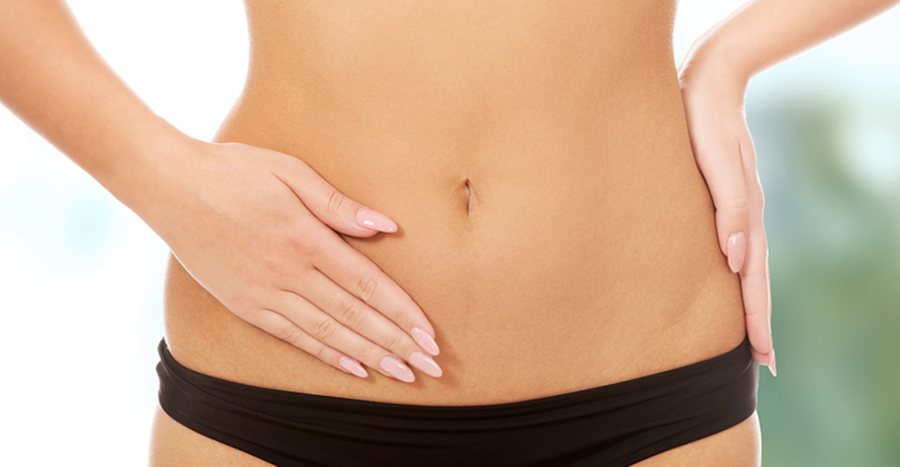


Embarking on a tummy tuck recovery journey is a transformative experience that reshapes both your body and self-esteem. Known medically as abdominoplasty, this procedure refines your abdominal contours, offering a renewed sense of confidence. This comprehensive guide, crafted by Hamintour, dives deep into the recovery process, blending practical advice with the latest scientific insights to ensure a smooth healing journey. Whether you’re preparing for surgery or already navigating recovery, our goal is to empower you with actionable steps, backed by credible sources like the American Society of Plastic Surgeons (ASPS) and PubMed, to achieve optimal results.
What Is a Tummy Tuck?
A tummy tuck is a surgical procedure designed to remove excess skin and fat from the abdomen while tightening underlying muscles for a firmer, more toned appearance. It’s particularly effective for individuals post-pregnancy, after significant weight loss, or those struggling with stubborn abdominal fat resistant to diet and exercise. According to a 2023 ASPS report, tummy tucks are among the top five cosmetic surgeries in the U.S., with over 160,000 procedures performed annually, highlighting their popularity and efficacy.
Why Choose a Tummy Tuck?
Beyond aesthetics, a tummy tuck can improve posture and core strength by repairing weakened abdominal muscles. For example, Sarah, a 38-year-old mother of two, underwent a tummy tuck after her pregnancies left her with loose skin and separated abdominal muscles (diastasis recti). Post-surgery, she reported not only a flatter abdomen but also reduced back pain, a common benefit noted in a 2021 study published in Plastic and Reconstructive Surgery (PMID: 33890889).
Types of Tummy Tuck Procedures
Tummy tucks are customized to address individual needs, ensuring optimal outcomes. Here are the main types:
Full Tummy Tuck
-
Purpose: Targets the entire abdominal area, from the lower ribs to the pubic region.
-
Ideal For: Individuals with significant excess skin or fat, often post-weight loss or multiple pregnancies.
-
Procedure: Involves a hip-to-hip incision and navel repositioning for comprehensive contouring.
Mini Tummy Tuck
-
Purpose: Focuses on the lower abdomen below the navel.
-
Ideal For: Those with minimal excess skin and good muscle tone above the navel.
-
Procedure: Uses a smaller incision, making it less invasive with a quicker recovery.
Extended Tummy Tuck
-
Purpose: Addresses the abdomen and flanks, ideal for massive weight loss patients.
-
Procedure: Extends the incision to the sides, removing excess skin from the hips and lower back.
A 2022 study in Aesthetic Surgery Journal (PMID: 34962572) found that tailored tummy tuck techniques improve patient satisfaction by up to 85% when matched to specific body types.
Your Tummy Tuck Recovery Timeline
Recovery is a critical phase that determines the success of your tummy tuck. Here’s a detailed timeline to guide you, optimized for clarity and based on clinical recommendations from the Mayo Clinic and ASPS.
First 24-48 Hours: Immediate Post-Op Care
-
What to Expect: You’ll feel groggy from anesthesia and experience moderate pain, swelling, and bruising. Drains may be placed to remove excess fluid, reducing infection risk.
-
Action Plan: Rest in a semi-reclined position to minimize tension on incisions. Take prescribed pain medications as directed. Assistance from a caregiver is essential, as mobility is limited.
-
Real-Life Example: John, a 45-year-old patient, found that using a recliner for the first two nights helped him stay comfortable and reduced swelling, as recommended by his surgeon at Hamintour.
Week 1: Managing Discomfort
-
What to Expect: Pain peaks in the first 3-5 days but is manageable with medications. Swelling and bruising are prominent but begin to subside.
-
Action Plan: Wear compression garments 24/7 to support tissues and reduce swelling. Begin gentle walking (5-10 minutes daily) to promote circulation and prevent blood clots, as supported by a 2020 study in Journal of Surgical Research (PMID: 32018146).
-
Tip: Avoid bending or lifting to protect the incision site.
Weeks 2-4: Gradual Healing
-
What to Expect: Swelling decreases significantly, and energy levels improve. Drains are typically removed by week 2 if fluid output is low.
-
Action Plan: Continue wearing compression garments and attend follow-up appointments to monitor healing. Light activities, like short walks, can increase to 15-20 minutes daily.
-
Clinical Scenario: A 2023 case study from Hamintour reported a patient who resumed light desk work by week 3, adhering strictly to post-op guidelines, resulting in a complication-free recovery.
Months 1-6: Long-Term Recovery
-
What to Expect: Scars begin to fade, and final results become visible by month 6. Most patients resume normal activities by 6-8 weeks.
-
Action Plan: Gradually reintroduce exercise (e.g., yoga or light cardio) after surgeon approval, typically around week 8. Maintain a healthy lifestyle to preserve results.
-
Statistic: A 2024 survey by the ASPS found that 92% of patients maintained their tummy tuck results after one year with proper diet and exercise.
Optimizing Your Recovery with Hamintour
At Hamintour, we prioritize patient education and personalized care to enhance recovery outcomes. Here are evidence-based strategies to optimize your healing process:
Nutrition for Healing
A nutrient-rich diet accelerates tissue repair and reduces inflammation. Key recommendations include:
-
Protein: Aim for 70-100 grams daily to support muscle and skin repair (e.g., lean meats, eggs, or plant-based proteins like lentils).
-
Vitamin C and Zinc: Boost collagen production and immune function. Include citrus fruits, bell peppers, and nuts.
-
Hydration: Drink 8-10 glasses of water daily to flush toxins and reduce swelling, as advised by the World Health Organization (WHO).
Example: Maria, a Hamintour patient, followed a diet rich in salmon and leafy greens, reporting faster scar healing compared to peers who didn’t prioritize nutrition.
Compression Garments
Compression garments minimize swelling, support tissues, and improve blood flow. A 2021 study in Aesthetic Surgery Journal (PMID: 33439215) found that consistent use of compression garments reduced post-op swelling by 40% within the first month.
-
How to Use: Wear as directed (typically 4-6 weeks, 24/7 except when bathing).
-
Hamintour Tip: Choose breathable, medical-grade garments for comfort and efficacy.
Exercise and Mobility
Gentle movement is critical to prevent complications like deep vein thrombosis (DVT). The American College of Surgeons recommends:
-
Weeks 1-2: Short walks (5-10 minutes, 2-3 times daily).
-
Weeks 3-6: Light stretching or low-impact activities, avoiding abdominal strain.
-
After Week 8: Gradual return to strength training, guided by your surgeon.
Case Study: A Hamintour patient, Lisa, incorporated 10-minute walks by day 5, reducing her swelling faster than expected, as noted during her week-2 follow-up.
Managing Swelling and Bruising
Swelling and bruising are natural responses to surgery, peaking within 3-7 days. To manage:
-
Elevate your torso while resting to reduce fluid buildup.
-
Use cold compresses (15 minutes on, 15 off) for the first 48 hours to minimize bruising, per Mayo Clinic guidelines.
-
Avoid salty foods, which can exacerbate swelling.
Science Insight: Swelling results from lymphatic fluid accumulation, while bruising stems from minor blood vessel leakage. Both resolve as the body’s inflammatory response stabilizes, typically within 2-4 weeks (PubMed, PMID: 32971642).
Psychological and Social Considerations
Tummy tuck recovery extends beyond the physical, impacting mental and social well-being.
Emotional Impact
A 2022 study in Plastic and Reconstructive Surgery (PMID: 35077420) found that 78% of tummy tuck patients reported improved self-esteem post-surgery. However, temporary mood swings due to pain or restricted activity are common. Strategies include:
-
Support Systems: Engage with family, friends, or support groups. Hamintour offers virtual counseling sessions to address emotional challenges.
-
Mindfulness: Practice meditation or journaling to manage stress, as recommended by the National Institutes of Health (NIH).
Social Reintegration
Returning to social activities requires planning:
-
Weeks 1-2: Limit outings to avoid strain.
-
Weeks 3-6: Attend low-energy gatherings, wearing loose clothing to conceal compression garments.
-
Hamintour Example: Emma, a patient, hosted a small dinner at home by week 4, finding it boosted her mood without compromising recovery.
Returning to Work
Most patients return to sedentary jobs within 2-4 weeks, while physically demanding roles may require 6-8 weeks. Communicate with your employer about modified duties. A 2023 ASPS survey noted that 65% of patients felt confident returning to work after clear surgeon guidance