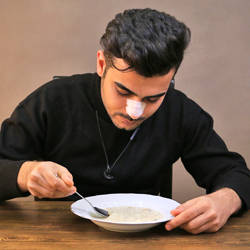


Introduction to Post-Rhinoplasty Nutrition
Undergoing rhinoplasty, commonly known as a nose job, is a transformative step toward enhancing your appearance and confidence. However, the recovery process is just as critical as the surgery itself, and your diet plays a pivotal role in ensuring a smooth, comfortable healing journey. At hamintour, we understand that knowing what to eat and avoid after rhinoplasty can significantly impact your recovery, from reducing swelling to preventing complications like constipation. This comprehensive, SEO-optimized guide provides expert-backed dietary recommendations to support your body’s healing process, tailored to maximize your rhinoplasty results with hamintour’s trusted insights.
Why Diet Matters After Rhinoplasty
A well-planned diet post-rhinoplasty accelerates healing, minimizes discomfort, and supports optimal surgical outcomes. Key reasons include:
-
Reducing Swelling and Inflammation: Certain foods help control post-operative swelling, a common side effect.
-
Preventing Digestive Issues: General anesthesia and pain medications can slow digestion, leading to constipation. A proper diet promotes regular bowel movements.
Table of Contents -
Supporting Wound Healing: Nutrient-rich foods provide the building blocks for tissue repair and recovery.
-
Boosting Comfort: Soft, easy-to-digest foods reduce strain on your body and facial muscles during healing.
Hamintour emphasizes that a tailored diet plan, combined with your surgeon’s guidance, ensures a faster, more comfortable recovery.
What to Eat After Rhinoplasty
Choosing the right foods is essential for supporting your body’s healing process. Hamintour recommends the following categories of foods to include in your post-rhinoplasty diet:
1. Soft Foods
Chewing hard foods can strain your facial muscles and nasal tissues, so opt for soft, easy-to-digest options, especially in the first week:
-
Examples: Applesauce, yogurt, scrambled eggs, mashed potatoes, oatmeal, smoothies, and chicken broth.
-
Benefit: Minimizes jaw movement, reducing discomfort near the surgical site.
2. High-Fiber Foods
High-fiber foods combat constipation, a common issue due to anesthesia and pain medications:
-
Grains: Whole wheat pasta, cooked brown rice, whole grain bread (softened or blended).
-
Fruits: Apples (pureed), pears, strawberries, or bananas.
-
Vegetables: Cooked carrots, baked potatoes, boiled green peas, broccoli, or spinach.
-
Benefit: Promotes regular bowel movements, easing digestive strain.
3. Anti-Inflammatory Foods
Reducing inflammation speeds up healing and minimizes swelling:
-
Monounsaturated Fats: Avocado, extra virgin olive oil, fatty fish (e.g., salmon, mackerel).
-
Fruits and Vegetables: Strawberries, blueberries, tomatoes, mushrooms, grapes.
-
Other: Dark chocolate (melted for easier consumption), green tea (cooled to room temperature).
-
Benefit: Decreases swelling and supports faster wound recovery.
4. Wound-Healing Foods
Nutrients like protein, vitamins A and C, and zinc are crucial for tissue repair:
-
Protein-Rich: Chicken, fish, eggs, yogurt, lentils.
-
Vitamin A-Rich: Carrots, sweet potatoes, spinach, kale.
-
Vitamin C-Rich: Citrus fruits (in moderation), bell peppers, kiwi.
-
Zinc-Rich: Seafood, pumpkin seeds, chickpeas.
-
Benefit: Accelerates tissue regeneration and strengthens surgical sites.
5. Anxiety-Relieving Foods
Post-surgical anxiety is common, and certain foods can help calm your nerves:
-
Examples: Brazil nuts, chamomile tea, dark chocolate (melted), green tea.
-
Benefit: Reduces stress, promoting a relaxed recovery environment.
6. Fresh Fruits and Vegetables
Rich in vitamins, minerals, and antioxidants, fresh produce supports overall healing:
-
Examples: Pineapple (rich in bromelain to reduce swelling), celery, berries, leafy greens.
-
Preparation Tip: Blend into smoothies or juices for easier consumption.
Hamintour Pro Tip: Combine food types for maximum benefit. For example, a smoothie with yogurt (protein), spinach (vitamin A), and pineapple (anti-inflammatory) is both nutritious and soft.
Foods to Avoid After Rhinoplasty
Avoiding certain foods is just as critical as choosing the right ones to prevent complications and discomfort. Hamintour advises steering clear of:
1. Hard and Chewy Foods
-
Examples: Chips, cereals, tough meats, raw apples, carrots (unless pureed), or crusty bread.
-
Why Avoid: Chewing can stretch the upper lip and nasal tissues, increasing swelling or discomfort.
2. Spicy and Acidic Foods
-
Examples: Hot sauces, citrus-heavy dishes, vinegar-based foods.
-
Why Avoid: These can increase blood pressure, risking bleeding, and irritate nasal tissues, potentially causing sneezing or delayed healing.
3. Processed Foods
-
Examples: Fast food, sugary snacks, packaged meals high in sodium or saturated fats.
-
Why Avoid: High sugar and sodium content can exacerbate swelling and slow digestion. Opt for whole, unprocessed foods instead.
4. Very Hot or Very Cold Foods
-
Examples: Piping hot soups, ice cream, frozen desserts.
-
Why Avoid: Extreme temperatures can irritate your mouth or teeth, worsening discomfort near the surgical site. Choose room-temperature or lukewarm foods.
5. Salty Foods
-
Examples: Salty snacks, canned soups, processed meats.
-
Why Avoid: Excess sodium promotes water retention, increasing swelling and edema.
Hamintour Tip: Prepare foods like apples or carrots in soft forms (e.g., pureed or thinly sliced) to retain their benefits without straining your recovery.
What to Drink After Rhinoplasty
Hydration is critical for healing, but choosing the right beverages matters. Hamintour recommends:
1. Water
-
Why: Keeps you hydrated, supports tissue repair, and prevents constipation.
-
How Much: Aim for 8–10 glasses daily, sipped slowly to avoid nausea.
2. Nutritious Drinks
-
Examples:
-
Pineapple Juice: Contains bromelain, which reduces swelling and bruising.
-
Celery Juice: Rich in antioxidants and anti-inflammatory properties.
-
Protein Shakes: Choose low-sugar, protein-only options to support wound healing.
-
-
Tip: Ensure juices are pulp-free to avoid chewing or irritation.
3. Drinks to Avoid
-
Alcohol: Increases bleeding risk, worsens swelling, and interacts dangerously with pain medications. Avoid for at least 6 weeks.
-
Caffeinated Drinks: Coffee, tea, or energy drinks can delay wound healing. Avoid for 1–2 weeks or as advised by your surgeon.
-
Acidic Juices: Orange or grapefruit juice may irritate the stomach, slowing recovery.
Hamintour Advice: Sip drinks through a straw (avoiding the surgical area) to maintain hydration without discomfort.
Eating and Drinking on the Day of Surgery
-
Immediate Post-Op: Avoid eating or drinking for the first few hours, as advised by your surgeon, due to anesthesia effects. Start with small sips of water once cleared.
-
Recommended Foods: Liquid or soft options like chicken broth, vegetable soup, or mashed potatoes.
-
Recommended Drinks: Pulp-free pineapple or celery juice, water, or protein shakes (no added sugar).
-
Why: Liquid diets minimize jaw movement and support digestion while providing essential nutrients.
Hamintour Note: If nausea occurs, pause eating and sip water slowly. Consult your surgeon if symptoms persist.
Diet Plan for the First Week
The first week is critical for setting the stage for a successful recovery. Hamintour’s recommended diet plan includes:
-
Day 1–2: Stick to liquids like broth, pulp-free juices (pineapple, celery), and protein shakes. Eat small, frequent meals to avoid nausea.
-
Day 3–7: Gradually introduce soft foods like yogurt, mashed potatoes, scrambled eggs, or pureed vegetables. Continue high-fiber and anti-inflammatory foods (e.g., blended spinach or avocado smoothies).
-
Hydration: Drink 8–10 glasses of water daily, supplemented with nutritious juices.
-
Sample Meals:
-
Breakfast: Oatmeal with mashed banana.
-
Lunch: Chicken broth with pureed carrots.
-
Snack: Pineapple smoothie.
-
Dinner: Mashed sweet potatoes with a protein shake.
-
Hamintour Tip: Pineapple, rich in bromelain, is especially beneficial in week 1 for reducing swelling. Consider eating it before surgery to prep your body.
How Long to Follow the Post-Rhinoplasty Diet
-
Standard Duration: Follow the strict diet (soft, high-fiber, anti-inflammatory foods) for 1–2 weeks, depending on your surgeon’s advice and recovery progress.
-
Extended Restrictions: Avoid alcohol and caffeine for at least 6 weeks to prevent bleeding and delayed healing.
-
Transitioning Back: After 1–2 weeks, gradually reintroduce normal foods, starting with softer versions of your regular diet. Consult your surgeon before resuming hard or chewy foods.
Hamintour Guidance: Every patient’s recovery is unique. Work closely with your surgeon for personalized dietary recommendations tailored to your healing progress.
Why Choose hamintour for Your Rhinoplasty Recovery?
At hamintour, we’re committed to supporting your rhinoplasty journey with expert advice and personalized care. Our team partners with top surgeons to provide comprehensive guidance, ensuring your diet and recovery plan maximizes healing and results. From nutrient-rich meal ideas to post-op care tips, hamintour is your trusted partner for a confident, revitalized appearance.
Frequently Asked Questions (FAQs)
1. Can I eat solid foods right after rhinoplasty?
No, stick to liquids and soft foods for the first 1–3 days to avoid straining your facial muscles. Gradually introduce soft solids as advised by your surgeon.
2. Why is pineapple juice recommended after rhinoplasty?
Pineapple juice contains bromelain, an enzyme that reduces swelling and bruising, supporting faster recovery.
3. How can I prevent constipation after rhinoplasty?
Eat high-fiber foods (e.g., pureed fruits, vegetables, whole grains) and stay hydrated with water and nutritious juices to promote regular bowel movements.
4. When can I drink coffee after rhinoplasty?
Avoid caffeinated drinks for at least 1–2 weeks, as they may delay healing. Consult your surgeon for specific guidance.
5. How do I know if my diet is affecting my recovery?
Monitor for increased swelling, discomfort, or digestive issues. If symptoms persist, consult your surgeon to adjust your diet or address complications.
Disclaimer
This article is intended for general informational purposes only and is not a substitute for professional medical advice. Always consult a qualified physician for diagnosis and treatment of rhinoplasty-related concerns or before making dietary changes post-surgery.
This content has been reviewed by medical experts at hamintour. For more details, visit our physician review page.