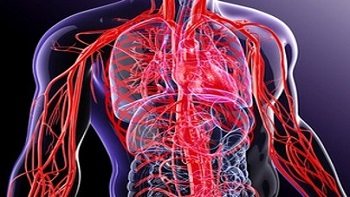


Angiography, a critical diagnostic procedure to examine blood vessels, identifies blockages, aneurysms, or other abnormalities using X-ray imaging and contrast dye. In Iran, this test is performed by expert cardiologists in state-of-the-art facilities at a fraction of global costs, making it a top choice for medical tourists. hamintour, a leading medical tourism facilitator, ensures a seamless experience, managing consultations, travel logistics, and post-procedure care, while offering cultural tours to enrich recovery with visits to Iran’s historic landmarks.
Why Choose Iran for Angiography?
Iran’s cardiology sector excels, with thousands of angiographies performed annually and success rates exceeding 98%, as reported in recent medical studies. Cardiologists, often trained at top global institutions, use advanced tools like high-resolution X-ray systems and 3D imaging for precise diagnostics. The keyword “Iran” signifies exceptional value—angiography costs $800-$1,500, compared to $5,000-$10,000 in the US, $3,000-$7,000 in the UK, or $2,000-$4,000 in India, offering savings of up to 85%.
Iran’s hospitals feature International Patient Departments (IPDs) with cutting-edge equipment and multilingual staff, ensuring comfort for international patients. The country’s safety and hospitality, praised by travelers, enhance its appeal. hamintour elevates this with comprehensive packages, including visas, transfers, accommodations, and optional tours to sites like Shiraz’s Persepolis or Tehran’s Grand Bazaar. Patient testimonials highlight this: a European patient received a timely diagnosis via angiography, praising hamintour’s coordination, while an Asian patient combined the procedure with a cultural tour, as shown in hamintour’s video stories.
What is Angiography?
Angiography, or arteriography, uses X-ray imaging to visualize blood vessels, often with a contrast dye to highlight blood flow. A catheter may be inserted to access arteries, enabling immediate treatment (e.g., angioplasty) if blockages are found. It diagnoses conditions like atherosclerosis, aneurysms, or arterial dissections, critical for preventing heart attacks or strokes. In Iran, advanced catheter labs ensure precise and safe procedures.
Types of Angiography
Iran offers various angiography types, tailored to patient needs:
-
Coronary Angiography: Examines heart arteries for blockages or narrowing, vital for diagnosing coronary artery disease.
-
Cerebral Angiography: Visualizes brain vessels via the carotid artery to detect aneurysms, tumors, or stroke risks.
-
CT Angiography (CTA): Uses computed tomography and contrast dye for detailed vessel imaging, less invasive than catheter methods.
-
MR Angiography (MRA): Non-invasive, using MRI technology without dye for patients with allergies or kidney issues.
hamintour connects patients with specialists to determine the best method based on symptoms and medical history.
Purpose of Angiography
Angiography diagnoses vascular abnormalities causing symptoms like:
-
Coronary Artery Disease: Chest pain (angina), fatigue, nausea, or excessive sweating.
-
Cerebral Artery Issues: Numbness, facial drooping, vision loss, severe headaches, speech difficulty, or dizziness.
Common conditions identified include:
-
Atherosclerosis: Plaque buildup blocking blood flow to the heart or brain.
-
Arterial Dissection: Tears in artery walls causing clots, common in carotid/vertebral arteries.
-
Aneurysm: Bulging artery walls due to weakened vessels.
Early diagnosis via angiography prevents life-threatening events like heart attacks or strokes. hamintour ensures rapid specialist consultations.
How is Angiography Performed in Iran?
The procedure, lasting 30-90 minutes, involves:
-
Preparation: Local anesthesia is administered, and a small incision is made in the arm or groin.
-
Catheter Insertion: A thin catheter is threaded through the artery to the target vessel.
-
Contrast Injection: Dye is injected to visualize blood flow via X-ray imaging.
-
Diagnosis/Treatment: The cardiologist identifies abnormalities, potentially performing angioplasty or stenting immediately.
-
Closure: The catheter is removed, and the incision is sealed with pressure or a closure device.
Iran’s clinics use high-definition imaging and real-time monitoring for accuracy. hamintour partners with top cardiologists for optimal outcomes.
Preparation for Angiography
To ensure a smooth procedure:
-
Stop smoking and alcohol 1 week prior.
-
Discontinue blood thinners as advised by the doctor.
-
Fast for 8-12 hours before the procedure.
-
For breastfeeding mothers, pump milk in advance, as contrast dye remains in the body for 24 hours.
-
Arrange caregiver support for post-procedure recovery.
hamintour coordinates pre-procedure tests (e.g., blood work, ECG) and logistics.
Recovery and Aftercare
Recovery is swift:
-
Hospital Stay: A few hours to overnight for monitoring.
-
Aftercare:
-
Drink fluids to flush out the contrast dye.
-
Avoid strenuous activities for 2-3 days.
-
Apply pressure to the incision site to prevent bruising.
-
Take prescribed medications and avoid smoking/alcohol.
-
Monitor for symptoms like swelling or fever and report to the doctor.
-
hamintour provides detailed aftercare instructions and virtual follow-ups.
Risks and Complications
Angiography is safe, with complications under 2%. Potential risks include:
-
Allergic reactions to contrast dye or anesthesia.
-
Minor bleeding or bruising at the incision site.
-
Rare issues: Artery injury, arrhythmias, infection, or heart attack.
Iran’s cardiologists use strict protocols and advanced monitoring to minimize risks. hamintour ensures access to experienced professionals.
Angiography and Angioplasty
If a blockage is found during angiography, immediate angioplasty or stent placement can be performed using the same catheter, reducing the need for additional procedures. Iranian facilities excel in combined diagnostics and treatment, coordinated by hamintour.
Cost Comparison
Angiography in Iran costs $800-$1,500, covering all essentials, compared to $5,000-$10,000 in the US, $3,000-$7,000 in the UK, or $2,000-$4,000 in India. Savings of up to 85% make Iran highly cost-effective. hamintour offers transparent pricing, including travel and accommodation.
Why Choose hamintour?
hamintour transforms angiography in Iran into a seamless experience, handling visas, hospital bookings, transfers, interpreters, and SIM cards. Optional cultural tours to sites like Yazd’s wind towers or Mashhad’s shrines enhance recovery. Post-procedure virtual consultations ensure ongoing care, making Iran a top choice for cardiac diagnostics.
Is Angiography in Iran Worth It?
With a 98%+ success rate, angiography in Iran provides accurate diagnoses, enables timely treatment, and prevents severe complications at unmatched affordability. hamintour’s comprehensive services make it a valuable and stress-free investment.
Frequently Asked Questions
-
Why is Iran ideal for angiography?
Iran offers advanced facilities, expert cardiologists, and costs up to 85% lower than Western countries, with success rates above 98%. -
How does hamintour assist with angiography in Iran?
hamintour manages visas, bookings, transfers, interpreters, and aftercare, offering cultural tours for a seamless experience. -
What is the cost of angiography in Iran?
It ranges from $800 to $1,500, far less than $5,000-$10,000 in the US or $3,000-$7,000 in the UK. -
Is angiography safe in Iran?
Yes, with a 98%+ success rate and advanced protocols, Iran minimizes risks like artery injury or allergic reactions. -
What conditions does angiography diagnose?
Atherosclerosis, arterial dissections, aneurysms, or blockages causing heart or brain issues. -
What types of angiography are available in Iran?
Coronary, cerebral, CT, and MR angiography, tailored to patient needs. -
How long is recovery after angiography in Iran?
A few hours to overnight, with full recovery in 2-3 days, supported by hamintour’s aftercare. -
What preparations are needed for angiography?
Fasting, stopping blood thinners, and arranging support, all coordinated by hamintour. -
What post-procedure care is essential?
Hydration, avoiding strenuous activities, and monitoring symptoms, with hamintour’s virtual support. -
Can I combine angiography with tourism in Iran?
Yes, hamintour arranges cultural tours to historic sites, enhancing recovery with unique experiences.