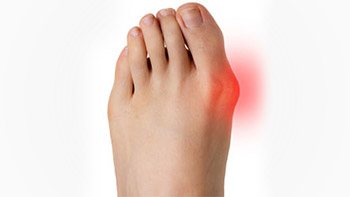


Bunion surgery, a highly effective solution for correcting the painful and unsightly deformity of hallux valgus, is gaining prominence in Iran due to its exceptional orthopedic expertise and affordability. Performed by skilled surgeons in state-of-the-art facilities, this procedure offers lasting relief and cosmetic improvement at a fraction of global costs. hamintour, a leading medical tourism facilitator, ensures a seamless experience, managing consultations, travel logistics, and recovery while offering cultural tours to Iran’s historic sites, making the journey both healing and enriching.
Why Choose Iran for Bunion Surgery?
Iran’s orthopedic sector excels with advanced technology, including 3D imaging and minimally invasive techniques, achieving success rates above 95%, as noted in recent medical reports. Surgeons, often with international training, perform thousands of procedures annually, ensuring precision and expertise. The keyword “Iran” signifies unmatched value—bunion surgery costs $2,500-$4,500, compared to $20,000 per foot in the US, $7,000-$10,000 in the UK, or $5,000-$8,000 in India. These savings, combined with high-quality care, make Iran a top destination.
Iran’s hospitals feature International Patient Departments (IPDs), equipped with cutting-edge tools and staffed by multilingual teams, ensuring comfort for global patients. The country’s safety and hospitality further enhance its appeal, with travelers describing Iran as exceptionally welcoming. hamintour elevates this by coordinating visas, transfers, accommodations, and cultural tours to sites like Persepolis or Tehran’s bazaars. Patient testimonials highlight this blend: a European patient praised hamintour for a pain-free bunion correction followed by a cultural tour, while an Asian patient appreciated the affordable, high-quality surgery, as shown in hamintour’s video stories.
What is a Bunion?
A bunion, or hallux valgus, is a bony protrusion at the base of the big toe, caused by joint misalignment. Often hereditary, it develops slowly due to genetic bone structure, flat feet, hypermobility, or arthritis. Ill-fitting shoes, like narrow or high-heeled ones, can accelerate progression. Symptoms include:
-
Big toe deformity, pushing toward other toes.
-
Pain during walking or wearing shoes.
-
Swelling or inflammation around the joint.
-
Difficulty moving the big toe or finding comfortable shoes.
A related condition, bunionette (tailor’s bunion), affects the little toe’s joint, often from prolonged pressure. When non-surgical options like orthotics or medications fail, surgery becomes necessary for pain relief and deformity correction.
When is Bunion Surgery Needed?
Surgery is recommended when symptoms persist despite conservative treatments (orthopedic shoes, pads, or injections) or when complications like arthritis or second-toe displacement arise. Indications include:
-
Persistent pain impacting daily activities.
-
Severe deformity affecting shoe fit or mobility.
-
Cosmetic concerns, as bunions can be unsightly.
-
Risk of arthritis or joint issues from untreated bunions.
hamintour connects patients with top orthopedists for assessments, often via telemedicine, to determine surgical necessity and address cosmetic or functional goals.
Types of Bunion Surgery
Bunion surgery, or bunionectomy, varies based on deformity severity, patient age, and health. Common techniques include:
-
Osteotomy: Cuts and realigns the bone, often with screws or plates, for moderate bunions. Ligament repositioning may be included.
-
Exostectomy: Removes excess bone, typically combined with osteotomy for optimal correction.
-
Arthrodesis: Removes arthritic joint surfaces, fusing bones with screws for severe cases.
-
Ligament Repair: Tightens or repositions ligaments to prevent recurrence, often adjunctive.
-
Joint Replacement: Rare, used for severe joint damage, replacing the joint with a prosthesis.
Iranian surgeons tailor the approach using advanced imaging like X-rays or CT scans. hamintour ensures patients receive personalized surgical plans.
How is Bunion Surgery Performed in Iran?
The procedure, lasting 1-2 hours (longer for double bunionectomy), involves:
-
Anesthesia: Typically ankle block (numbing the foot while awake), though general or spinal anesthesia may be used.
-
Incision: Made over the bunion to access the joint.
-
Correction: Bone is cut, realigned, or removed, and ligaments adjusted as needed. Screws, pins, or plates secure the alignment.
-
Closure: Stitches close the incision, and a bandage or surgical shoe is applied.
Iran’s clinics use minimally invasive techniques to minimize scarring and recovery time. hamintour partners with surgeons skilled in these methods for superior outcomes.
Preparation for Bunion Surgery
Preparation ensures optimal results:
-
Undergo tests: X-rays, blood tests, electrocardiogram, and urine tests.
-
Stop smoking and alcohol 2 weeks prior.
-
Discontinue blood thinners or anti-inflammatory drugs as advised.
-
Report current medications and medical history.
-
Fast for 8 hours before surgery.
-
Arrange caregiver support and a recovery-friendly home with accessible items.
hamintour coordinates pre-op tests, travel, and logistics, ensuring a smooth process.
Recovery Timeline
Recovery spans 3-6 months:
-
Day 1: Post-surgery, patients move to a recovery room, often discharged within hours or after a 1-night hospital stay.
-
Weeks 1-2: Wear a surgical shoe or cast, keeping the incision dry (use a plastic bag for showering). Take prescribed painkillers and antibiotics.
-
Weeks 2-6: Stitches are removed, and a brace stabilizes the foot. Use crutches, a cane, or a walker to avoid pressure. Driving may resume after 2-3 weeks.
-
Months 2-6: Gradual return to normal activities, with physical therapy if needed. Avoid high-impact activities until approved.
hamintour provides aftercare plans, including therapy and follow-up appointments, to support healing.
Risks and Complications
Bunion surgery is generally safe, with complications under 5%. Potential risks include:
-
Numbness or stiffness in the foot.
-
Infection or nerve damage.
-
Persistent pain or bunion recurrence (rare).
-
Anesthesia-related complications.
Iran’s experienced surgeons and strict protocols minimize risks. hamintour ensures access to top professionals for safe outcomes.
Why Choose hamintour?
hamintour transforms bunion surgery into a seamless experience in Iran, handling visas, hospital bookings, transfers, and interpreter services. Optional cultural tours to sites like Yazd’s ancient wind towers enhance recovery. Post-treatment, virtual consultations ensure ongoing care, making Iran a top choice for orthopedic surgery.
Cost Comparison
Bunion surgery in Iran costs $2,500-$4,500 per foot, covering all essentials, compared to $20,000 in the US, $7,000-$10,000 in the UK, or $5,000-$8,000 in India. Savings of up to 80% make Iran highly cost-effective. hamintour offers transparent pricing, including travel and rehab.
Is Bunion Surgery Worth It?
With a 95%+ success rate, bunion surgery in Iran relieves pain, corrects deformity, and prevents complications like arthritis. Supported by expert care and affordability, it’s a valuable investment. hamintour’s comprehensive services ensure a stress-free journey.
Frequently Asked Questions
-
Why is Iran a top destination for bunion surgery?
Iran offers advanced facilities, expert surgeons, and costs up to 80% lower than Western countries, with success rates above 95%. -
How does hamintour support bunion surgery in Iran?
hamintour manages visas, bookings, transfers, and aftercare, offering cultural tours and interpreter services for a seamless experience. -
What is the cost of bunion surgery in Iran?
It ranges from $2,500 to $4,500 per foot, far less than $20,000 in the US or $7,000-$10,000 in the UK. -
Is bunion surgery safe in Iran?
Yes, with a 95%+ success rate and modern protocols, Iran minimizes risks like infection or recurrence. -
When is bunion surgery needed?
For persistent pain, deformity, or complications like arthritis when non-surgical treatments fail. -
What types of bunion surgery are available in Iran?
Osteotomy, exostectomy, arthrodesis, ligament repair, or joint replacement, tailored to patient needs. -
How long is recovery after bunion surgery in Iran?
Discharge within hours or 1 day, with normal activities resuming in 2-6 months, supported by therapy. -
What preparations are needed for bunion surgery?
Tests, medication adjustments, and home setup, all coordinated by hamintour. -
What post-operative care is required?
Medications, surgical shoe, therapy, and avoiding pressure, with hamintour’s aftercare support. -
Can I combine bunion surgery with tourism in Iran?
Yes, hamintour offers cultural tours to historic sites, enhancing recovery with a unique travel experience.