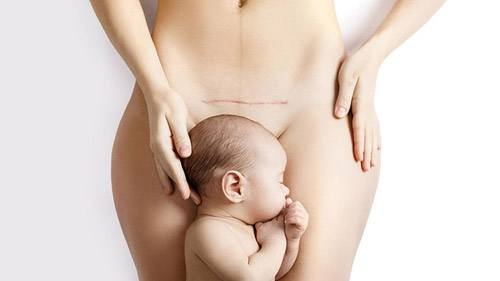


A Caesarean section (C-section) is a surgical procedure that offers a safe and effective delivery option for mothers and babies when vaginal birth is not feasible. Iran stands out as a premier destination for C-sections, combining advanced medical expertise with affordability. Through a trusted medical tourism facilitator, patients gain access to top obstetricians, state-of-the-art hospitals, and comprehensive travel support, ensuring a seamless and stress-free experience.
Why Choose Iran for a Caesarean Section?
Iran is a global leader in medical tourism, renowned for its advanced healthcare infrastructure and highly skilled obstetricians who perform thousands of C-sections annually. The country’s hospitals are equipped with cutting-edge technology, ensuring safe and successful deliveries. Patients benefit from Iran’s high-quality care at a fraction of global costs, alongside the opportunity to explore its rich cultural heritage during recovery, facilitated by comprehensive travel services.
Understanding Caesarean Section
A C-section is a surgical procedure where a baby is delivered through incisions in the mother’s abdomen and uterus. It is a reliable alternative to vaginal delivery when medical or personal factors make natural birth risky or impractical. The procedure, typically lasting 45-60 minutes, ensures the safety of both mother and baby. In Iran, experienced specialists deliver exceptional outcomes, supported by a trusted facilitator’s personalized care plans.
When is a Caesarean Section Necessary?
While vaginal delivery is preferred for uncomplicated pregnancies, a C-section is recommended in specific situations, including:
-
Labor Complications: Insufficient uterine contractions or inadequate cervical dilation, hindering safe vaginal delivery.
-
Fetal Health Risks: Abnormal fetal heart rate, umbilical cord issues (e.g., cord prolapse or wrapping around the neck), or other conditions threatening the baby’s well-being.
-
Breech or Transverse Position: When the baby is positioned feet-first or sideways, making vaginal delivery difficult or unsafe.
-
Multiple Pregnancies: Twins or higher-order multiples may require a C-section, especially if preterm delivery or malposition occurs.
-
Large Baby (Macrosomia): Often linked to gestational diabetes, a large baby may risk shoulder dystocia during vaginal birth.
-
Placental Issues: Placenta previa, abruption, or abnormal implantation that affects oxygen and nutrient delivery to the fetus.
-
Maternal Infections: Conditions like HIV or active genital herpes, where vaginal delivery could transmit the infection to the baby.
-
Maternal Health Conditions: Severe heart, brain, or pelvic issues, such as large fibroids or past fractures, that complicate vaginal birth.
-
Previous C-Section: In some cases, prior C-sections necessitate repeat procedures to avoid risks like uterine rupture.
A trusted facilitator in Iran coordinates consultations with obstetricians to determine the need for a C-section based on individual circumstances.
Types of Anesthesia for C-Section
C-sections in Iran are performed with patient comfort in mind, using one of the following anesthesia options:
-
Epidural Block: Numbs the lower body via an injection into the spine, allowing the mother to remain awake without pain, though some pressure may be felt.
-
Spinal Block: Injected into the spinal fluid for immediate numbing of the lower body, commonly used for planned C-sections.
-
General Anesthesia: Used in emergencies or rare cases, rendering the mother unconscious during the procedure.
Specialists in Iran, supported by the facilitator, select the most appropriate anesthesia based on medical needs and patient preferences.
The C-Section Procedure
Performed in a sterile operating room, a C-section typically follows these steps:
-
Preparation: The abdomen is cleansed, an IV line delivers fluids and medications, and a urinary catheter is inserted to protect the bladder. Vital signs are monitored throughout.
-
Incision: A 6-inch horizontal incision is made in the lower abdomen, followed by an incision in the uterus to access the baby.
-
Delivery: The surgeon gently removes the baby, often with assistance to guide it out, and clears fluid from its mouth and nose via suction.
-
Umbilical Cord and Placenta: The cord is cut, and the placenta is removed to prevent complications.
-
Closure: The uterus and abdomen are cleaned, and incisions are closed with dissolvable stitches.
The procedure is completed in 45-60 minutes, with the facilitator ensuring access to Iran’s top obstetric teams for optimal outcomes.
Recovery After a C-Section
Post-surgery, patients are monitored in a recovery room for a few hours before moving to a ward. Key recovery details include:
-
Hospital Stay: 2-4 days, allowing time for stabilization and initial bonding with the baby.
-
Early Symptoms: Tremors, nausea, or drowsiness may occur but typically resolve quickly.
-
Recovery Timeline: Full recovery takes about 6 weeks, during which patients should:
-
Rest extensively, avoiding heavy lifting or squatting.
-
Use over-the-counter pain relievers (e.g., ibuprofen) or heating pads for incision discomfort.
-
Avoid sex for 6 weeks to prevent infection or suture issues.
-
Refrain from driving for 1-2 weeks due to limited mobility.
-
The facilitator provides detailed recovery guidance and arranges follow-up care to monitor healing.
Monitoring for Complications
Patients should watch for signs of infection or complications and contact their doctor if they experience:
-
Redness, swelling, or discharge at the incision site
-
Fever above 100°F (38°C)
-
Heavy bleeding or worsening pain
-
Symptoms of postpartum depression, such as severe mood swings or fatigue
The facilitator ensures access to prompt medical support in Iran or remotely post-discharge.
Cost of C-Section in Iran
While C-section costs vary globally, Iran offers exceptional value. In the U.S., prices range from $15,000 to $30,000, whereas in Iran, a C-section costs approximately $1,500-$3,000, including pre- and post-operative care. This affordability, combined with Iran’s medical expertise, makes it a top choice for medical tourists.
Risks and Complications
As a surgical procedure, C-sections carry rare but potential risks, including:
-
Bleeding or infection
-
Blood clots in the legs, pelvis, or lungs
-
Injury to nearby organs (e.g., bladder or intestines)
-
Adverse reactions to anesthesia
-
Increased risks in future pregnancies, such as uterine rupture or placental issues
Iran’s experienced obstetricians, coordinated by the facilitator, minimize these risks through rigorous protocols. Recovery is longer than vaginal delivery, but complications are uncommon with proper care.
Vaginal Birth After C-Section (VBAC)
Many women can attempt a vaginal birth after a C-section (VBAC), particularly if they’ve had only one prior C-section. The risk of uterine rupture is low (less than 1%), but VBAC suitability depends on factors like the type of uterine incision and overall health. The facilitator arranges consultations with specialists to assess VBAC feasibility.
Why Choose a Medical Tourism Facilitator?
A trusted medical tourism facilitator simplifies the C-section experience in Iran by offering:
-
Seamless Logistics: Visa processing, airport transfers, and accommodation arrangements.
-
Top Obstetricians: Access to Iran’s leading specialists for safe and successful deliveries.
-
Affordable Care: High-quality C-sections at a fraction of global costs.
-
Comprehensive Support: Interpreters, local transport, and post-operative follow-ups, including remote consultations after returning home.
-
Cultural Experience: Optional tours to explore Iran’s historical and natural attractions during recovery.
Patient Success Stories
Patients worldwide praise Iran’s medical excellence and the facilitator’s seamless coordination. A European mother highlighted the compassionate care and affordability, while an Asian patient appreciated the smooth process and cultural experience. These testimonials underscore Iran’s reputation as a trusted destination for C-sections.
Frequently Asked Questions (FAQs)
-
What is a C-section, and when is it needed?
A C-section is a surgical delivery through abdominal and uterine incisions, necessary for complications like breech position or fetal distress. Iran’s specialists ensure safe outcomes. -
How much does a C-section cost in Iran?
Costs range from $1,500-$3,000, compared to $15,000-$30,000 in the U.S., facilitated by comprehensive care packages. -
Is a C-section painful?
Anesthesia (epidural, spinal, or general) ensures a pain-free procedure, with manageable post-operative discomfort. -
How long is the recovery period?
Hospital stays last 2-4 days, with full recovery in 6 weeks, supported by detailed care instructions. -
What are the risks of a C-section?
Rare risks include bleeding, infection, or blood clots, minimized by Iran’s expert obstetricians. -
Can I have a vaginal birth after a C-section?
VBAC is possible for many, with suitability assessed by specialists through the facilitator. -
What anesthesia is used for C-sections?
Options include epidural, spinal block, or general anesthesia, chosen based on medical needs. -
How is the C-section procedure performed?
It involves abdominal and uterine incisions, baby delivery, and closure with dissolvable stitches, completed in 45-60 minutes. -
How does a facilitator support international patients?
The facilitator manages visas, travel, specialist selection, and follow-ups for a hassle-free experience in Iran. -
Can I combine my C-section with tourism in Iran?
Yes, cultural tours enhance recovery with Iran’s rich heritage, arranged by the facilitator.