

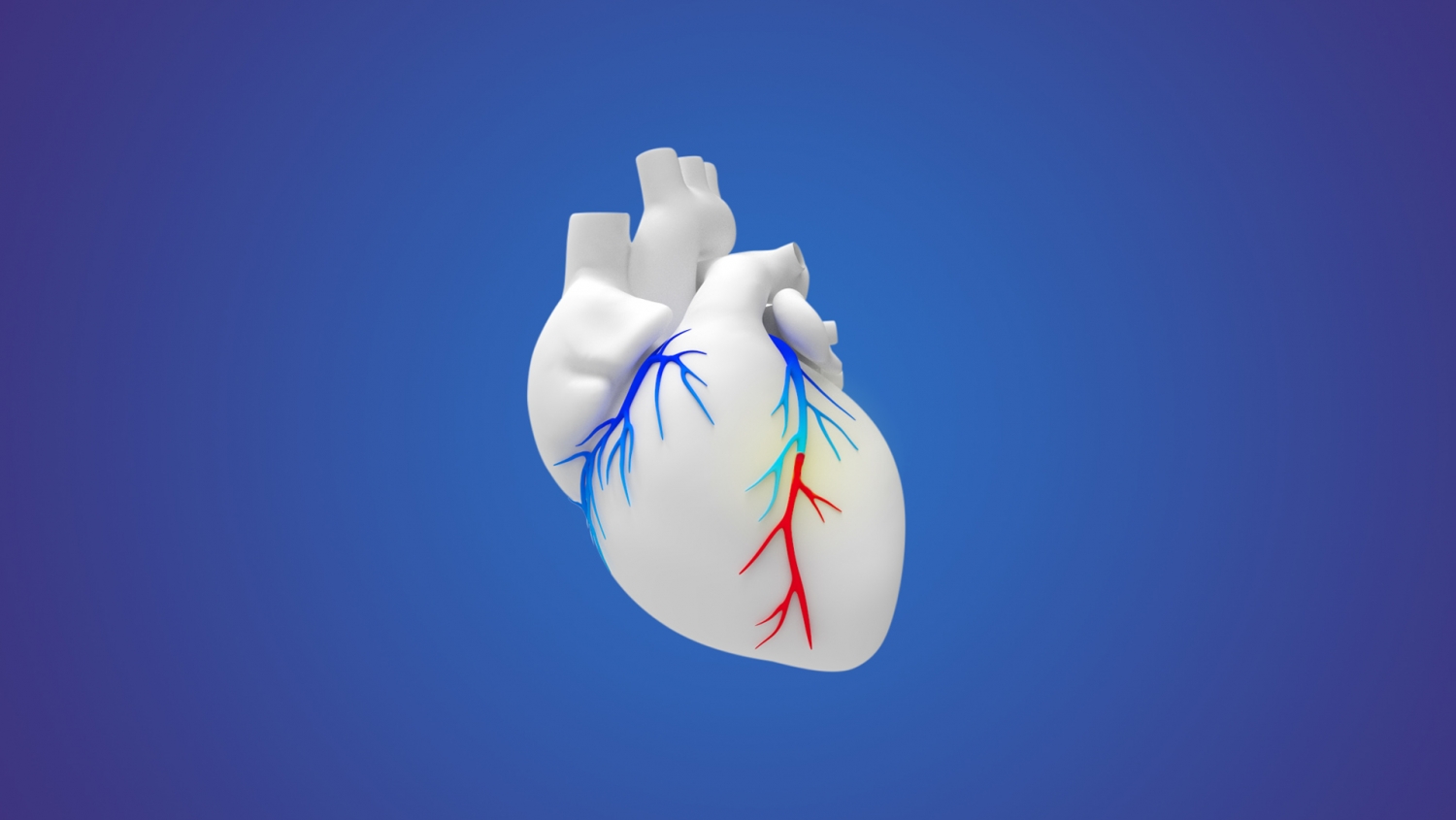

Heart bypass surgery, medically known as coronary artery bypass grafting (CABG), is a proven, life-saving procedure to restore blood flow to the heart by bypassing blocked arteries. In Iran, over 30,000 CABG procedures are performed annually by expert cardiothoracic surgeons in world-class hospitals, offering high success rates at a fraction of global costs. hamintour, a leading medical tourism facilitator, ensures a seamless experience, managing consultations, travel logistics, and post-operative care, while offering cultural tours to enrich recovery with visits to Iran’s historic landmarks.
Why Choose Iran for Heart Bypass Surgery?
Iran is a global leader in cardiovascular surgery, ranking among the top 10 countries with over 30,000 CABG procedures yearly and success rates exceeding 95%, as reported in recent medical journals. Surgeons, often trained at prestigious international institutions, use advanced techniques like minimally invasive CABG and high-precision heart-lung machines. The keyword “Iran” signifies exceptional value—CABG costs $7,000-$12,000, compared to $70,000-$150,000 in the US, $20,000-$40,000 in the UK, or $10,000-$20,000 in India, offering savings of up to 90%.
Iran’s hospitals feature International Patient Departments (IPDs) with state-of-the-art catheter labs, 3D imaging, and multilingual staff, ensuring comfort for international patients. The country’s safety and hospitality, frequently praised by travelers, enhance its appeal. hamintour elevates this with comprehensive packages, including visas, transfers, accommodations, and optional tours to sites like Tehran’s Golestan Palace or Mashhad’s Imam Reza Shrine. Patient testimonials highlight this: a Middle Eastern patient regained heart function post-CABG, praising hamintour’s coordination, while a European patient combined surgery with a cultural tour, as featured in hamintour’s video stories.
What is Heart Bypass Surgery?
CABG reroutes blood flow around blocked coronary arteries using a healthy blood vessel (graft) from the leg, arm, or chest. This restores oxygen supply to the heart, relieving chest pain (angina), stabilizing heartbeats, and reducing heart attack risk. With a 95%+ success rate and long-term durability, CABG outperforms other treatments like angioplasty for multiple blockages. In Iran, advanced intraoperative monitoring ensures precision and safety.
Types of CABG
Iran offers various CABG types, tailored to patient needs:
-
Single/Double/Triple/Quadruple Bypass: Addresses one to four blocked arteries, respectively, using grafts to bypass blockages.
-
On-Pump CABG: Uses a heart-lung machine to stop the heart temporarily, allowing surgery on a still heart.
-
Off-Pump CABG: Performed on a beating heart, reducing complications and recovery time.
-
Minimally Invasive CABG: Uses small incisions (3-5 cm) without opening the chest, offering shorter recovery, less pain, and smaller scars.
hamintour connects patients with specialists to determine the best approach based on diagnostics.
When is CABG Needed?
CABG is recommended for coronary artery disease (CAD), where plaque (fat, cholesterol, calcium) narrows arteries, reducing blood flow to the heart. Symptoms include:
-
Chest pain (angina)
-
Shortness of breath
-
Irregular heartbeats
-
Fatigue
-
Excessive sweating
Asymptomatic cases, especially with hereditary risks or conditions like diabetes, may require CABG after diagnostic tests (e.g., coronary angiography). It’s advised when medications or less invasive procedures like angioplasty fail. hamintour facilitates free consultations to assess candidacy.
How is CABG Performed in Iran?
The procedure, lasting 3-6 hours, involves:
-
Anesthesia: General anesthesia ensures comfort.
-
Graft Harvesting: A healthy vessel is taken from the leg (saphenous vein), arm (radial artery), or chest (internal mammary artery).
-
Chest Incision: An 8-10-inch incision is made for traditional CABG, or smaller incisions for minimally invasive methods.
-
Bypass Creation: The graft is attached above and below the blockage, rerouting blood flow. On-pump CABG uses a heart-lung machine; off-pump avoids it.
-
Closure: The chest is closed with wires/stitches, and drainage tubes may be placed temporarily.
Iran’s hospitals use high-definition imaging and neuromonitoring to minimize risks. hamintour partners with top surgeons for optimal outcomes.
CABG vs. Angioplasty
-
CABG: Open-heart surgery for multiple or complex blockages, offering higher durability (5% repeat procedure rate within 18 months). Requires a chest incision and 10-12 weeks recovery.
-
Angioplasty: Minimally invasive, using a balloon/stent via a small incision for single blockages. Higher repeat procedure rate (30% within 18 months) but shorter recovery (2-4 weeks).
CABG is preferred for severe cases or multiple blockages. hamintour guides patients on the best option based on diagnostics.
Preparation for CABG
To ensure a smooth procedure:
-
Stop blood thinners (e.g., aspirin) or anti-inflammatory drugs as advised.
-
Avoid smoking and alcohol for 2 weeks prior.
-
Complete tests: Blood work, chest X-ray, ECG, or coronary angiography.
-
Fast for 8-12 hours before surgery.
-
Arrange a caregiver for post-procedure support.
hamintour coordinates all logistics, including tests, visas, and airport transfers.
Recovery and Aftercare
Recovery spans 10-12 weeks:
-
Hospital Stay: 5-7 days, including 1-2 days in ICU for monitoring.
-
Weeks 1-4: Limit physical activity, avoid lifting heavy objects, and keep incisions clean. Pain is managed with prescribed medications.
-
Weeks 4-8: Begin cardiac rehabilitation with light walking (3-5 days post-surgery) and stair climbing (5-6 days).
-
Weeks 8-12: Gradually resume normal activities, including driving or light lifting by week 6. Avoid strenuous sports for 16 weeks.
Aftercare tips:
-
Wear loose clothing to avoid incision irritation.
-
Follow a heart-healthy diet (low fat/salt, high in grains, vegetables).
-
Take prescribed medications (e.g., antiplatelets, statins) to prevent clotting.
-
Monitor for symptoms like fever, swelling, or irregular heartbeats and report to the doctor.
hamintour provides tailored rehab plans and virtual follow-ups for optimal recovery.
Risks and Complications
CABG is safe, with complications under 5%. Potential risks include:
-
Bleeding or infection at the incision site.
-
Blood clots or irregular heart rhythms.
-
Rare issues: Stroke, heart attack, or graft failure.
Iran’s surgeons use advanced monitoring and strict protocols to minimize risks. hamintour ensures access to experienced professionals.
Cost Comparison
CABG in Iran costs $7,000-$12,000, covering all essentials, compared to $70,000-$150,000 in the US, $20,000-$40,000 in the UK, or $10,000-$20,000 in India. Savings of up to 90% make Iran highly cost-effective. hamintour offers transparent pricing, including travel, accommodation, and interpreter services.
Why Choose hamintour?
hamintour transforms CABG in Iran into a seamless experience, handling visas, hospital bookings, transfers, interpreters, and SIM cards. With no waiting lists, procedures are scheduled within a week. Optional cultural tours to sites like Shiraz’s Persepolis or Isfahan’s bridges enhance recovery. Post-procedure virtual consultations ensure ongoing care, making Iran a top choice for cardiac surgery.
Is CABG in Iran Worth It?
With a 95%+ success rate, CABG in Iran relieves chest pain, prevents heart attacks, and extends life expectancy at unmatched affordability. hamintour’s comprehensive services make it a valuable and stress-free investment.
Frequently Asked Questions
-
Why is Iran ideal for CABG?
Iran offers advanced hospitals, expert surgeons, and costs up to 90% lower than Western countries, with success rates above 95%. -
How does hamintour assist with CABG in Iran?
hamintour manages visas, bookings, transfers, interpreters, and aftercare, offering cultural tours for a seamless experience. -
What is the cost of CABG in Iran?
It ranges from $7,000 to $12,000, far less than $70,000-$150,000 in the US or $20,000-$40,000 in the UK. -
Is CABG safe in Iran?
Yes, with a 95%+ success rate and advanced protocols, Iran minimizes risks like infection or graft failure. -
When is CABG needed?
For coronary artery disease with symptoms like chest pain, shortness of breath, or after failed less invasive treatments. -
What types of CABG are available in Iran?
Single to quadruple bypass, on-pump, off-pump, or minimally invasive, tailored to patient needs. -
How long is recovery after CABG in Iran?
Hospital stay of 5-7 days, with full recovery in 10-12 weeks, supported by hamintour’s rehab plans. -
What preparations are needed for CABG?
Tests, stopping blood thinners, and arranging support, all coordinated by hamintour. -
What post-operative care is essential?
Medications, heart-healthy diet, and gradual activity resumption, with hamintour’s virtual support. -
Can I combine CABG with tourism in Iran?
Yes, hamintour arranges cultural tours to historic sites, enhancing recovery with unique experiences.