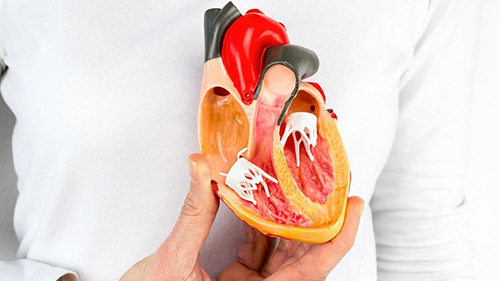


Heart transplant surgery, a life-saving procedure for end-stage heart failure, replaces a damaged heart with a healthy donor heart. In Iran, a global leader in cardiology, thousands of heart transplants are performed annually with success rates exceeding 90%, as reported in recent medical journals. hamintour, a premier medical tourism facilitator, ensures a seamless experience, managing consultations, travel logistics, donor matching, and post-operative care, while offering cultural tours to enrich recovery with visits to Iran’s historic landmarks.
Why Choose Iran for Heart Transplant Surgery?
Iran ranks among the top 10 countries for cardiology, with world-class hospitals and surgeons trained at prestigious global institutions. Advanced facilities, including state-of-the-art transplant units and intraoperative monitoring, ensure high success rates. The keyword “Iran” signifies exceptional value—heart transplant surgery costs $7,000-$9,000, compared to $1,000,000-$1,400,000 in the US, $100,000-$300,000 in the UK, or $20,000-$40,000 in India, offering savings of up to 95%.
Iran’s hospitals feature International Patient Departments (IPDs) with advanced immunosuppression protocols and multilingual staff, ensuring comfort for international patients. The country’s safety, hospitality, and cultural richness, praised by travelers, enhance its appeal. hamintour elevates this with comprehensive packages, including visas, transfers, accommodations, and optional tours to sites like Tehran’s Golestan Palace or Shiraz’s Persepolis. Patient testimonials highlight this: a Middle Eastern patient regained vitality post-transplant, praising hamintour’s coordination, while a European patient combined recovery with a cultural tour, as featured in hamintour’s video stories.
What is Heart Transplant Surgery?
Heart transplant surgery replaces a failing heart with a healthy donor heart, typically for patients with end-stage heart failure unresponsive to other treatments. The procedure involves removing the recipient’s heart (orthotopic approach) or, rarely, placing the donor heart alongside it (heterotopic approach). In Iran, advanced surgical techniques and rigorous donor matching ensure optimal outcomes.
Why is Heart Transplant Needed?
Heart transplants are performed for conditions causing severe heart failure, including:
-
Coronary Artery Disease: Blocked arteries reducing blood flow.
-
Cardiomyopathy: Weakened heart muscle.
-
Heart Valve Disease: Malfunctioning valves disrupting blood flow.
-
Congenital Heart Defects: Structural abnormalities present at birth.
-
Pulmonary Hypertension: High lung blood pressure.
-
Arrhythmias: Irregular heartbeats.
-
Infections or Alcohol Damage: Leading to heart deterioration.
Symptoms include shortness of breath, fatigue, chest pain, or swelling. hamintour facilitates diagnostic tests to confirm eligibility.
Types of Heart Transplant Surgery
Iran offers two main approaches:
-
Orthotopic Transplant: The most common, replacing the recipient’s heart with the donor heart.
-
Heterotopic Transplant: Rare, placing the donor heart beside the recipient’s heart, typically for complex cases.
Artificial Heart Transplant: Used as a temporary bridge to transplant, artificial hearts (mechanical devices) support patients awaiting donors. Costs range from $100,000-$300,000 globally but are lower in Iran. Pros include no anticoagulation needs and low rejection risk; cons include potential structural failure or calcification.
Heart Transplant Eligibility
Eligibility criteria include:
-
Age under 69 years.
-
No active infections, cancer, or severe arterial disease affecting brain/leg circulation.
-
Non-obese status.
-
Psychological stability and commitment to lifelong aftercare.
hamintour coordinates evaluations to confirm candidacy, including tests like echocardiograms, ECGs, heart catheterization, chest X-rays, pulmonary function tests, and Doppler ultrasounds.
Blood and Tissue Matching
To minimize rejection:
-
Blood Type Matching:
-
Type O: Receives only O.
-
Type A: Receives A or O.
-
Type B: Receives B or O.
-
Type AB: Receives A, B, AB, or O (universal recipient).
-
-
Tissue Typing: Human leukocyte antigen (HLA) compatibility must be at least 50% to reduce rejection risk.
hamintour ensures access to Iran’s robust donor matching systems.
Preparation for Heart Transplant Surgery
Preparation begins weeks/months prior:
-
Complete tests: Echocardiogram, ECG, heart catheterization, MVO2 stress test, chest X-ray, pulmonary function tests, Doppler, and blood work.
-
Stop smoking and alcohol 1 month prior.
-
Discontinue blood thinners as advised.
-
Arrange a caregiver for post-procedure support.
-
Fast for 8-12 hours before surgery.
hamintour coordinates all tests, visas, and logistics, ensuring a stress-free process.
How is Heart Transplant Surgery Performed in Iran?
The procedure, lasting 3-5 hours (or longer based on complexity), involves:
-
Anesthesia: General anesthesia ensures comfort.
-
Heart-Lung Machine: A bypass machine maintains circulation while the heart is stopped.
-
Heart Removal: In orthotopic transplants, the recipient’s heart is removed, leaving atrial walls for attachment.
-
Donor Heart Implantation: The donor heart is sewn into place, connecting major blood vessels.
-
Restarting the Heart: The heart is shocked to resume beating, and the bypass machine is disconnected.
-
Closure: The chest is closed with wires/stitches, leaving a scar (typically hidden under clothing).
Iran’s transplant centers use advanced monitoring and immunosuppression protocols. hamintour partners with top surgeons for optimal outcomes.
Recovery and Aftercare
Recovery spans 6 months:
-
Hospital Stay: 7-14 days, including 2-5 days in ICU/CVICU for monitoring. Ventilators are removed once breathing stabilizes.
-
Weeks 1-4: Rest, avoid strenuous activities, and monitor for infections (fever, cough, sore throat) or rejection (weight gain, fatigue, shortness of breath).
-
Months 1-6: Begin light exercise (walking, stationary cycling), increasing duration gradually. Full recovery allows normal activities by 6 months.
Aftercare tips:
-
Keep the surgical site clean/dry; follow bathing instructions.
-
Monitor temperature and weight daily (weight gain >1 kg/day may indicate fluid retention).
-
Wash hands frequently with antibacterial soap; avoid sick people and animals.
-
Take immunosuppressants and other medications (e.g., painkillers, antibiotics) as prescribed.
-
Attend follow-up check-ups for months post-surgery.
hamintour provides tailored rehab plans, virtual physiotherapy, and follow-ups.
Heart Transplant Diet
To support recovery:
-
Eat small, frequent, high-protein meals (fish, lean meat, eggs).
-
Include fruits, vegetables, whole grains (barley, oatmeal), and canola oil.
-
Limit salt, sugar, saturated fats, and sodium.
-
Drink milk or protein supplements.
hamintour offers dietary guidance through virtual consultations.
Heart Transplant Exercise
Exercise aids recovery:
-
Weeks 1-4: Light walking or stationary cycling, starting with 5-10 minutes.
-
Months 1-3: Extend walks by 2 minutes every few days, aiming for 30-60 minutes daily.
-
After 3 Months: Consult doctors for more intense activities.
hamintour coordinates rehab plans with specialists.
Risks and Complications
Heart transplants are complex, with complications under 10%. Risks include:
-
Rejection (2-3 episodes in the first year, treated with immunosuppressants).
-
Infections due to immunosuppression.
-
Bleeding, blood clots, or graft failure.
-
Rare issues: Cancer, breathing problems, or death.
Iran’s transplant centers use advanced immunosuppression and monitoring to minimize risks. hamintour ensures access to experienced professionals.
Life Expectancy and Quality of Life
Statistically, 50% of patients live 13+ years post-transplant, depending on health and adherence to aftercare. Quality of life improves significantly, with reduced symptoms and restored activity levels. Lifelong immunosuppressants may cause side effects like kidney issues or osteoporosis. hamintour provides ongoing support for lifestyle adjustments.
Lifestyle Considerations
-
Smoking/Alcohol: Avoid for at least 6 months; minimal use thereafter with doctor approval.
-
Sex/Pregnancy: Safe sex is possible; women should wait 1 year before pregnancy, consulting doctors.
-
Work/Driving: Resume driving after 1-2 months and work/school after 3-6 months, based on recovery.
Cost Comparison
Heart transplant surgery in Iran costs $7,000-$9,000, covering all essentials, compared to $1,000,000-$1,400,000 in the US, $100,000-$300,000 in the UK, or $20,000-$40,000 in India. Savings of up to 95% make Iran highly cost-effective. hamintour offers transparent pricing, including travel, accommodation, and interpreter services.
Why Choose hamintour?
hamintour transforms heart transplant surgery in Iran into a seamless experience, handling visas, hospital bookings, donor matching, transfers, interpreters, and SIM cards. With no waiting lists, procedures are scheduled promptly. Optional cultural tours to sites like Mashhad’s Imam Reza Shrine or Yazd’s ancient temples enhance recovery. Post-procedure virtual consultations ensure ongoing care, making Iran a top choice for heart transplants.
Is Heart Transplant Surgery in Iran Worth It?
With a 90%+ success rate, heart transplant surgery in Iran restores heart function, extends life expectancy, and enhances quality of life at unmatched affordability. hamintour’s comprehensive services make it a valuable and stress-free investment.
Frequently Asked Questions
-
Why is Iran ideal for heart transplant surgery?
Iran offers advanced hospitals, expert surgeons, and costs up to 95% lower than Western countries, with success rates above 90%. -
How does hamintour assist with heart transplant surgery in Iran?
hamintour manages visas, bookings, donor matching, transfers, interpreters, and aftercare, offering cultural tours for a seamless experience. -
What is the cost of heart transplant surgery in Iran?
It ranges from $7,000 to $9,000, far less than $1,000,000-$1,400,000 in the US or $100,000-$300,000 in the UK. -
Is heart transplant surgery safe in Iran?
Yes, with a 90%+ success rate and advanced protocols, Iran minimizes risks like rejection or infection. -
When is heart transplant surgery needed?
For end-stage heart failure due to coronary artery disease, cardiomyopathy, or valve issues when other treatments fail. -
What types of heart transplants are available in Iran?
Orthotopic (most common), heterotopic (rare), or artificial hearts as a bridge to transplant. -
How long is recovery after heart transplant surgery in Iran?
Hospital stay of 7-14 days, with full recovery in 6 months, supported by hamintour’s rehab plans. -
What preparations are needed for heart transplant surgery?
Tests, stopping smoking, and arranging support, all coordinated by hamintour. -
What post-operative care is essential?
Immunosuppressants, heart-healthy diet, and monitoring for rejection, with hamintour’s virtual support. -
Can I combine heart transplant surgery with tourism in Iran?
Yes, hamintour arranges cultural tours to historic sites, enhancing recovery with unique experiences.