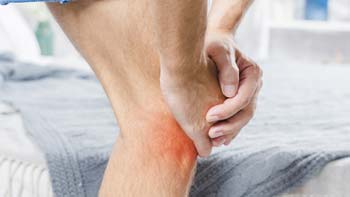


Knee replacement surgery, a transformative solution for chronic knee pain and mobility issues, has positioned Iran as a leading destination for orthopedic care. With over 10,000 procedures performed annually, Iran combines cutting-edge technology, skilled surgeons, and budget-friendly prices, making it an ideal choice for those seeking total or partial knee replacements. hamintour, a trusted name in medical tourism, ensures a seamless experience, guiding patients through every step—from consultation to recovery—while offering the chance to explore Iran’s rich cultural heritage.
Why Iran Excels in Knee Replacement Surgery
Iran’s orthopedic sector thrives on its advanced infrastructure and expertise. Hospitals equipped with modern diagnostic tools, such as high-resolution MRIs and 3D imaging, enable precise surgical planning. Iranian surgeons, many with international fellowships, specialize in knee arthroplasties, delivering outcomes that rival global standards. The keyword “Iran” reflects not only medical excellence but also affordability—total knee replacements cost $2,800-$3,800, compared to $50,000 in the US or $11,000 in the UK. hamintour enhances this value by coordinating tailored treatment plans, ensuring patients receive world-class care at a fraction of the cost.
Patient stories highlight Iran’s appeal. A European patient, after struggling with osteoarthritis, underwent a successful total knee replacement in Tehran, praising the professionalism and warmth of the medical team. An Asian couple shared how hamintour arranged their partial knee surgery, combining it with a cultural tour of Isfahan during recovery. These experiences, often documented in hamintour’s engaging videos, showcase Iran’s blend of medical precision and hospitality, making it a standout choice for global patients.
What is Knee Replacement Surgery?
Knee replacement, or arthroplasty, addresses severe knee damage caused by conditions like arthritis or injury. The procedure involves removing damaged cartilage and bone and replacing them with a prosthetic joint made of metal and plastic. Total knee replacement (TKR) targets the entire joint, while partial knee replacement (PKR), or unicompartmental arthroplasty, focuses on a single compartment, preserving healthy tissue. In Iran, both procedures are performed with high precision, using minimally invasive techniques when possible to reduce recovery time.
Who Needs Knee Replacement?
Knee replacement is recommended for individuals facing:
- Osteoarthritis: Common in those over 50, where cartilage wear causes bone-on-bone friction, leading to pain and stiffness.
- Rheumatoid Arthritis: An autoimmune condition causing inflammation and cartilage damage.
- Post-Traumatic Arthritis: Resulting from injuries like fractures, impairing knee function.
Symptoms like persistent pain, swelling, or reduced mobility, unrelieved by medications or rest, signal the need for surgery. hamintour connects patients with specialists for thorough evaluations, ensuring the right treatment plan.
The Surgical Process in Iran
In Iran, knee replacement is tailored to each patient’s condition. The procedure, lasting 2-4 hours, involves:
- Anesthesia: Options include general, spinal, epidural, or regional nerve blocks for comfort.
- Incision: A 6-10-inch cut exposes the joint, with minimally invasive options for smaller incisions.
- Joint Replacement: Damaged bone and cartilage are removed, and a prosthetic implant is secured, with ligaments adjusted for alignment.
- Closure and Testing: The surgeon rotates the knee to confirm functionality before closing the incision.
Post-surgery, patients stay in the hospital for 1-4 days, supported by physical therapists to begin mobility exercises. hamintour ensures access to top-tier facilities, with private rooms and dedicated care teams.
Recovery and Post-Operative Care
Recovery starts immediately, with guided walking and sitting on day one. After discharge, patients resume normal activities within 2-4 weeks, though full recovery may take 6-12 weeks. Key post-operative steps include:
- Using crutches or a walker initially.
- Attending regular physiotherapy to restore strength.
- Taking NSAIDs, antibiotics, and blood thinners as prescribed.
- Maintaining a balanced diet with iron supplements.
- Avoiding stairs and using a footstool for leg elevation.
- Scheduling annual X-ray check-ups.
hamintour provides detailed recovery plans and arranges follow-up consultations, including virtual options for patients back home.
Pre-Surgery Preparation
Preparation is critical for optimal outcomes. Patients should:
- Learn post-operative exercises through pre-surgery physiotherapy.
- Arrange for a caregiver to assist with daily tasks.
- Prepare a single-floor living space to avoid stairs.
- Undergo tests like X-rays, MRIs, blood work, and dental evaluations to assess health.
- Secure mobility aids like walkers or crutches.
hamintour assists with pre-surgery logistics, from test coordination to travel arrangements, ensuring a smooth process.
Partial vs. Total Knee Replacement
Total Knee Replacement (TKR): Replaces the entire joint, ideal for widespread damage. It offers long-term relief but involves a longer recovery. Partial Knee Replacement (PKR): Targets one of the knee’s three compartments (medial, lateral, or patellofemoral), preserving healthy tissue. It’s less invasive, with faster recovery and less pain, but requires precise candidate selection via diagnostic tests.
Iranian surgeons excel in both, with hamintour guiding patients to the most suitable option based on medical assessments.
Benefits and Risks
Benefits:
- Over 90% of patients report significant pain reduction and improved mobility.
- Enhanced quality of life, especially for osteoarthritis patients.
- Iran’s affordability and expertise make it accessible to a wider audience.
Risks:
- Rare complications include blood clots, infection, implant issues, or nerve injury.
- Proper surgeon selection and adherence to pre/post-operative care minimize risks.
hamintour ensures patients are matched with experienced surgeons, reducing complications and maximizing success.
Why Choose hamintour?
As Iran’s leading medical tourism facilitator, hamintour offers unparalleled support:
- Comprehensive Planning: From visas and airport transfers to hotel bookings and clinic appointments.
- Expert Connections: Access to top orthopedic surgeons and accredited hospitals.
- Cultural Experience: Optional tours to explore Iran’s historic sites during recovery.
- Ongoing Support: Post-treatment follow-ups, including virtual consultations.
With hamintour, patients focus on healing while logistics are expertly handled, making Iran a top choice for knee replacement.
Cost Comparison
Iran’s affordability is a major draw. Total knee replacement costs $2,800-$3,800, compared to $50,000 in the US, $11,000 in the UK, $12,000 in Thailand, and $7,000 in India. Partial replacements are similarly cost-effective. hamintour provides transparent quotes, covering surgery, hospital stays, and additional services, ensuring no hidden fees.
Is Knee Replacement Worth It?
Absolutely. Studies confirm that knee replacement dramatically improves function and quality of life, with over 90% success rates in pain relief. Iran’s combination of skilled surgeons, advanced facilities, and low costs makes it a compelling choice. hamintour’s patient-centric approach ensures a supportive, stress-free journey, from initial inquiry to full recovery.