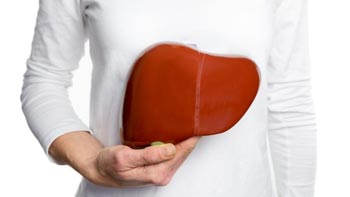


For those battling severe liver disease, a liver transplant can be a transformative solution, restoring health and vitality. Iran stands as a global leader in liver transplantation, offering cutting-edge medical expertise at a fraction of the cost found elsewhere. With hamintour, patients receive unparalleled support, from arranging travel and visas to connecting with Iran’s top transplant teams, ensuring a seamless and successful journey to recovery.
Why Choose Iran for Liver Transplants?
Iran has earned its place among the top 10 countries for liver transplants, pioneering the procedure in the Middle East with its first operation in Shiraz. The country’s medical infrastructure is renowned for its advanced technology and highly skilled transplant specialists, who perform thousands of successful procedures annually. hamintour enhances this experience by providing comprehensive medical tourism packages, making Iran an affordable and reliable destination for life-changing liver transplants.
Understanding Liver Transplants
A liver transplant involves replacing a diseased or failing liver with a healthy one from a donor, either deceased or living. The liver is a critical organ responsible for detoxifying the body, metabolizing nutrients, and producing essential proteins. When chronic conditions like cirrhosis or acute liver failure impair its function, a transplant becomes the only viable treatment. hamintour connects patients with Iran’s leading transplant centers, ensuring access to world-class care.
Who Needs a Liver Transplant?
Liver transplants are recommended for individuals with irreversible liver damage that cannot be managed with medication or other treatments. Conditions that may necessitate a transplant include:
-
Chronic hepatitis B or C
-
Alcoholic liver disease
-
Non-alcoholic fatty liver disease (NAFLD)
-
Primary liver cancers
-
Autoimmune hepatitis
-
Genetic disorders like Wilson’s disease or hemochromatosis
-
Biliary atresia (common in children)
-
Primary biliary cirrhosis or sclerosing cholangitis
Candidates must be healthy enough to undergo major surgery and typically under 70 years old. hamintour offers free consultations to assess eligibility and guide patients through the process in Iran.
Types of Liver Transplants
Iran’s transplant centers, partnered with hamintour, offer several types of liver transplants tailored to patient needs:
Orthotopic Liver Transplant
The most common type, this procedure uses a whole liver from a deceased donor who has no transmissible diseases. The surgeon removes the patient’s diseased liver and implants the donor liver, ensuring compatibility and optimal function.
Living-Donor Liver Transplant
In this procedure, a living donor—often a family member—donates a portion of their liver (left lobe for children, right lobe for adults). Both the donor’s and recipient’s liver segments regenerate within weeks, making this a highly effective option. hamintour ensures donors and recipients receive comprehensive care.
Split Liver Transplant
A deceased donor’s liver is divided into two parts to benefit an adult and a child. This maximizes the use of available organs and is ideal for pediatric cases, with hamintour coordinating the complex logistics.
Auxiliary Liver Transplant
This less common procedure retains part of the patient’s native liver, allowing for potential recovery or future treatments. It’s used in specific cases, such as metabolic liver diseases, and is expertly managed by hamintour’s partnered specialists.
The Liver Transplant Process
Pre-Transplant Assessment
Before being placed on a transplant waiting list, patients undergo a thorough evaluation lasting about 5 days. This includes:
-
Blood tests to assess liver and overall health
-
Imaging (X-rays, CT scans, ultrasounds)
-
Heart and lung function tests (ECG, spirometry)
-
Endoscopy to evaluate the digestive tract
-
Psychological and social evaluations
hamintour coordinates these assessments at Iran’s top transplant centers, ensuring a streamlined process and clear communication with the medical team.
The Surgery
Liver transplant surgery, which takes 4-12 hours, involves:
-
Making a Y-shaped incision across the abdomen.
-
Removing the diseased liver using the “piggyback” technique to preserve major veins.
-
Implanting the donor liver and connecting the portal vein, hepatic artery, and bile duct.
-
Closing the incision with meticulous care to promote healing.
hamintour’s partnered surgeons use advanced techniques, such as veno-venous bypass, to maintain stable blood flow during the procedure, reducing risks.
Post-Transplant Recovery
Post-surgery, patients spend a few days in the ICU for close monitoring, followed by 5-10 days in a hospital recovery unit. hamintour provides dedicated support, including:
-
Guidance on immunosuppressive medications to prevent rejection
-
Regular follow-ups to monitor liver function
-
Nutritional advice to support recovery
Patients must take anti-rejection drugs like tacrolimus or cyclosporine for life, along with other medications to manage side effects like high blood pressure or cholesterol.
Cost of Liver Transplants in Iran
Globally, liver transplants are expensive, averaging $577,000 in some countries, with costs reaching $200,000 in Australia or $300,000 in Singapore. In Iran, hamintour offers the same high-quality procedure for approximately $100,000, including pre- and post-operative care. This affordability, combined with Iran’s expertise, makes it a top choice for international patients.
Survival Rates and Outcomes
Approximately 75% of liver transplant recipients live at least five years post-surgery, with many surviving decades. hamintour’s partnered centers in Iran boast high success rates due to their experienced teams and rigorous protocols, ensuring optimal outcomes for patients.
Potential Risks and Complications
Like any major surgery, liver transplants carry risks, including:
-
Rejection of the donor liver
-
Bile duct leaks or narrowing
-
Blood clots or excessive bleeding
-
Infections or mental confusion
-
Recurrence of liver disease
hamintour’s comprehensive care minimizes these risks by connecting patients with multidisciplinary teams, including hepatologists, surgeons, and nutritionists.
Post-Transplant Lifestyle
To maintain a healthy liver, patients should:
-
Follow a low-fat, low-salt diet rich in lean proteins, fruits, vegetables, and whole grains.
-
Stay hydrated and avoid alcohol and grapefruit (which interacts with immunosuppressants).
-
Engage in light physical activity as advised by the medical team.
hamintour provides personalized dietary and lifestyle guidance to support long-term recovery.
Why hamintour?
hamintour is Iran’s premier medical tourism facilitator, offering:
-
End-to-End Support: From visa processing and airport transfers to hospital selection and follow-up care.
-
Expert Teams: Access to Iran’s top transplant surgeons and hepatologists.
-
Affordable Packages: High-quality care at a fraction of global costs.
-
Cultural Experience: Opportunities to explore Iran’s heritage during recovery.
With hamintour, patients experience a stress-free journey, knowing every detail is handled with care and precision.
Donor Eligibility and Evaluation
Living donors must be:
-
Aged 18-60, in good physical and mental health
-
Compatible in blood type and liver anatomy
-
Free from chronic diseases or substance abuse
Donors undergo rigorous testing, including blood work, imaging, and psychological evaluations, coordinated by hamintour to ensure safety for both donor and recipient.
Patient Success Stories
Patients worldwide have shared inspiring stories of their liver transplant journeys with hamintour. A Middle Eastern patient praised the affordability and expertise in Iran, while a European recipient highlighted the compassionate care and seamless logistics. These testimonials reflect why hamintour and Iran are trusted choices for life-saving transplants.
Frequently Asked Questions (FAQs)
-
What is a liver transplant, and who needs it?
A liver transplant replaces a diseased liver with a healthy one, typically for those with end-stage liver disease or acute liver failure. hamintour connects patients with expert teams in Iran. -
How much does a liver transplant cost in Iran?
Through hamintour, a liver transplant in Iran costs around $100,000, significantly less than the $200,000-$577,000 in other countries. -
What is the survival rate for liver transplants?
About 75% of patients live at least five years post-transplant, with many surviving longer, thanks to Iran’s skilled surgeons and hamintour’s care. -
Can children undergo liver transplants in Iran?
Yes, children with liver failure, often due to biliary atresia, can receive transplants, including living-donor procedures, coordinated by hamintour. -
How long is the wait for a liver transplant in Iran?
Waiting times average 149 days for adults and 86 days for children, with hamintour streamlining the process. -
What are the risks of liver transplant surgery?
Risks include rejection, bile duct issues, or infections, but hamintour’s expert teams minimize these through rigorous care. -
Who can be a living liver donor?
Donors must be 18-60, healthy, and have a compatible blood type. hamintour ensures thorough donor evaluations. -
What medications are required post-transplant?
Lifelong immunosuppressants like tacrolimus prevent rejection, with hamintour providing guidance on medication management. -
How does hamintour support international patients?
hamintour handles visas, travel, hospital selection, and follow-ups, ensuring a seamless experience in Iran. -
What lifestyle changes are needed after a liver transplant?
Patients should follow a low-fat, high-fiber diet, avoid alcohol, and stay hydrated, with hamintour offering tailored nutritional advice.