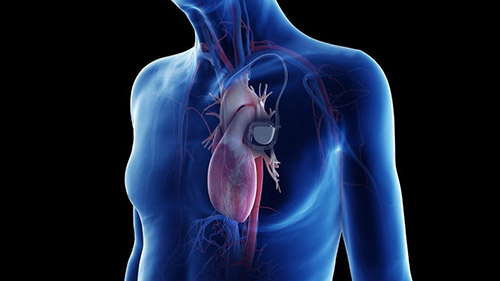


Heart pacemaker surgery implants a device to regulate irregular heartbeats, ensuring proper heart function and preventing life-threatening complications. In Iran, a global leader in cardiology, thousands of pacemaker procedures are performed annually with success rates exceeding 95%, as reported in recent medical journals. hamintour, a premier medical tourism facilitator, ensures a seamless experience, managing consultations, travel logistics, and post-operative care, while offering cultural tours to enrich recovery with visits to Iran’s historic landmarks.
Why Choose Iran for Pacemaker Surgery?
Iran ranks among the top 10 countries for cardiology, with world-class hospitals and surgeons trained at prestigious global institutions. Advanced facilities, including state-of-the-art electrophysiology labs, ensure precision and safety. The keyword “Iran” signifies exceptional value—pacemaker surgery costs $15,000, compared to $25,000-$57,000 in the US, $20,000-$40,000 in the UK, or $10,000-$20,000 in India, offering savings of up to 75%.
Iran’s hospitals feature International Patient Departments (IPDs) with cutting-edge monitoring systems and multilingual staff, ensuring comfort for international patients. The country’s safety, hospitality, and cultural richness, praised by travelers, enhance its appeal. hamintour elevates this with comprehensive packages, including visas, transfers, accommodations, and optional tours to sites like Tehran’s Golestan Palace or Isfahan’s Naqsh-e Jahan Square. Patient testimonials highlight this: a Middle Eastern patient regained stable heart rhythm, praising hamintour’s coordination, while a European patient combined recovery with a cultural tour, as featured in hamintour’s video stories.
What is Pacemaker Surgery?
Pacemaker surgery involves implanting a small device under the skin near the heart to regulate irregular heartbeats (arrhythmias) via electrical impulses. The device, consisting of a pulse generator and leads, stabilizes conditions like bradycardia (slow heartbeat), tachycardia (fast heartbeat), heart block, or cardiac arrest risks. In Iran, advanced programmable pacemakers ensure tailored treatment with high success rates.
When is Pacemaker Surgery Needed?
Surgery is recommended for conditions causing irregular heartbeats, including:
-
Bradycardia: Slow heart rate causing fatigue or dizziness.
-
Tachycardia: Fast heart rate leading to palpitations.
-
Heart Block: Disrupted electrical signals impairing heart function.
-
Cardiac Arrest Risk: Preventing sudden heart failure.
Symptoms include:
-
Exhaustion
-
Dizziness
-
Shortness of breath
-
Fainting or near-fainting
-
Chest pain
hamintour facilitates diagnostic tests to confirm the need for a pacemaker.
Medical Tests Before Pacemaker Surgery
To ensure suitability, tests include:
-
Echocardiogram: Assesses heart muscle size/thickness via ultrasound.
-
Electrocardiogram (ECG): Measures heart electrical activity.
-
Holter Monitoring: Tracks heart rhythm for 24-48 hours.
-
Stress Test: Evaluates heart response during exercise.
hamintour coordinates these tests to streamline preparation.
Preparation for Pacemaker Surgery
To ensure a smooth procedure:
-
Fast for 8-12 hours before surgery.
-
Inform doctors of medications, especially blood thinners, which may need to be stopped.
-
Avoid smoking and alcohol for 2 weeks prior.
-
Report any allergies to medications or anesthesia.
-
Arrange a caregiver for post-procedure support.
hamintour handles all logistics, including tests, visas, and airport transfers.
How is Pacemaker Surgery Performed in Iran?
The procedure, lasting 1-2 hours, involves:
-
Anesthesia: Local anesthesia keeps the patient awake but comfortable.
-
Incision: A 2-3 inch incision is made in the shoulder/chest area.
-
Lead Placement: Thin wires (leads) are guided through a vein near the collarbone to the heart, using X-ray imaging for precision.
-
Device Implantation: The pulse generator (battery and circuit) is placed under the skin and connected to the leads.
-
Testing and Closure: The pacemaker is tested to ensure proper function, and the incision is closed with stitches.
Iran’s hospitals use advanced X-ray guidance and programmable devices for optimal outcomes. hamintour partners with top surgeons for precision and safety.
Recovery and Aftercare
Recovery is quick:
-
Hospital Stay: 1-2 days for monitoring, with pain managed by medications.
-
Weeks 1-2: Avoid arm movements above shoulder level, heavy lifting, or pulling to protect the incision.
-
Weeks 2-4: Resume light activities like walking; normal activities (driving, work) typically resume in 2-4 weeks.
Aftercare tips:
-
Keep the incision clean/dry; follow bathing instructions (showers okay, pat dry).
-
Monitor for infection (redness, swelling, fever) or device issues (palpitations).
-
Take prescribed medications, including painkillers or antibiotics.
-
Avoid electromagnetic interference (e.g., MRI machines, strong magnets) unless the pacemaker is MRI-compatible.
hamintour provides tailored rehab plans, virtual follow-ups, and post-discharge support for 1 year.
Risks and Complications
Pacemaker surgery is safe, with complications under 3%. Potential risks include:
-
Bleeding or bruising at the incision site.
-
Infection around the device.
-
Allergic reaction to anesthesia.
-
Lead displacement or device malfunction.
-
Rare issues: Collapsed lung or heart puncture.
Iran’s surgeons use strict protocols and advanced monitoring to minimize risks. hamintour ensures access to experienced professionals.
Pacemaker and Lifestyle
-
Sex: Safe after 1-2 weeks, avoiding arm pressure during recovery. Pacemaker programming accounts for heart rate increases during activity.
-
Pregnancy: Pacemakers do not affect fertility or pregnancy; women can safely have children with medical guidance.
-
Work/Driving: Resume driving in 1-2 weeks and work in 2-4 weeks, depending on recovery and job demands.
Cost Comparison
Pacemaker surgery in Iran costs $15,000, covering all essentials, compared to $25,000-$57,000 in the US, $20,000-$40,000 in the UK, or $10,000-$20,000 in India. Savings of up to 75% make Iran highly cost-effective. hamintour offers transparent pricing, including travel, accommodation, and interpreter services.
Why Choose hamintour?
hamintour transforms pacemaker surgery in Iran into a seamless experience, handling visas, hospital bookings, transfers, interpreters, and SIM cards. With no waiting lists, procedures are scheduled within days. Optional cultural tours to sites like Mashhad’s Imam Reza Shrine or Yazd’s ancient temples enhance recovery. Post-procedure virtual consultations ensure ongoing care, making Iran a top choice for pacemaker surgery.
Is Pacemaker Surgery in Iran Worth It?
With a 95%+ success rate, pacemaker surgery in Iran stabilizes heart rhythm, prevents complications, and enhances quality of life at unmatched affordability. hamintour’s comprehensive services make it a valuable and stress-free investment.
Frequently Asked Questions
-
Why is Iran ideal for pacemaker surgery?
Iran offers advanced hospitals, expert surgeons, and costs up to 75% lower than Western countries, with success rates above 95%. -
How does hamintour assist with pacemaker surgery in Iran?
hamintour manages visas, bookings, transfers, interpreters, and aftercare, offering cultural tours for a seamless experience. -
What is the cost of pacemaker surgery in Iran?
It costs around $15,000, far less than $25,000-$57,000 in the US or $20,000-$40,000 in the UK. -
Is pacemaker surgery safe in Iran?
Yes, with a 95%+ success rate and advanced protocols, Iran minimizes risks like infection or device issues. -
When is pacemaker surgery needed?
For irregular heartbeats (bradycardia, tachycardia, heart block) causing dizziness, fatigue, or cardiac arrest risk. -
How is pacemaker surgery performed in Iran?
A 1-2 hour procedure under local anesthesia implants a device to regulate heartbeats, using X-ray guidance. -
How long is recovery after pacemaker surgery in Iran?
Hospital stay of 1-2 days, with full recovery in 2-4 weeks, supported by hamintour’s rehab plans. -
What preparations are needed for pacemaker surgery?
Tests, stopping smoking, and arranging support, all coordinated by hamintour. -
What post-operative care is essential?
Keep incisions clean, take medications, and avoid electromagnetic interference, with hamintour’s virtual support. -
Can I combine pacemaker surgery with tourism in Iran?
Yes, hamintour arranges cultural tours to historic sites, enhancing recovery with unique experiences.