

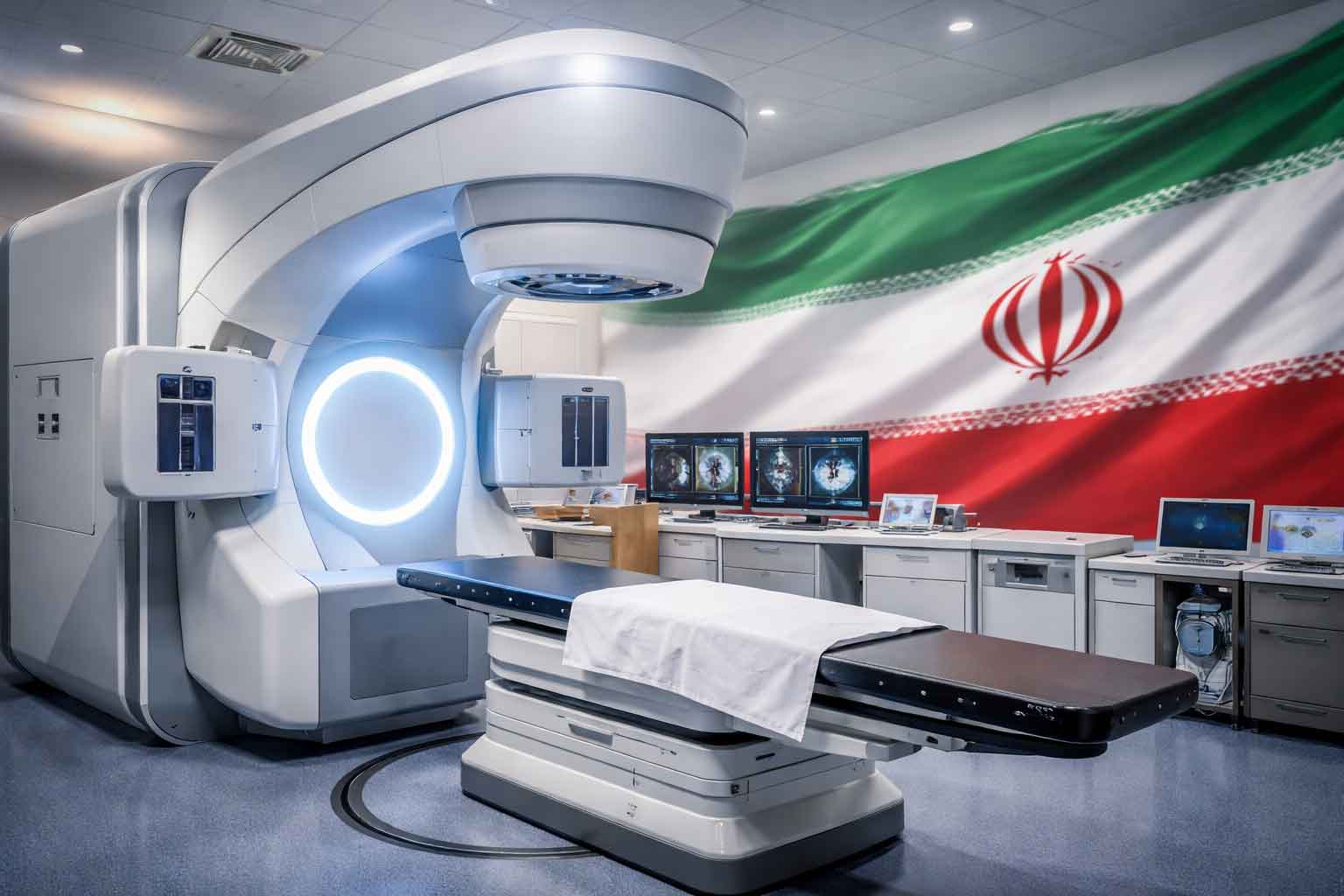

Advanced Radiation Therapy Technologies and Expertise
Radiotherapy in Iran has become one of the most important pillars of modern cancer treatment, playing a critical role in both curative and palliative oncology care. Over the past two decades, significant investments in medical infrastructure, technology, and specialist training have transformed Iran into a regional leader in radiation oncology. Today, radiotherapy in Iran combines advanced technology, experienced radiation oncologists, and cost-effective treatment models, making it an attractive option for both local and international patients.
This comprehensive article provides an in-depth look at radiotherapy in Iran, including available technologies, treatment processes, cancer types treated, safety standards, costs, patient experience, and the country’s growing role in medical tourism.
The Role of Radiotherapy in Modern Cancer Treatment
Radiotherapy is used in the treatment of more than half of all cancer patients at some stage of their disease. In Iran, radiotherapy is an integral component of multidisciplinary cancer care, often used alongside surgery, chemotherapy, targeted therapy, and immunotherapy.
Radiotherapy works by using high-energy radiation to damage the DNA of cancer cells, preventing them from dividing and causing tumor shrinkage or complete eradication. Depending on the cancer type and stage, radiotherapy may be used as:
- A primary treatment for localized cancers
- An adjuvant treatment after surgery to reduce recurrence
- A neoadjuvant treatment to shrink tumors before surgery
- A palliative treatment to relieve pain and symptoms in advanced cancer
Iranian oncology teams follow international clinical guidelines to determine the most effective use of radiotherapy for each patient.
Radiotherapy Technologies Available in Iran
Radiotherapy centers in Iran are equipped with modern linear accelerators and advanced treatment planning systems that meet global standards. These technologies allow precise tumor targeting while minimizing radiation exposure to surrounding healthy tissues.
Three-Dimensional Conformal Radiotherapy
Three-dimensional conformal radiotherapy uses detailed imaging to shape radiation beams according to the exact size and location of the tumor. This technique improves treatment accuracy compared to older methods and is widely used in Iran for various solid tumors.
Intensity-Modulated Radiotherapy
Intensity-modulated radiotherapy is one of the most advanced and commonly used techniques in Iran. It allows radiation intensity to be adjusted within each beam, delivering higher doses to the tumor while protecting nearby organs. This method is particularly effective for head and neck cancers, prostate cancer, and gynecological tumors.
Volumetric Modulated Arc Therapy
Volumetric modulated arc therapy delivers radiation continuously as the machine rotates around the patient. This technique shortens treatment time, improves dose distribution, and reduces side effects. Many radiotherapy centers in Iran use this technology to enhance patient comfort and treatment precision.
Stereotactic Radiosurgery and Stereotactic Body Radiotherapy
Stereotactic radiosurgery and stereotactic body radiotherapy deliver very high doses of radiation in a limited number of sessions with extreme precision. These techniques are commonly used in Iran for brain tumors, spinal tumors, and small lung lesions.
Types of Cancer Treated with Radiotherapy in Iran
Radiotherapy in Iran is used to treat a wide range of cancers, either alone or in combination with other therapies. Common indications include:
- Breast cancer
- Prostate cancer
- Lung cancer
- Head and neck cancers
- Brain tumors
- Gastrointestinal cancers
- Gynecological cancers
- Skin cancers
Treatment plans are individualized based on tumor characteristics, stage of disease, and patient health status.
Radiotherapy Treatment Process in Iran
The radiotherapy process in Iran follows a structured and patient-centered approach designed to maximize effectiveness and safety.
Initial Consultation
Patients first meet with a radiation oncologist who reviews medical records, imaging studies, and pathology reports. The oncologist explains the role of radiotherapy, expected outcomes, and potential side effects.
Simulation and Treatment Planning
Advanced imaging techniques such as CT simulation and MRI are used to map the tumor and surrounding organs. Medical physicists and radiation oncologists collaborate to design a precise treatment plan using specialized software.
Treatment Delivery
Radiotherapy is usually delivered over several sessions, depending on the cancer type and protocol. Each session is painless and typically lasts only a few minutes. Patients are closely monitored throughout the treatment course.
Follow-Up and Monitoring
After completing radiotherapy, patients receive regular follow-up visits to assess treatment response and manage side effects. Long-term monitoring helps ensure early detection of recurrence or complications.
Safety and Quality Assurance in Iranian Radiotherapy Centers
Safety and precision are top priorities in radiotherapy centers in Iran. Strict quality assurance protocols are implemented to ensure accurate dose delivery and patient safety.
Key safety measures include:
- Image-guided radiotherapy for precise tumor localization
- Regular calibration of linear accelerators
- Continuous monitoring by medical physicists
- Adherence to international radiation safety standards
These measures significantly reduce the risk of side effects and improve treatment outcomes.
Side Effects and Supportive Care
Like all cancer treatments, radiotherapy may cause side effects depending on the treated area and radiation dose. Common side effects include fatigue, skin irritation, and localized discomfort.
Radiotherapy centers in Iran provide comprehensive supportive care services to help patients manage side effects. These services include:
- Symptom management and pain control
- Nutritional counseling
- Psychological support
- Patient education programs
Supportive care plays a vital role in maintaining quality of life during and after treatment.
Cost of Radiotherapy in Iran
One of the major advantages of radiotherapy in Iran is affordability. Treatment costs are significantly lower compared to many Western and regional countries, while maintaining high standards of care.
Factors influencing cost include:
- Type of radiotherapy technique used
- Number of treatment sessions
- Cancer type and complexity
- Hospital or treatment center
Lower costs make radiotherapy in Iran accessible to a broader range of patients, including those seeking treatment abroad.
Radiotherapy in Iran and Medical Tourism
Iran has emerged as a growing destination for medical tourism, particularly in oncology and radiotherapy. International patients benefit from advanced treatment options, experienced specialists, and comprehensive support services.
Many radiotherapy centers offer international patient departments that assist with:
- Treatment coordination before arrival
- Visa and travel arrangements
- Accommodation and transportation
- Language interpretation
This structured approach ensures a smooth and stress-free experience for foreign patients.
Future of Radiotherapy in Iran
The future of radiotherapy in Iran looks promising, with ongoing investments in technology, training, and research. Iranian oncology centers continue to adopt newer techniques and participate in international collaborations.
Advancements in precision medicine, artificial intelligence in treatment planning, and personalized radiotherapy protocols are expected to further improve outcomes and patient satisfaction.
Conclusion
Radiotherapy in Iran represents a powerful combination of advanced technology, skilled radiation oncologists, strict safety standards, and cost-effective care. As a core component of comprehensive cancer treatment, radiotherapy plays a crucial role in improving survival rates and quality of life for cancer patients.
With its modern infrastructure, experienced medical teams, and patient-centered approach, Iran continues to strengthen its position as a reliable and competitive destination for high-quality radiotherapy and cancer care.