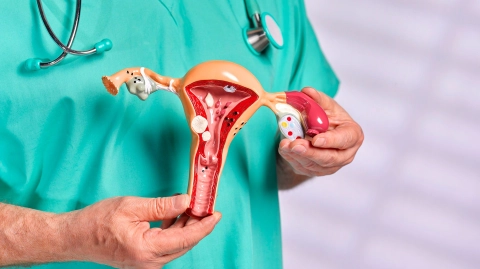


Introduction to Pelvic Prolapse Conditions
Pelvic organ prolapse happens when the muscles and tissues in the pelvic area weaken. This allows organs like the uterus or bladder to drop from their normal position. It is common in women, especially after childbirth or with age. Many women feel discomfort but find relief through proper care.
In Iran, medical experts handle these issues with care and skill. The country has modern clinics and trained doctors who focus on women’s health. Hamintour, a trusted company in medical tourism in Iran, guides patients through the process. They arrange visits to top hospitals and ensure smooth travel.
Prolapsed uterus, also called uterine prolapse, occurs when the uterus slips into the vagina. Bladder prolapse, known as cystocele, is when the bladder bulges into the front vaginal wall. Both can cause pain, trouble with urination, or a feeling of pressure. Early treatment helps avoid worse problems.
Iran stands out for its blend of advanced medicine and affordable options. Patients from nearby countries often choose it for quick and effective care. Hamintour makes the experience simple by connecting you with specialists who speak multiple languages.
Understanding Prolapsed Uterus: Causes and Symptoms
The uterus is held in place by strong ligaments and muscles. When these weaken, the uterus can descend. Common causes include multiple pregnancies, heavy lifting, or menopause. Obesity and chronic coughing also play a role.
Symptoms vary but often include a bulge in the vagina, back pain, or spotting. Some women notice pain during sex or trouble passing stool. In mild cases, no treatment is needed. But moderate to severe cases benefit from medical help.
Doctors in Iran use simple exams to diagnose this. They check the pelvic area during a routine visit. Imaging tests like ultrasound may confirm the issue. Hamintour helps schedule these checks fast, so you start treatment soon.
Lifestyle changes like weight management aid prevention. Yet, for many, surgery restores normal function. Iran’s experts excel in these procedures, offering high success rates.
Bladder Prolapse Explained: Signs and Diagnosis
Bladder prolapse affects the front wall of the vagina. The bladder pushes down due to weak support tissues. It often links to vaginal births or aging. Constipation or straining can worsen it.
Key signs are urinary leaks, frequent infections, or incomplete emptying. You might feel heaviness in the pelvis. In advanced stages, it impacts daily tasks like walking.
Diagnosis starts with a pelvic exam. Doctors measure the prolapse stage using standard tools. In Iran, clinics like those partnered with Hamintour use precise methods for accurate results.
Non-invasive tests check bladder function. This ensures the right plan. Hamintour coordinates these steps, reducing wait times common elsewhere.
Non-Surgical Options for Managing Prolapse in Iran
Not all cases need surgery. Pessaries, small devices fitted into the vagina, support organs. They suit women who avoid operations or plan future pregnancies. Iranian clinics fit them comfortably during a quick visit.
Pelvic floor exercises strengthen muscles. Kegels, done daily, improve symptoms over time. Therapists in Iran guide sessions, often included in Hamintour packages.
Weight loss and diet changes help too. Avoiding heavy lifts prevents strain. Hamintour offers wellness tips alongside medical care, promoting full recovery.
Hormone therapy eases menopause-related weakness. Creams or pills restore tissue strength. These options make Iran a flexible choice for gentle treatments.
| Non-Surgical Option | How It Helps | Availability in Iran |
|---|---|---|
| Pessary Use | Supports organs without cuts | Common in women’s clinics |
| Pelvic Exercises | Builds muscle strength | Guided by experts |
| Hormone Therapy | Improves tissue health | Affordable prescriptions |
Surgical Treatments for Prolapsed Uterus in Iran
Surgery fixes the uterus position or removes it if needed. Hysterectomy, uterus removal, is common for severe cases. Vaginal or laparoscopic methods minimize scars.
Uterosacral ligament suspension lifts the uterus without removal. It’s ideal for those wanting to keep fertility. Iranian surgeons perform it with precision.
Recovery takes 4-6 weeks. Patients rest with light activity. Hamintour provides post-op support, including follow-ups.
Iran’s hospitals use advanced tools for safety. Success rates exceed 90% in top centers.
Effective Bladder Prolapse Repairs Available in Iran
For bladder issues, anterior colporrhaphy repairs the vaginal wall. Mesh may reinforce it for lasting hold. Laparoscopic approaches speed healing.
Sling procedures support the bladder neck, fixing leaks. They combine well with prolapse fixes.
Iranian teams tailor plans to your needs. Hamintour ensures English-speaking staff for clear talks.
Most return home in 1-2 weeks. Hamintour arranges comfortable stays during recovery.
| Surgical Type | Procedure Focus | Recovery Time |
|---|---|---|
| Colporrhaphy | Wall repair | 4-6 weeks |
| Sling Surgery | Leak prevention | 2-4 weeks |
| Laparoscopic | Minimally invasive | 1-2 weeks |
Why Iran Excels in Pelvic Prolapse Care
Iran’s healthcare shines in gynecology. Over 80 specialized centers offer prolapse treatments. Doctors train globally, bringing top skills home.
Short waits mean faster relief. Unlike long lines abroad, appointments happen quickly. Hamintour streamlines this for international guests.
Cultural respect ensures privacy. Women receive compassionate care in familiar settings.
Natural recovery aids like hot springs complement treatments. Hamintour includes optional wellness trips.
Top Hospitals and Clinics for Prolapse Treatment in Iran
Tehran hosts leading spots like Imam Khomeini Hospital. It specializes in pelvic disorders with expert teams.
In Mashhad, Ghaem Hospital offers advanced diagnostics. Razavi Hospital in the same city focuses on women’s health.
Shiraz’s centers like Namazi Hospital provide full services. Hamintour partners with these for seamless access.
These facilities meet global standards. Clean rooms and modern gear ensure safety.
| Hospital Name | Location | Key Strength |
|---|---|---|
| Imam Khomeini | Tehran | Pelvic floor expertise |
| Ghaem Hospital | Mashhad | Diagnostic accuracy |
| Razavi Hospital | Mashhad | Women’s health focus |
| Namazi Hospital | Shiraz | Comprehensive care |
The Role of Hamintour in Your Treatment Journey
Hamintour leads in medical tourism in Iran. They handle visas, travel, and clinic bookings. From airport pickups to hotel stays, everything is covered.
Personal coordinators track your progress. They translate documents and join consultations.
Hamintour chooses vetted hospitals for quality. Past patients praise their support.
With Hamintour, focus on healing, not logistics.
Cost Comparison: Iran vs. Turkey, Europe, and USA
Iran offers huge savings. Uterus prolapse surgery costs $2,500-$4,000 here. In Turkey, it’s $5,500-$7,000. Europe hits $10,000-$15,000, and USA $20,000+.
Bladder repair in Iran: $2,000-$3,500. Turkey: $4,000-$6,000. Europe: $8,000-$12,000. USA: $15,000-$25,000.
These include hospital fees but exclude travel. Iran’s lower living costs add value.
No insurance hassles; packages cover most needs. Hamintour quotes transparently.
| Procedure | Iran (USD) | Turkey (USD) | Europe (USD) | USA (USD) |
|---|---|---|---|---|
| Uterus Prolapse Surgery | 2,500-4,000 | 5,500-7,000 | 10,000-15,000 | 20,000+ |
| Bladder Repair | 2,000-3,500 | 4,000-6,000 | 8,000-12,000 | 15,000-25,000 |
Key Advantages of Choosing Iran for Prolapse Treatment
Affordability tops the list. Save 70-80% versus West. Quality matches global levels.
Skilled surgeons perform thousands yearly. Low infection rates show expertise.
Quick access avoids delays. Travel from Middle East is easy.
Combine care with culture. Visit historic sites post-recovery. Hamintour plans balanced trips.
Privacy and respect suit sensitive issues. English services ease communication.
| Advantage | Benefit in Iran |
|---|---|
| Low Costs | Up to 80% savings |
| Expert Doctors | Global training, high volume |
| Fast Appointments | No long waits |
| Cultural Comfort | Respectful, familiar care |
| Recovery Options | Natural spots for healing |
Preparing for Your Trip: What to Expect
Start with a virtual consult via Hamintour. Share records for review.
Pack light clothes and meds. Visa processes are simple for medical visits.
Arrive for pre-op checks. Stay in partnered hotels near clinics.
Post-surgery, rest with guided walks. Hamintour monitors till discharge.
Follow-up via video ensures ongoing care.
Recovery and Aftercare After Prolapse Surgery in Iran
Healing varies by procedure. Laparoscopic types allow home in days.
Avoid lifts for 6 weeks. Eat fiber-rich foods to prevent strain.
Pain meds and ice help swelling. Hamintour supplies kits.
Physio sessions build strength. Most resume work in 2-4 weeks.
Long-term, maintain weight and exercises. Iran’s follow-up keeps you on track.
Success Stories from Patients Treated in Iran
Many women share positive tales. One from Iraq fixed her uterus prolapse in Tehran. “Hamintour made it effortless; I’m pain-free now.”
A European patient praised bladder repair in Shiraz. “Costs were low, care top-notch. Back to hiking!”
These stories highlight real results. Hamintour collects feedback for trust.
Frequently Asked Questions
1. What causes prolapsed uterus or bladder in women?
Weak pelvic muscles from childbirth, aging, or strain often cause it. Obesity or chronic cough adds risk. Doctors in Iran assess personal factors.
2. How is prolapse diagnosed in Iranian clinics?
A pelvic exam measures descent. Ultrasound or urodynamics check function. Hamintour arranges quick, accurate tests.
3. Are non-surgical treatments effective for prolapse?
Yes, pessaries and exercises help mild cases. They support organs and strengthen tissues. Iranian therapists guide proper use.
4. What types of surgery fix uterine prolapse?
Hysterectomy or ligament suspension are common. Laparoscopic methods reduce recovery time. Iran’s experts choose the best fit.
5. How long does bladder prolapse surgery take?
It lasts 1-2 hours. Most go home same day or next. Hamintour supports during short stays.
6. Is prolapse treatment in Iran safe for older women?
Yes, tailored plans consider age. Low risks with skilled teams. Many over 60 recover well.
7. Can I travel alone for treatment through Hamintour?
Hamintour offers full support, but companions are welcome. They handle all details for peace of mind.
8. What follow-up is needed after surgery in Iran?
Video calls and local checks ensure healing. Hamintour coordinates long-term care.
9. Does insurance cover prolapse treatment abroad?
Some do; check policies. Iran’s low costs often make it affordable out-of-pocket.
10. How does Iran’s care compare to home countries?
Higher savings, same quality. Shorter waits and personal attention stand out, per patient reviews.