


A clear guide to second nose surgery
Revision Rhinoplasty in Iran
When your first nose surgery has left you with a breathing problem, an appearance you did not expect, or both, the next step deserves more thought than simply booking another operation. This guide explains how to evaluate revision surgery in Iran, what an honest quote should include, and how to plan safe follow-up from another country.
Explore costsView real cases
First, name the problem you want to solve
Revision rhinoplasty is surgery on a nose that has already undergone rhinoplasty. A second operation might address a visible change, a blocked airway, a collapsed nasal valve, asymmetry, a persistent bump, a pinched tip or loss of support. Sometimes the concern is a combination. The consultation should separate the appearance you dislike from the function you need restored. That distinction affects examination, technique and the definition of a useful outcome. The American Society of Plastic Surgeons (ASPS) explains corrective rhinoplasty as surgery that can address both aesthetic and structural problems.
Do not assume every early irregularity requires a new operation. Swelling, scar maturation and changing tip definition can take many months. An ASPS recovery guide says a final contour can take up to a year, while healing after complex revision can last longer. A surgeon can evaluate urgent breathing or infection concerns promptly, but elective reoperation should be timed to the actual healing and tissue condition, not to a fixed travel date. Read the ASPS recovery guidance.
If this would be your first operation, begin with our primary rhinoplasty in Iran guide. Revision demands a different discussion because previous incisions, scar tissue and missing cartilage can restrict the choices available.
Why consider Iran for a revision?
For an international patient, the case for Iran is practical only when a suitable surgeon, appropriate operating facility, credible plan and workable travel arrangements come together. Tehran offers multiple surgeons who publicly show nasal surgery work, and an international patient may be able to compare more than one consultation before committing. An advertised price does not establish suitability or predict an outcome.
Ask every provider to identify the surgeon who will personally operate, the hospital or surgical centre, the anesthesia provider, the plan for graft harvesting if needed and the person responsible for an unexpected complication. Compare written proposals on those points. Our rhinoplasty clinics and surgeons research can help you build a shortlist, but its listings are not a substitute for an individual assessment.
Travel feasibility matters as much as the procedure. Check your own government’s current Iran advice, entry rules and airline options before paying a deposit. For example, the UK Foreign, Commonwealth & Development Office travel advice currently warns British nationals against travel; it also publishes entry requirements. Advice varies by nationality and changes. A medically promising plan may still be the wrong plan for someone who cannot travel safely or return for review.
Who may be a candidate?
Functional concern
Persistent obstruction after surgery deserves examination of the septum, turbinates and nasal valves. The AAO-HNS rhinoplasty guideline emphasizes assessment of form and function before an operation.
Structural concern
A depressed bridge, weak tip, asymmetry or excessive removal of tissue may call for support or reconstruction. The operating surgeon must decide whether a cartilage graft is needed and where it could be taken from.
Expectations and readiness
You should be medically fit for surgery, understand the limits created by earlier operations and be ready for a long healing period. If your main aim is perfection or a guaranteed match to a picture, pause for another consultation.
Not every problem needs a full revision. Some people may benefit from observation, non-surgical treatment or a limited correction, but these options have their own limits and risks. Infection, rapidly worsening pain, significant bleeding or serious breathing difficulty calls for prompt local medical care rather than an online cosmetic quote. A licensed clinician must decide which path is appropriate.
How to select a revision surgeon in Tehran
Start with registration and scope of practice. The Iran Medical Council member search lets you check a doctor’s professional listing. A listing confirms the published registration information; it does not measure outcomes, bedside manner or revision experience. Ask the surgeon how many cases like yours they personally manage, whether the examples shown are actual revisions, and what they would do if an airway or graft problem is found during surgery.
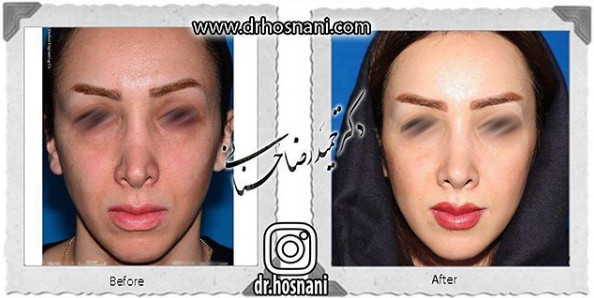
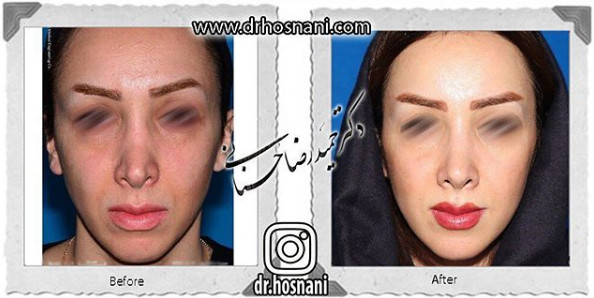
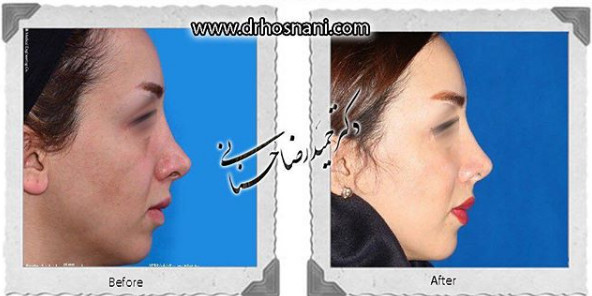
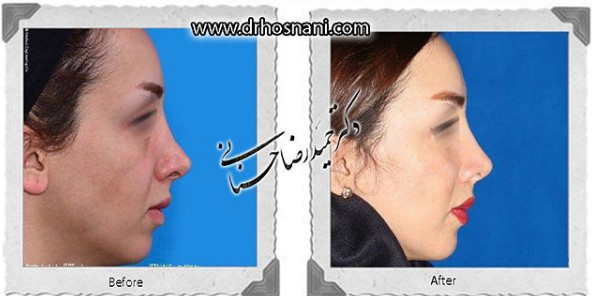
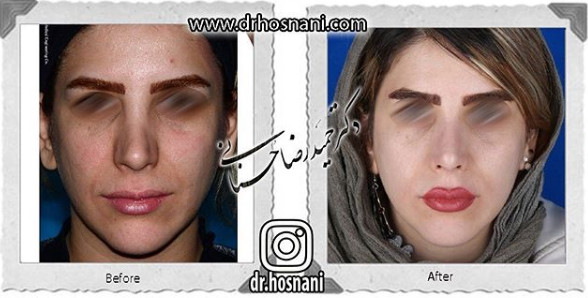
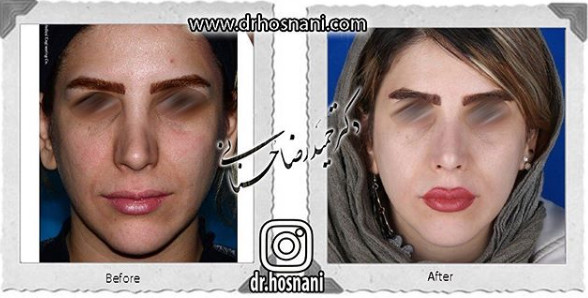
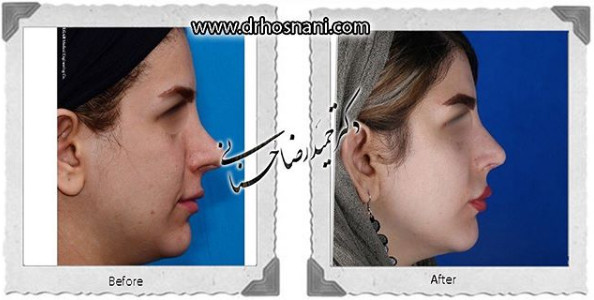
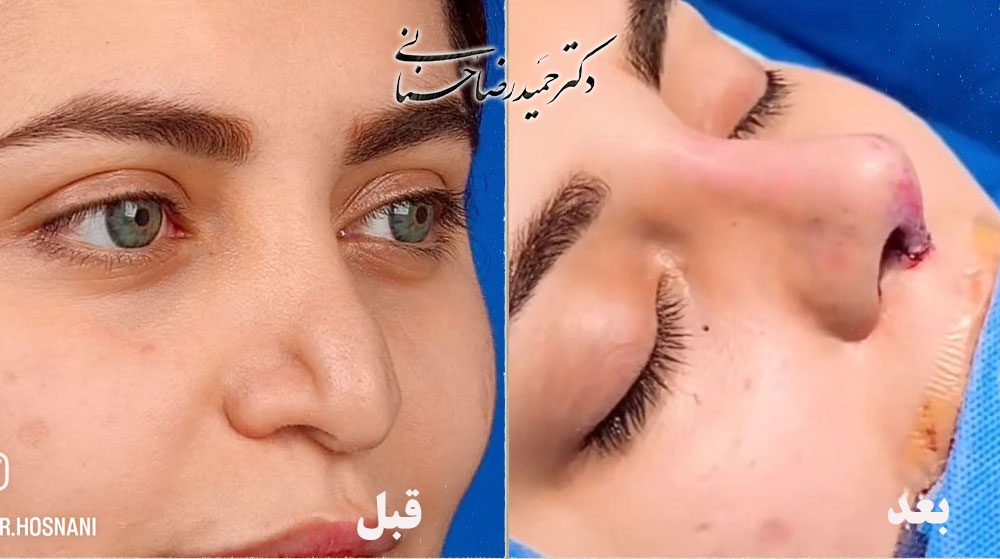
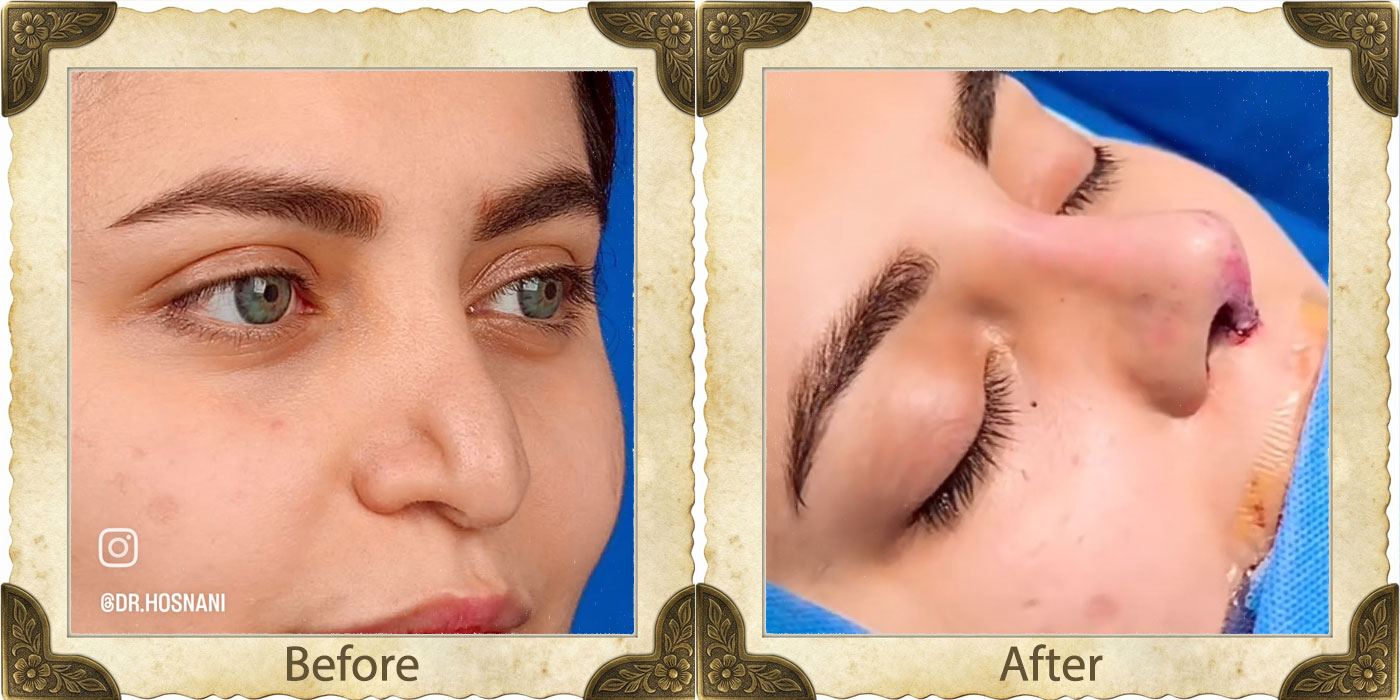
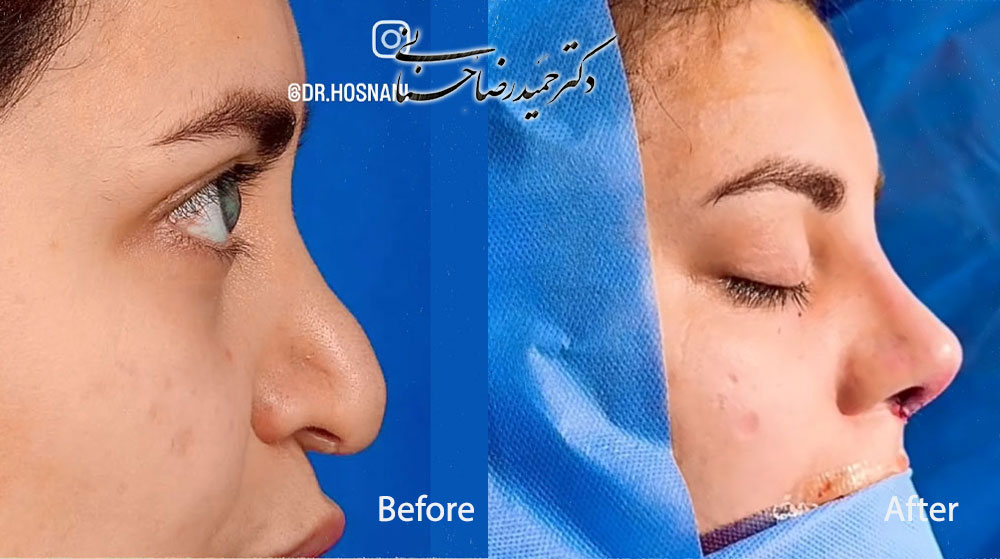
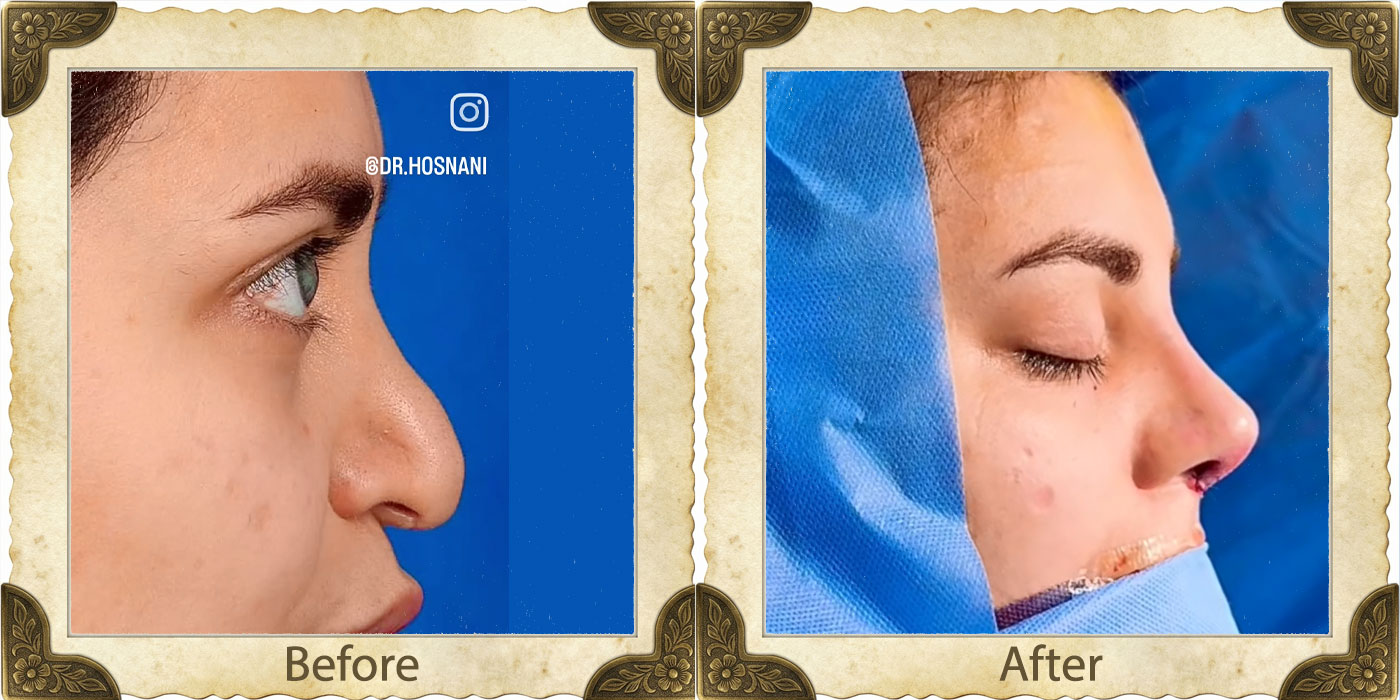
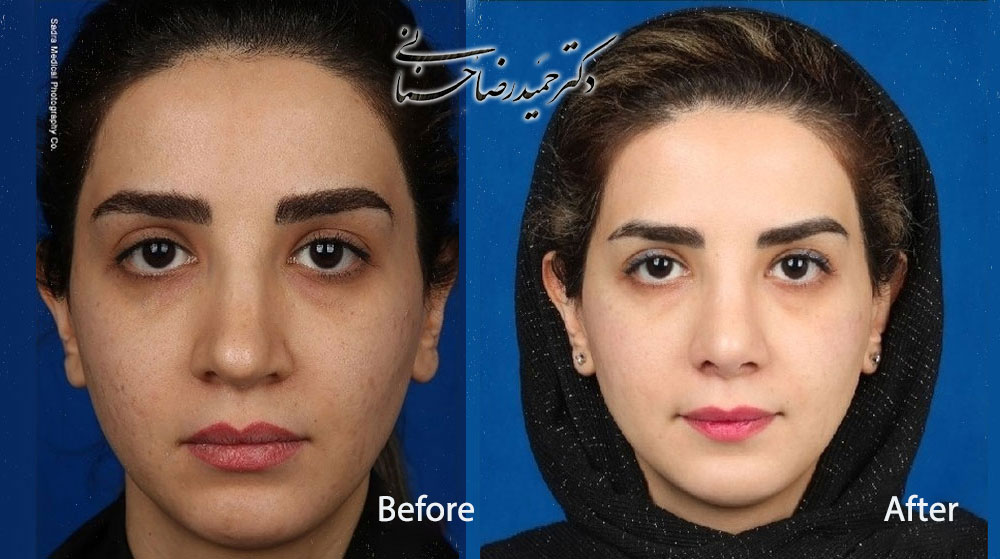
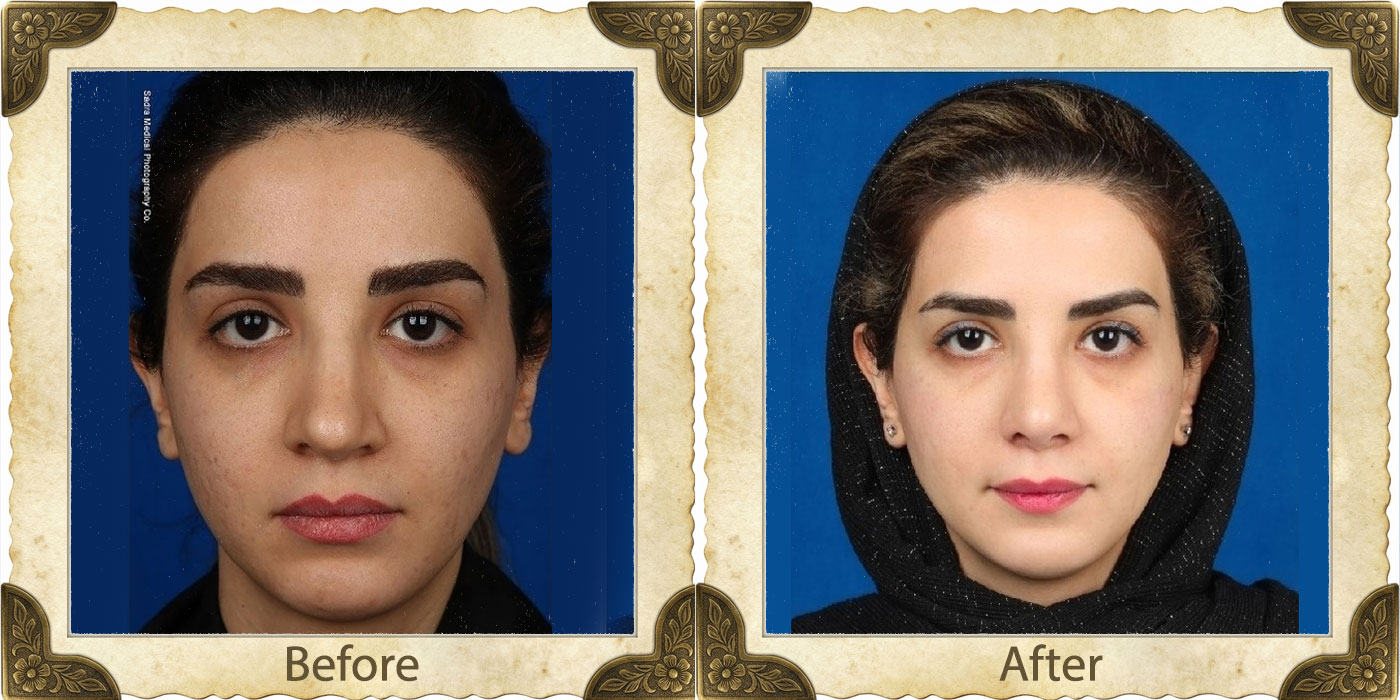
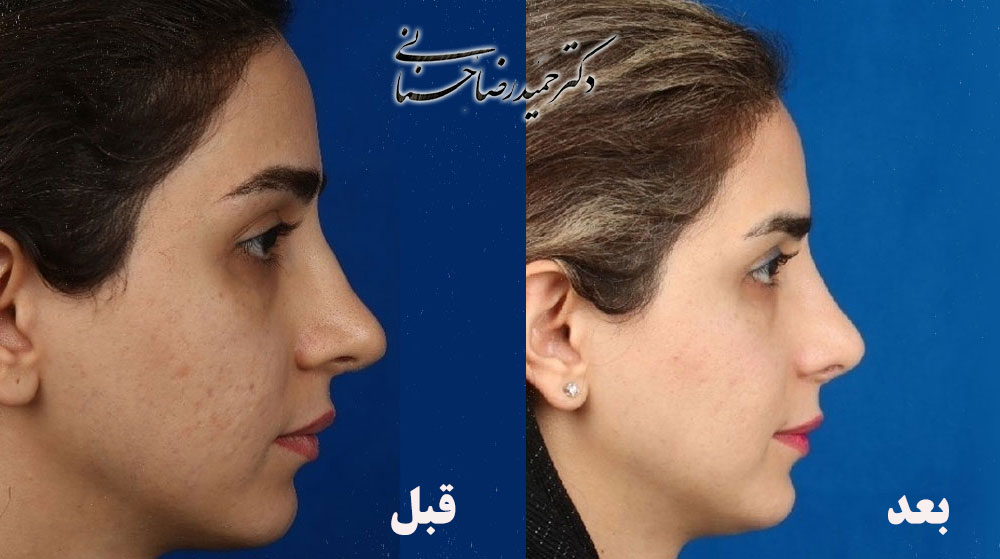
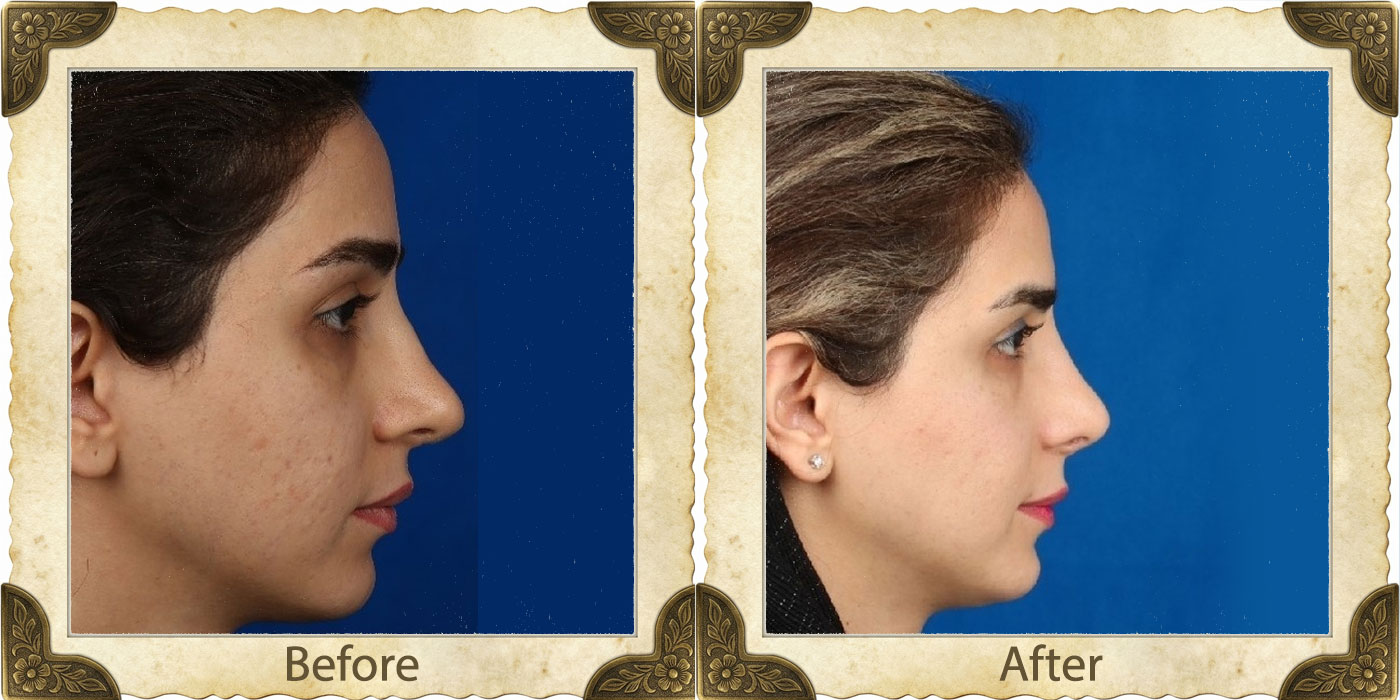
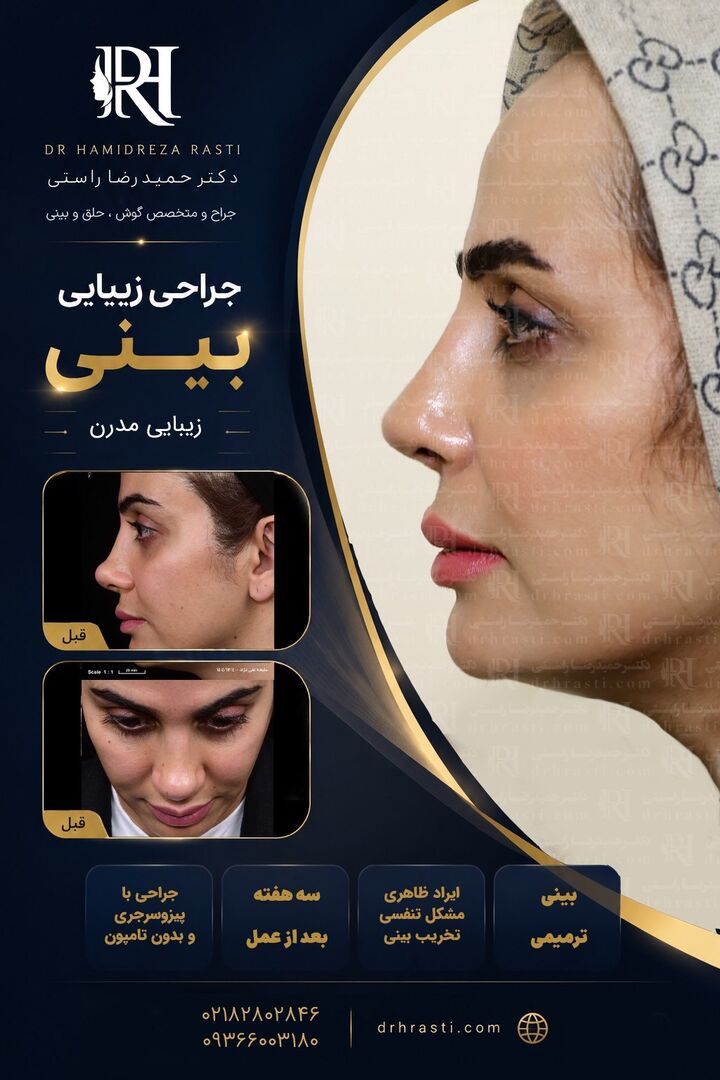
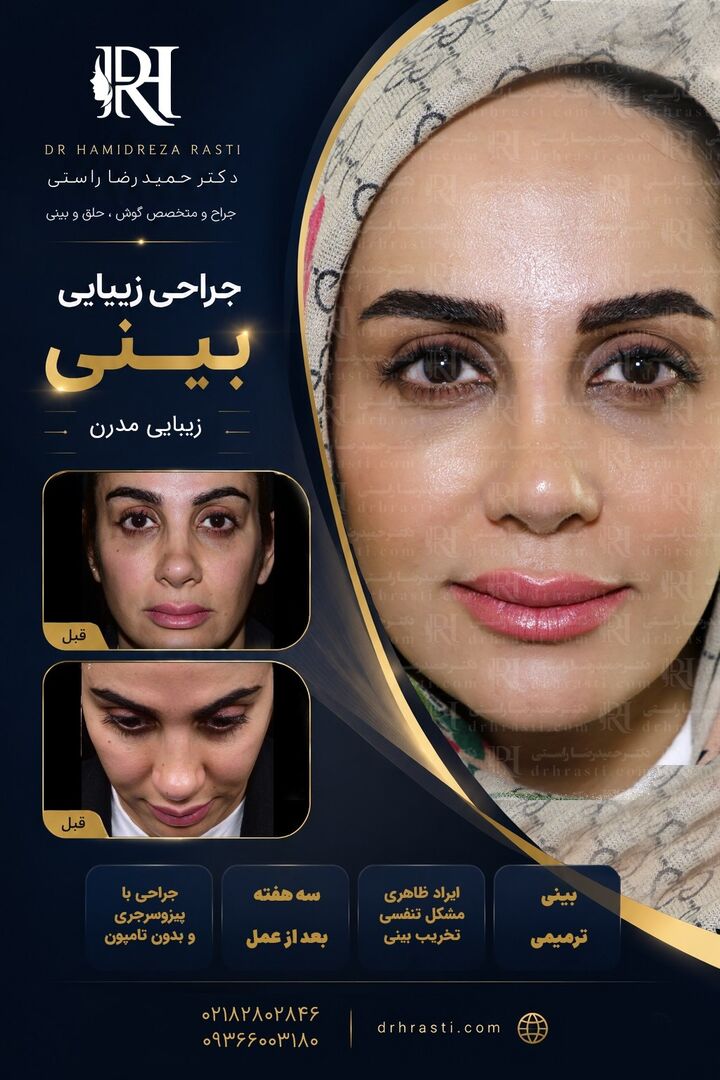
Two Tehran surgeons with publicly labelled revision examples are Dr Hamidreza Hosnani (Iran Medical Council profile, no. 78784) and Dr Hamidreza Rasti (Iran Medical Council profile, no. 163178). Their inclusion here documents a source for the case gallery below, not a ranking or a recommendation for your surgery. Request their current facility and procedure details directly. The Hosnani revision gallery and Rasti gallery show examples, but photos alone cannot verify complication rates.
| What to verify | What to request | Why it matters |
|---|---|---|
| Doctor registration | Direct Medical Council profile and registration number | Confirms the identity and published professional details |
| Case-specific experience | Several comparable revision cases, including different views and longer follow-up | A generic rhinoplasty gallery may be misleading |
| Airway assessment | Documented exam of septum, turbinates and valves | Aesthetic changes must not ignore breathing |
| Facility | Name, address, licensing details and anesthesia plan | Identifies where and by whom surgery happens |
| Contingency plan | After-hours contact, urgent review and revision/complication policy | Problems cannot wait for a marketing representative |
Ask for your first operation note if available, pre-operative and recent photographs, details of any septal surgery, imaging only if your clinician requests it, allergies and an accurate medication list. A serious consultation should discuss what cannot be achieved. The ASPS guide to choosing a corrective rhinoplasty surgeon advises looking for long-term case photos and a plan tailored to the patient.
What a revision may involve
Open and closed approaches
A closed approach uses incisions inside the nostrils. An open approach also uses a small external columellar incision to expose the framework. The choice depends on the actual anatomy, scarring, visibility needed and surgeon judgement. A complex reconstruction often needs more access, but “open” and “closed” are not quality labels. Ask why the chosen approach fits your problem. ASPS describes both approaches.
Cartilage and structural support
If the original operation removed or weakened support, a surgeon may discuss cartilage from the remaining septum, ear or rib. Each option involves a different donor-site trade-off and cannot be chosen responsibly from photographs alone. Ask which structures need rebuilding, whether a graft is essential, where it would come from and how a donor site will be cared for. The ASPS corrective-techniques overview explains why revisions can be more involved than first surgery.
Revision can also involve correcting a crooked septum, supporting a weak valve or adjusting a scarred tip. The surgeon should explain the limits of skin thickness and scarring in plain language. Computer simulation can be a communication aid, but it is not a promise of the final result. If you are offered a tiny “touch-up” without a nasal examination, seek another opinion.
Revision rhinoplasty costs in Iran
There is no single reliable international-patient tariff. Public English-language medical-tourism listings show a broad spread, and many advertised figures are starting prices rather than all-inclusive quotes. Treat the following as a budgeting guide in US dollars, not as a Hamintour dataset or a price you can book. Revision severity, graft needs, facility charges, anesthesia, overnight care and travel services change the final amount.
| Budget item | Indicative USD | Clarify before booking |
|---|---|---|
| Revision rhinoplasty procedure or advertised package | About $1,500–$3,500+ | Does it include surgeon, anesthesia, operating room and follow-up? |
| Complex reconstruction or additional grafting | Individual quote required | Is ear/rib harvest, donor-site care and extra theatre time included? |
| Accommodation, flights and transfers | Individual travel budget | What changes if you need to stay longer? |
| Complication or later revision care | Confirm separately | Who pays for emergency evaluation, hospitalization or new travel? |
Figures are approximate public advertised prices, not verified Hamintour patient quotations. Price-source names: MedPalTrip, ArianMedTour, Pars Med Travel. Prices and package inclusions change; request a written USD quote from the treating provider and ask Hamintour Medical to help compare it. No cross-country price comparison is implied.
A good quote separates the surgeon’s fee, facility and anesthesia charges, tests, medication, garments or splints, interpretation, hotel, transfers and follow-up. Ask whether payment is in USD or local currency, when it is due, what refund rules apply, and whether your card will work locally. Do not travel on a price that has not been connected to your records and surgeon’s plan. Insurance often excludes elective cosmetic surgery; check your own policy for complications abroad. The CDC medical-tourism guidance recommends checking coverage and planning aftercare before travel.
Request Your Free Consultation
Get a personalized treatment plan from our elite medical experts.
Plan the trip around the clinical review
Before buying flights, confirm the surgeon has reviewed your records and agrees that an in-person evaluation is reasonable. Arrange a companion if you may need help after anesthesia. Keep digital and paper copies of your passport, prior operative report, medication list, allergies and emergency contacts. Check current entry rules with the Iranian mission or official visa channel for your nationality; do not rely on a generic “visa on arrival” promise. Check both destination and transit-country requirements.
| Stage | Typical planning task | Decision owner |
|---|---|---|
| Before travel | Remote records review, preliminary quote, entry and travel check | Patient, surgeon, travel authorities |
| Arrival | Transfer, rest, in-person assessment and required testing | Provider sets medical tasks |
| Operation day | Final consent, anesthesia review and surgery only if cleared | Surgeon and facility |
| Early recovery | Wound checks, medicines, splint care, warning-sign review | Treating team |
| Departure | Obtain written clearance, records, contact pathway and follow-up appointment | Treating team and patient |
This framework is not a fixed itinerary. Allow time for clinical review. The CDC notes that air travel after surgery can increase clot risk; it cites advice to wait 7–10 days after facial cosmetic procedures before flying, with individual clearance still essential. A more complex revision may require longer observation. Ask your surgeon about your actual travel date and restrictions.
Recovery, risks and what happens after you return
Swelling and bruising are expected early in recovery, while the nose may continue to change for months. A splint, dressings and review appointments depend on the surgeon’s plan. Do not judge the outcome the day the splint is removed. Keep your head protected, follow the written instructions and avoid activities your surgeon has restricted. You should know whom to call for increasing pain, fever, spreading redness, significant bleeding, a sudden change in breathing or chest symptoms. Seek urgent local care for severe symptoms; do not wait for an international chat reply.
Risks include anesthesia problems, infection, breathing difficulty, scarring, change in sensation, persistent asymmetry, unsatisfactory appearance and a need for further surgery. Scarred tissue and limited cartilage may make the result less predictable than a first rhinoplasty. These are not hypothetical fine-print concerns: the ASPS risk list names them for rhinoplasty generally. Ask the operating surgeon about your personal risk and what they would do if the plan changes during surgery.
Before leaving Iran, collect the operation note, discharge summary, medicine list and copies of relevant test results in a language your home clinician can use. Arrange a follow-up clinician near home before your trip if possible. The CDC recommends continuity of care and records transfer for medical tourists. Hamintour can help reconnect you with the treating team, but it cannot diagnose a complication or replace urgent medical care.
Revision rhinoplasty before and after: read the cases carefully
These are ten image files from provider-published revision galleries, not ten independent patients. Several show a front and side view of the same case. The first eight were published on Dr Hosnani’s revision-rhinoplasty page; the final two appear under the revision category in Dr Rasti’s gallery. They are hosted by Hamintour with each original source linked. These selected images do not establish a typical outcome, success rate or Hamintour client relationship.
Look for comparable angles, lighting, facial expression and follow-up time. Some originals do not give all those details. If a case is relevant to you, ask the provider for the original full-size photographs, dates, operative details and a breathing assessment. A revision may improve one concern while leaving another unchanged. Explore more examples on our rhinoplasty before-and-after page, but check that each example is labelled as a revision before comparing it with your situation.



About Hamintour Medical
Hamintour Medical Tourism helps international patients find treatment options in Iran and coordinate communication and travel. It is an intermediary, not a hospital, clinic or treating medical team. Hamintour does not make diagnoses, prescribe medicines or perform surgery. We can help you obtain and compare provider responses while keeping the final medical decision with a licensed surgeon and facility.
That distinction matters especially in revision surgery. Your first result may be emotionally difficult, and a reassuring sales promise can sound appealing. We would rather help you ask better questions: what is the precise problem, what is the plan for the airway, what will the graft source be, what improvement is realistic and who will care for you if recovery does not go smoothly?
What Hamintour Medical can coordinate
Before the trip
Collect records and photographs, arrange provider review and appointments, clarify quote inclusions and help compare available options.
In Iran
Coordinate accommodation, airport reception, local transfers, an interpreter or companion when requested, and practical communication with the provider.
After you return
Help route follow-up questions and records back to the treating team. Urgent symptoms still require immediate local medical assessment.
Services depend on availability and the agreed plan. Travel, accommodation and any optional tourism should fit the medical schedule and your surgeon’s restrictions. For broader treatment planning, see our plastic surgery in Iran guide and the Hamintour Medical Magazine.
Frequently asked questions
How soon after my first rhinoplasty can I consider a revision?
An evaluation can happen whenever a problem concerns you, but elective revision is often deferred until swelling and tissue healing allow a reliable assessment. Dr Hosnani’s revision guidance advises at least a year in many cases; your own surgeon may recommend a different timeline based on function, complications and examination. Provider guidance; ASPS recovery guidance.
Can a revision fix breathing and appearance together?
Sometimes. The answer depends on why breathing is impaired and what structural support remains. Ask for an airway exam and a plan addressing both goals. AAO-HNS guideline.
Will I need ear or rib cartilage?
Not necessarily. A surgeon may be able to use remaining septal cartilage or may need another graft source. The decision follows an examination and may change when the prior surgical anatomy is seen. Ask about donor-site risks and alternatives.
Is revision rhinoplasty more expensive than a first operation?
It often can be because reconstruction and graft work may add complexity, but public prices are too inconsistent for a universal rule. Compare case-specific written quotes, not headline offers.
How long should I stay in Iran?
Stay until your treating surgeon has reviewed the early recovery and cleared you to fly. CDC guidance cites 7–10 days after facial cosmetic procedures as a general minimum before flying, while complex cases may require longer. CDC medical-tourism guidance.
Can before-and-after images predict my result?
No. They can show a provider’s published work but may differ in anatomy, lighting, follow-up interval and procedure. Ask for similar documented revisions and discuss your own limits with the operating surgeon.
What if I have a complication after returning home?
Seek prompt local care for concerning symptoms and share your operative record. Arrange a home clinician and a direct contact route to the Iranian treating team before travel. Hamintour can help with communication, but it cannot replace medical assessment.
Make the next step an informed one
Request an in-person or remote surgical opinion only after collecting your earlier records, a clear list of concerns and photographs from consistent angles. Check the surgeon’s registration, the facility, the full quote and the follow-up plan. Verify current travel advice for your nationality. If you want help assembling those details, contact Hamintour Medical or message us on WhatsApp.
Medical information here is general education. The treating licensed surgeon and facility alone determine diagnosis, suitability, procedure, timing and final price. Key clinical and travel references are linked at the relevant statements above: ASPS, AAO-HNS, CDC, Iran Medical Council and the UK government travel advisory.