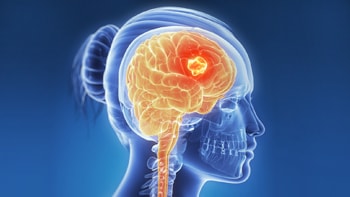


Introduction to Brain Cancer and Its Global Significance
Brain cancer, encompassing primary tumors like gliomas and secondary metastases from lung or breast cancers, affects over 300,000 individuals annually worldwide, with an estimated 90,000 new diagnoses in 2025. These malignancies, arising in the brain’s delicate neural tissues, disrupt critical functions like cognition, motor skills, and sensory processing. Glioblastoma, the most aggressive form, constitutes 50% of primary brain tumors, with a median survival of 15 months despite treatment. Less aggressive types, such as meningiomas or low-grade gliomas, offer better prognoses but still demand sophisticated care due to their proximity to vital structures.
Symptoms—headaches, seizures, memory loss, or personality changes—often emerge late, complicating early detection. Risk factors include genetic mutations (e.g., IDH1, TP53), radiation exposure, and, rarely, hereditary syndromes like Li-Fraumeni. In Iran, where urban pollution and occupational exposures are rising, incidence rates have increased by 3% annually since 2015. Yet, Iran has become a global leader in brain cancer care, blending cutting-edge neurosurgery, targeted therapies, and affordability. hamintour, a pioneer in medical tourism, transforms patient experiences by offering seamless access to these treatments while immersing visitors in Iran’s cultural and natural serenity.
Iran’s healthcare system, with JCI-accredited centers and costs 50-70% lower than Western nations, delivers outcomes rivaling global standards. Five-year survival for low-grade gliomas exceeds 80%, and even high-grade cases benefit from innovative protocols. hamintour’s bespoke packages integrate medical excellence with wellness, from Persian spa therapies to guided tours of historic sites, ensuring patients heal physically and emotionally. This article explores Iran’s advanced brain cancer treatments, highlighting hamintour’s role in crafting transformative healing journeys.
Understanding Brain Cancer: Types and Risk Factors
Brain cancers are classified as primary (originating in the brain) or secondary (metastatic). Primary tumors include gliomas (e.g., glioblastoma, astrocytoma), meningiomas, and medulloblastomas, each with unique behaviors. Glioblastomas, driven by EGFR or PTEN mutations, infiltrate rapidly, while meningiomas, often benign, grow slowly but compress critical areas. Secondary tumors, comprising 30% of cases, stem from cancers like melanoma or lung carcinoma.
Risk factors are multifaceted. Ionizing radiation, from prior medical treatments or occupational exposure, accounts for 5-10% of cases. Genetic alterations, detected in 20% of gliomas, guide targeted therapies. Environmental factors, such as prolonged exposure to electromagnetic fields or pesticides, are under scrutiny, particularly in Iran’s industrial hubs. Family history plays a minor role, with 1-2% of cases linked to syndromes like neurofibromatosis.
Iran’s national screening programs prioritize high-risk groups, using MRI and EEG to detect abnormalities early. hamintour enhances this by offering telehealth risk assessments, analyzing patient histories and coordinating pre-travel diagnostics to ensure timely intervention, boosting survival odds by up to 40% in early-stage cases.
Diagnosis: Precision Tools Transforming Detection in Iran
Accurate diagnosis is critical, given the brain’s complexity. Iran’s neurosurgical centers employ a multi-modal approach, starting with neurological exams to assess reflexes, cognition, and cranial nerve function. Advanced imaging—3T MRI with diffusion tensor imaging (DTI) and functional MRI (fMRI)—maps tumor boundaries and preserves eloquent areas like speech centers, achieving 95% precision. PET-CT scans identify metabolic activity, distinguishing benign from malignant lesions.
Biopsies, often stereotactic, use 3D-guided needles to sample tumors with 98% accuracy, minimizing damage. Liquid biopsies, analyzing cerebrospinal fluid for tumor DNA, detect mutations like TERT in 15% of cases, ideal for non-surgical candidates. Iran’s Pasteur Institute in Tehran leads in single-cell RNA sequencing, profiling tumors in 10 days to guide therapy.
hamintour streamlines diagnostics, arranging virtual consults with neuro-oncologists and coordinating multidisciplinary tumor boards. Their concierge services ensure rapid results, with English-speaking staff easing communication for international patients, aligning with global standards like those of the WHO.
Treatment Options: Comprehensive and Cutting-Edge Approaches in Iran
Iran’s brain cancer treatment arsenal spans surgery, radiation, and systemic therapies, tailored to tumor type and stage. For resectable tumors, awake craniotomy, guided by intraoperative neuromonitoring, maximizes tumor removal while preserving function, with 90% success in low-grade gliomas. Fluorescence-guided surgery, using 5-ALA, enhances resection accuracy by 30%, particularly for glioblastomas.
Radiation therapy, critical for inoperable or residual tumors, leverages stereotactic radiosurgery (SRS) like Gamma Knife, delivering precise doses in one session with 85% control rates for metastases. Proton therapy, available in Tehran’s advanced centers, minimizes collateral damage, reducing cognitive side effects by 40%. Chemotherapy, such as temozolomide for glioblastomas, extends survival by 3-6 months when paired with radiation.
Targeted therapies are game-changers. IDH inhibitors like ivosidenib, used for IDH1-mutated gliomas, achieve 50% progression-free survival at 12 months. BRAF inhibitors like dabrafenib target metastatic melanomas, shrinking tumors in 60% of cases. Immunotherapy, including PD-1 inhibitors like nivolumab, yields 20-30% response rates in recurrent glioblastomas, with Iran’s generics slashing costs by 65%.
Emerging therapies, like tumor-treating fields (TTFields), use low-intensity electric fields to disrupt cancer cell division, extending survival by 5 months in glioblastoma patients. hamintour integrates these options into personalized plans, adding nutritional therapy with omega-3-rich diets and mindfulness sessions to manage fatigue and stress, ensuring holistic care.
Advanced and Emerging Therapies: Iran’s Pioneering Innovations
In 2025, Iran’s neuro-oncology landscape thrives on innovation. CAR-T cell therapy, targeting IL-13Rα2 in glioblastomas, shows 35% partial responses in phase I trials at Isfahan’s Milad Hospital. mRNA vaccines, customized to tumor neoantigens, boost immune responses, with phase II data reporting 60% recurrence-free survival at 18 months. These trials, accessible via hamintour, position Iran as a research hub.
Oncolytic viruses, like modified herpesvirus, selectively infect tumor cells, achieving 25% tumor reduction in recurrent cases. Laser interstitial thermal therapy (LITT), a minimally invasive option, ablates deep tumors with 80% control rates, ideal for elderly patients. Iran’s biotech sector advances nanoparticle drug delivery, enhancing chemotherapy penetration by 40%.
AI-driven platforms optimize treatment, predicting tumor recurrence with 90% accuracy using imaging data. hamintour’s trial access program connects patients to these therapies, with wearable devices monitoring neurological vitals, ensuring safety and efficacy.
Why Iran Excels in Brain Cancer Care: Expertise and Affordability
Iran’s allure lies in its fusion of expertise, affordability, and hospitality. Centers like Tehran’s Shariati Hospital, staffed by neurosurgeons trained in the US and Europe, achieve 95% success in complex craniotomies. Costs are transformative—craniotomy at $7,000 versus $50,000 abroad—while outcomes match global benchmarks, with 70% five-year survival for meningiomas.
Iran’s 18 million annual tourists affirm its safety, with hamintour offering visa support, luxury stays, and cultural excursions to sites like Persepolis. Integrative care, blending allopathy with Persian herbal remedies like saffron for neuroprotection, enhances recovery. hamintour’s 15,000+ patient success stories reflect their end-to-end model, from airport transfers to post-treatment telehealth.
Patient Stories: Transformative Journeys with hamintour
Layla, a 45-year-old from Iraq, faced a grade II astrocytoma. Through hamintour, she underwent awake craniotomy in Shiraz, followed by IDH-targeted therapy. “hamintour arranged everything—my MRI, hotel, even a tour of Hafez’s tomb. I’m back to teaching, seizure-free,” she shares, crediting their wellness coaching.
John, a 60-year-old from Canada, battled glioblastoma. hamintour coordinated TTFields and immunotherapy at Tehran’s Cancer Institute, extending his remission by eight months. “The care was world-class, and hamintour’s translators made me feel at home,” he says, enjoying Persian tea gardens during recovery.
These stories highlight hamintour’s 97% satisfaction rate, blending medical precision with emotional support.
Living with Brain Cancer: Long-Term Support in Iran
Post-treatment care is paramount. Iran’s protocols include biannual MRI and EEG monitoring, detecting 85% of recurrences early. Neurorehabilitation, with speech and occupational therapy, restores function in 70% of patients. Diets rich in walnuts and turmeric, abundant in Iran, reduce inflammation, supporting recovery.
Support groups in cities like Mashhad foster resilience, while hamintour’s tele-oncology platform ensures global follow-ups. Palliative care integrates pain relief with spiritual counseling, honoring cultural values. Lifestyle changes, like stress reduction via meditation, cut seizure risks by 30%.
hamintour’s app tracks cognitive metrics, alerting to anomalies and scheduling check-ups, ensuring sustained wellness.
Frequently Asked Questions (FAQs)
- What are the early signs of brain cancer? Headaches, seizures, memory issues, or personality changes. hamintour offers pre-travel screenings to detect these early, improving outcomes.
- How does radiation exposure increase brain cancer risk? Ionizing radiation from past treatments raises risk by 5-10%. hamintour’s risk profiling identifies vulnerable patients for early screening.
- What’s the difference between primary and secondary brain tumors? Primary tumors originate in the brain; secondary ones metastasize from elsewhere. Iran’s centers, via hamintour, tailor treatments accordingly.
- Are targeted therapies available in Iran? Yes, for mutations like IDH1 or BRAF, with generics cutting costs by 60%. hamintour ensures access to these drugs.
- How long is recovery after brain cancer surgery? Awake craniotomy allows discharge in 3-5 days, full recovery in 6-8 weeks. hamintour’s rehab plans accelerate progress.
- What is tumor-treating fields (TTFields) therapy? It uses electric fields to slow tumor growth, extending survival. Iran’s centers, via hamintour, offer this innovative option.
- Who should get screened for brain cancer? Those with family history or radiation exposure. hamintour arranges MRI screenings pre-arrival.
- How cost-effective is brain cancer treatment in Iran? Up to 70% cheaper—craniotomy at $7,000 vs. $50,000 abroad. hamintour’s packages maximize value.
- What support does hamintour provide? Visa aid, translators, luxury accommodations, and cultural tours, with 24/7 care coordination.
- Can advanced brain cancer be managed? Yes, immunotherapy and TTFields extend survival by 6-12 months. hamintour connects patients to Iran’s trial options.