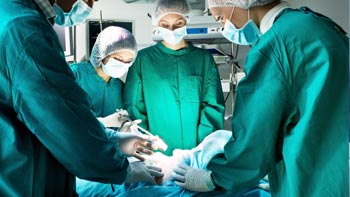


Introduction to Trauma Surgery in Iran
Trauma surgery addresses life-threatening injuries caused by accidents, falls, violence, or other emergencies, requiring rapid and expert intervention to stabilize patients and restore function. In Iran, a global leader in advanced medical care, trauma surgery is performed by highly skilled surgeons in state-of-the-art trauma centers equipped to handle complex cases. Iran’s blend of cutting-edge technology, affordable care, and exceptional hospitality makes it a top destination for patients seeking urgent or reconstructive trauma surgery. Partnering with hamintour, a trusted pioneer in medical tourism, patients experience a seamless journey, combining world-class treatment with the opportunity to recover amidst Iran’s rich cultural heritage. This comprehensive guide explores every facet of trauma surgery in Iran, from procedures and recovery to costs and why hamintour is your ideal partner for healing.
Understanding Trauma Surgery
Trauma surgery encompasses a wide range of procedures to treat acute injuries to bones, organs, blood vessels, or soft tissues. Common injuries include fractures, internal bleeding, organ damage, or traumatic brain injuries, often resulting from car accidents, falls, or gunshot wounds. The goal is to stabilize the patient, prevent further damage, and restore function through surgical or non-surgical means. In Iran, trauma centers operate under a multidisciplinary model, involving trauma surgeons, orthopedic specialists, neurosurgeons, and critical care teams to ensure comprehensive care. Iran’s expertise in minimally invasive and reconstructive techniques enhances outcomes, with survival rates for major trauma exceeding 90% in leading facilities.
Why Choose Iran for Trauma Surgery?
Iran has emerged as a premier destination for trauma surgery due to its unmatched advantages:
-
Expert Trauma Teams: Iran’s surgeons, many trained internationally, specialize in polytrauma, orthopedics, and neurosurgery, delivering rapid, precise interventions.
Table of Contents -
Advanced Trauma Centers: Level I and II trauma centers, equipped with trauma bays, hybrid operating rooms, and 3D imaging, rival global standards.
-
Cost-Effective Care: Trauma surgeries in Iran cost 60-80% less than in Western countries, making high-quality care accessible even for complex cases.
-
Holistic Recovery: Hamintour enhances healing with cultural experiences, such as visits to Persepolis or Tehran’s serene gardens, promoting emotional and physical recovery.
Hamintour coordinates every detail, from emergency transfers to post-operative rehabilitation, ensuring a transformative healing journey.
Diagnosis and Evaluation for Trauma Surgery in Iran
Rapid and accurate diagnosis is critical in trauma care. Iran’s trauma centers follow a streamlined protocol:
-
Primary Survey: Following Advanced Trauma Life Support (ATLS) guidelines, surgeons assess airway, breathing, circulation, disability, and exposure (ABCDE) to stabilize patients.
-
Imaging Studies: Whole-body CT scans, X-rays, or ultrasound (FAST) identify fractures, internal bleeding, or organ injuries within minutes.
-
Laboratory Tests: Blood typing, crossmatching, and markers like lactate levels guide resuscitation efforts.
-
Specialist Consultation: Multidisciplinary teams, including trauma surgeons, orthopedists, and neurosurgeons, collaborate to prioritize interventions.
Hamintour facilitates urgent diagnostics, often completed within hours, and arranges virtual consultations for follow-up care planning.
Types of Trauma Surgery in Iran
Iran offers a comprehensive range of trauma surgeries, tailored to injury severity and location:
-
Orthopedic Trauma Surgery: Fixation of fractures (e.g., femur, pelvis) using plates, screws, or intramedullary nails, often via minimally invasive techniques.
-
Abdominal Trauma Surgery: Laparotomy or laparoscopy to repair liver, spleen, or bowel injuries, addressing internal bleeding or perforations.
-
Thoracic Trauma Surgery: Procedures like thoracotomy or chest tube insertion for pneumothorax, hemothorax, or cardiac tamponade.
-
Neurosurgical Trauma: Craniotomy or decompressive craniectomy for traumatic brain injuries or epidural hematomas.
-
Vascular Trauma Surgery: Repair of damaged arteries or veins, often using grafts or endovascular stents.
-
Soft Tissue Reconstruction: Flap surgeries or skin grafts for severe lacerations or burns.
Iran’s surgeons prioritize minimally invasive approaches, with 70% of trauma cases using laparoscopic or endovascular methods to reduce recovery time. Hamintour ensures patients are matched with subspecialists for optimal outcomes.
The Trauma Surgery Process in Iran
The trauma surgery process in Iran is designed for speed and precision:
-
Pre-Surgery Stabilization: Patients receive fluids, blood transfusions, or airway support in trauma bays to stabilize vital signs.
-
Surgical Procedure: Performed under general anesthesia, procedures range from 1-6 hours, using intraoperative imaging and monitoring to guide interventions.
-
Damage Control Surgery: In severe polytrauma, staged surgeries prioritize life-saving measures, with definitive repairs after stabilization.
-
Post-Operative Care: Intensive care unit (ICU) monitoring, pain management, and infection prevention ensure safe recovery.
Hamintour provides dedicated support, including translators, trauma coordinators, and family liaison services, for a seamless experience.
Benefits of Trauma Surgery in Iran
Choosing Iran for trauma surgery offers significant advantages:
-
High Survival Rates: Over 90% survival for major trauma, with rapid response times and multidisciplinary expertise.
-
Minimally Invasive Techniques: Laparoscopic and endovascular approaches reduce complications and recovery time.
-
Comprehensive Rehabilitation: Physical therapy, psychological support, and nutritional counseling optimize long-term recovery.
-
Holistic Healing: Hamintour’s cultural tours, such as visits to Shiraz’s ancient ruins or Isfahan’s mosques, promote emotional well-being.
These benefits make Iran a beacon for trauma care.
Recovery After Trauma Surgery
Recovery varies by injury and procedure:
-
Hospital Stay: Minor procedures require 1-3 days; complex polytrauma may need 7-14 days in ICU or wards.
-
Immediate Post-Op: Patients receive pain relief, wound care, and early mobilization to prevent complications like deep vein thrombosis.
-
Rehabilitation: Physical therapy begins within days for orthopedic cases; neurological rehab for brain injuries may extend months.
-
Timeline: Minor injuries allow return to light activities in 4-8 weeks; major trauma recovery spans 3-6 months with ongoing therapy.
Hamintour arranges follow-up care, including virtual consultations with trauma specialists, to ensure sustained recovery.
Costs of Trauma Surgery in Iran
Trauma surgery in Iran is highly cost-effective:
-
Orthopedic Procedures (e.g., Fracture Fixation): $2,000-$5,000, versus $15,000-$30,000 in the U.S.
-
Abdominal or Thoracic Surgery: $4,000-$10,000, compared to $20,000-$50,000 abroad.
-
Neurosurgical Trauma: $8,000-$15,000, versus $50,000-$100,000 in Western countries.
-
Comprehensive Packages: Hamintour’s all-inclusive plans, covering diagnostics, surgery, ICU, rehab, and travel, range from $3,000-$20,000.
This transparency allows patients to focus on healing without financial strain.
Why Choose Hamintour for Your Trauma Surgery?
Hamintour redefines medical tourism with:
-
Seamless Logistics: Emergency visas, rapid airport transfers, and ICU-adjacent accommodations.
-
Elite Partnerships: Access to Iran’s top trauma centers, such as Tehran’s Shariati Hospital.
-
Cultural Immersion: Guided tours to Yazd’s ancient wind towers or Kashan’s gardens enrich recovery.
-
24/7 Support: Multilingual trauma coordinators and psychological support ensure peace of mind.
Hamintour transforms trauma care into a journey of restoration and discovery.
Preparing for Trauma Surgery in Iran
Preparation is critical, especially for urgent cases:
-
Medical Records: Provide trauma history, imaging (X-ray/CT), and blood work; hamintour digitizes for efficiency.
-
Emergency Travel: Hamintour expedites visas and arranges medical evacuations if needed.
-
Post-Surgery Support: Arrange a companion for initial recovery, particularly for ICU cases.
-
Cultural Prep: Embrace Iran’s heritage with hamintour’s cultural guides to enhance emotional healing.
Risks and Considerations
Risks, such as infection (under 3%), bleeding, or neurological deficits, are minimized by Iran’s advanced trauma protocols and intraoperative monitoring. Hamintour ensures transparent discussions about benefits and risks, fostering informed decisions.
Why Iran Excels in Medical Tourism
Iran’s trauma care, rooted in a legacy of medical innovation and bolstered by modern infrastructure, creates a unique healing environment. Hamintour amplifies this, offering patients not just treatment but a transformative experience blending clinical excellence with Iran’s vibrant cultural heritage.
Conclusion
Trauma surgery in Iran offers a lifeline for those facing critical injuries, combining expert care, innovative technology, and hamintour’s compassionate support. Affordable, effective, and enriched by Iran’s cultural allure, this journey restores health and hope. Choose Iran, choose hamintour, and embark on a path to renewed vitality.
Frequently Asked Questions (FAQs)
-
What is trauma surgery?
It involves urgent or reconstructive procedures to treat injuries from accidents, falls, or violence, addressing bones, organs, or vessels. -
How are trauma injuries diagnosed in Iran?
Through ATLS-guided surveys, whole-body CT/X-rays, ultrasound, and blood tests, completed rapidly in trauma centers. -
Are trauma surgeries in Iran minimally invasive?
Yes, over 70% use laparoscopic or endovascular techniques, reducing recovery time and complications. -
How long is recovery after trauma surgery?
Minor injuries: 4-8 weeks; major polytrauma: 3-6 months, with tailored rehabilitation. -
What are the risks of trauma surgery?
Low risks like infection or bleeding (under 3%) are managed with advanced protocols. -
Can Iran handle complex polytrauma cases?
Yes, Level I trauma centers achieve over 90% survival with multidisciplinary expertise. -
What makes Iran’s trauma centers exceptional?
Expert surgeons, hybrid ORs, and affordable care deliver world-class outcomes. -
How does hamintour support trauma patients?
By managing logistics, connecting to top specialists, and offering cultural experiences for holistic recovery. -
Are language barriers an issue in Iranian trauma centers?
No, English-speaking staff and hamintour interpreters ensure clear communication. -
Why choose hamintour for trauma surgery in Iran?
For personalized care, elite medical access, and a culturally rich journey that transforms healing.