
Navigating the dress code in a new country can feel daunting, especially for female travelers planning a trip to Iran, where the concept of “compulsory hijab” often sparks misconceptions. At hamintour, a leading medical tourism company in Iran, we’re here to demystify Iran’s dress code and help you travel with confidence and style. Far from the outdated stereotypes of restrictive attire, Iran’s dress code is flexible and allows for personal expression, especially in vibrant cities like Tehran. This SEO-optimized guide provides clear, practical advice on what to wear in Iran, ensuring you feel comfortable, compliant, and chic during your journey with hamintour.
Debunking Myths About Iran’s Dress Code
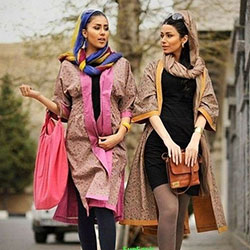
The idea that women in Iran must wear full-body coverings like chadors or burqas is a common misconception. Unlike more conservative dress codes in some neighboring countries, Iran’s regulations are more relaxed, particularly for tourists. Images of local women in stylish outfits or foreign visitors in casual, trendy attire reveal a modern, diverse fashion scene. hamintour’s experience with international travelers, including those seeking medical procedures, shows that dressing in Iran is about balancing cultural respect with personal comfort, not rigid restrictions.
For example, you won’t need to cover your entire head or body in private settings like hotels or clinics. In public, a few simple guidelines ensure you blend in while expressing your style. With hamintour’s support, including personalized travel advice and local guides, you’ll navigate Iran’s dress code with ease, whether you’re exploring bustling bazaars or historic sites.
Dress Code for Female Travelers in Iran
The cornerstone of Iran’s dress code for women is the headscarf, a requirement that may seem challenging but is easy to adapt to with practice. Here’s a detailed breakdown of what female travelers should wear to comply with local norms while staying comfortable and fashionable.
Headscarf: The Key Element
A headscarf is mandatory in public spaces, but it doesn’t need to cover your entire head. Many Iranian women wear their scarves loosely, positioned toward the back of the head to reveal some hair, blending modesty with style. For travelers new to wearing scarves, this flexibility is reassuring. To keep your scarf in place, especially during active days of sightseeing, use hairpins or clips to secure it, minimizing the need for constant adjustments.
Choose lightweight, breathable fabrics like cotton or silk for comfort, especially in warmer months. Bright colors or patterns can add a personal touch, aligning with the trendy styles seen in cities like Tehran or Shiraz. hamintour’s travel packages include pre-trip guidance to help you select scarves that suit your style and meet local expectations.
Upper Body and Arms
Your upper body clothing should be loose-fitting and long enough to cover your hips, ideally reaching the knees or just above. A tunic, long blouse, or “manteau”—a stylish, gown-like garment popular in Iran—is an excellent choice. Manteaus come in various designs, from tailored to flowy, allowing you to express your fashion sense while adhering to the dress code. These garments should cover your arms down to at least the forearms, so avoid short-sleeve tops in public.
Opt for breathable materials like linen or cotton, especially for Iran’s diverse climates, which range from cool northern regions to warmer southern areas. hamintour’s local guides can recommend shops in Iran where you can purchase trendy manteaus to enhance your wardrobe.
Lower Body and Legs
Your legs must be fully covered down to the ankles. Trousers, jeans, or leggings are all acceptable, provided they’re paired with a top that covers the hips or mid-thighs. Even form-fitting leggings are fine if your tunic or manteau is long enough to ensure modesty. This flexibility allows you to mix and match outfits, combining comfort with compliance. For a polished look, consider pairing jeans with a colorful manteau, a style favored by many Iranian women.
Tips for Comfort and Compliance
- Layering: Layering lightweight clothing is ideal for adjusting to Iran’s varied weather, from chilly evenings in Isfahan to sunny days in Shiraz.
- Footwear: Comfortable shoes like sneakers or flats are perfect for exploring, as long as they’re modest and practical for walking.
- Accessories: Feel free to accessorize with jewelry or bags to add flair, as Iranian women often do, enhancing your outfit without breaking dress code rules.
hamintour’s all-inclusive packages include cultural briefings to ensure you’re well-prepared, with recommendations on where to find stylish, compliant clothing in Iran.
Dress Code for Male Travelers in Iran
The dress code for men is significantly simpler and less restrictive. Men should avoid shorts and sleeveless tops in public, opting instead for long pants or jeans paired with T-shirts, shirts, or polos. Casual attire like jeans and a T-shirt is widely accepted and commonly worn by local men in cities like Tehran. This straightforward approach allows male travelers to pack light while staying respectful of local norms.
For example, a male traveler visiting a historical site with hamintour can wear comfortable jeans and a long-sleeve shirt, ensuring both compliance and ease during their tour. Our team provides tailored advice to ensure your wardrobe suits Iran’s cultural and climatic conditions.
Regional Considerations: Urban vs. Conservative Areas
While Iran’s dress code is relatively relaxed in major cities like Tehran, Isfahan, and Shiraz, more conservative regions like Mashhad or Qom require extra mindfulness. In these areas, women should ensure their headscarves cover more of the hair and opt for looser, longer clothing. Men should stick to long pants and avoid overly casual attire like tank tops. hamintour’s expert guides provide region-specific advice, ensuring you’re dressed appropriately for every destination on your itinerary.
In urban centers, you’ll notice Iranian women embracing fashion-forward styles, such as vibrant manteaus and loosely draped scarves, reflecting a blend of tradition and modernity. hamintour’s curated experiences allow you to shop at local markets or boutiques, where you can find outfits that align with these trends while meeting dress code requirements.
Practical Tips for a Hassle-Free Experience
- Pack Versatile Clothing: Bring a mix of long tunics, scarves, and pants that can be layered for different settings. Neutral and bold colors both work well, allowing for versatility.
- Shop Locally: Iran’s markets offer affordable, stylish manteaus and scarves. hamintour can arrange shopping tours to help you find pieces that suit your taste.
- Private vs. Public Spaces: In private settings like hotels, clinics, or restaurants, women can forgo headscarves, offering a chance to relax. hamintour ensures you’re informed about these distinctions.
- Cultural Sensitivity: While enforcement is rare, especially for tourists, a polite reminder to adjust your scarf may occur in conservative areas. Respond courteously to stay respectful.
Why Choose hamintour for Your Iran Journey?
At hamintour, we go beyond medical tourism to offer a seamless travel experience, including detailed guidance on cultural norms like Iran’s dress code. Our all-inclusive packages cover accommodations, transfers, visa assistance, and personalized tours, ensuring you feel confident and prepared. Whether you’re visiting for a medical procedure or to explore Iran’s rich heritage, our team provides local insights and support to make your trip stress-free and stylish.
Frequently Asked Questions (FAQs)
- Is Iran’s dress code strict for female tourists? Iran’s dress code is flexible, requiring a loosely worn headscarf and long, modest clothing. hamintour provides guidance to ensure compliance with ease.
- Do I need to wear a chador or burqa in Iran? No, chadors or burqas are not mandatory. A headscarf and long tunic or manteau are sufficient for female travelers.
- Can women wear jeans or leggings in Iran? Yes, jeans or leggings are fine if paired with a top that covers the hips or mid-thighs, as advised by hamintour’s cultural experts.
- What should men wear to comply with Iran’s dress code? Men should wear long pants and shirts, avoiding shorts or sleeveless tops. Casual jeans and T-shirts are widely accepted.
- How do Iranian women dress in urban areas? In cities like Tehran, women wear stylish manteaus, loose scarves, and trendy outfits, blending modesty with modern fashion.
- Are there dress code differences in conservative cities like Mashhad? Yes, conservative areas require more coverage, such as longer clothing and fuller scarves. hamintour offers region-specific advice.
- Can I remove my headscarf in private settings? Yes, women can forgo headscarves in private spaces like hotels or clinics, as guided by hamintour’s team.
- How can hamintour help me prepare for Iran’s dress code? hamintour provides pre-trip briefings, shopping recommendations, and local guides to ensure you dress comfortably and appropriately.
- Will I face penalties for dress code mistakes in Iran? Tourists rarely face penalties. At most, you may receive a polite reminder to adjust your attire, especially in conservative areas.
- Where can I buy stylish clothing in Iran? hamintour can arrange visits to local markets or boutiques in cities like Tehran, where you’ll find fashionable manteaus and scarves.