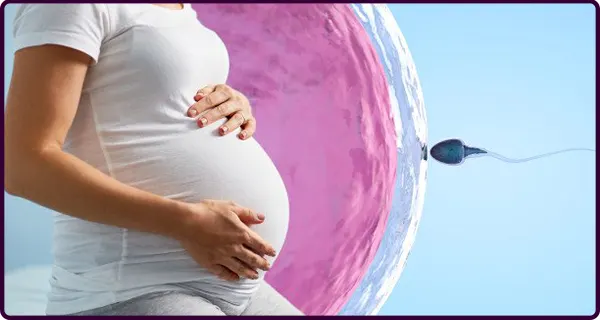


In vitro fertilization (IVF) is a powerful assisted reproductive technology that helps infertile couples conceive by fertilizing eggs in a lab and transferring embryos to the uterus. Iran, a hub for medical tourism, offers world-class IVF at 50–70% lower costs than Western countries (Journal of Medical Tourism, 2023). Hamintour, a certified facilitator, ensures a seamless, safe IVF journey. This guide details the IVF process, eligibility, preparation, and why Hamintour is your trusted partner.
What is IVF?
IVF addresses infertility due to blocked fallopian tubes, PCOS, irregular ovulation, endometriosis, male factor infertility, or unexplained causes (American Society for Reproductive Medicine, 2024). The process involves three key steps:
- Egg Retrieval: Mature eggs are extracted from the ovaries (yours or a donor’s).
- Fertilization: Eggs are fertilized with sperm (partner’s or donor’s) in a lab.
- Embryo Transfer: The resulting embryo(s) are placed in the uterus (yours or a gestational carrier’s).
Hamintour Insight: A thorough consultation with our specialists ensures IVF suits your specific infertility needs.
Who Qualifies for IVF?
Not everyone benefits from IVF. Eligibility depends on health, age, and infertility causes (Fertility and Sterility, 2023).
Selection Criteria
- Age: Women over 46 face lower success rates due to declining egg quality. Those over 40 require ovarian function tests (ASRM, 2024).
- BMI: Women with a BMI above 35 have reduced success and higher miscarriage risks (PubMed, 2022).
- Health: Both partners must be free from untreated infectious or genetic diseases.
Case Study: Laila, 38, with PCOS, consulted Hamintour. After confirming eligibility, she underwent IVF in Tehran, conceiving successfully within 6 months.
Pre-IVF Screening Tests
Screening ensures you, your partner, or donors/surrogates are ready for IVF, minimizing risks to the embryo (WHO, 2023). Hamintour coordinates all tests with accredited clinics.
Tests for Both Partners
- Infectious Diseases: Blood tests for HIV, hepatitis B/C, syphilis, and varicella to protect the fetus.
- Chlamydia Screening: Urine test (men) or vaginal swab (women) to detect fallopian tube damage risks.
- Genetic Diseases: Tests for sickle cell anemia or thalassemia if there’s a family history.
Tests for Men
- Semen Evaluation: Assesses sperm count, motility, and shape. If abnormal, Hamintour may recommend intracytoplasmic sperm injection (ICSI), injecting a single sperm into an egg (PubMed, 2023).
Tests for Women
- Rubella Immunity: Blood test to confirm protection; non-immune women need vaccination before IVF.
- Ovarian Reserve: Measures FSH, AMH, and estradiol to assess egg quantity. Low reserves may require adjusted protocols.
- Tubal Patency: Hysterosalpingo Contrast Sonography (HyCoSy) checks for blocked fallopian tubes.
- Prolactin Test: High prolactin levels, measured via blood test, may hinder conception.
- Cervical Smear: Ensures no cervical abnormalities.
- Miscarriage Risk: Tests for lupus anticoagulant, anticardiolipin, B2 glycoprotein antibodies, and TSH to reduce complications.
- Mock Embryo Transfer: Optional test to map the uterus for optimal embryo placement.
Real Example: Ahmed and Noor, a couple from Qatar, used Hamintour for IVF. Screening revealed Noor’s low ovarian reserve, prompting a tailored protocol that led to a successful pregnancy.
Preparing for an IVF Cycle with Hamintour
Preparation maximizes IVF success. Hamintour guides you through every step, ensuring compliance with Iran’s accredited standards (Iran Ministry of Health, 2024).
- Consultation: Discuss fertility history with Hamintour specialists to confirm IVF suitability.
- Screening: Complete required tests for you, your partner, or donors/surrogates.
- Medication Protocol: Based on test results, doctors prescribe drugs to stimulate egg production or prepare the uterus.
- Lifestyle Adjustments: Maintain a BMI below 35, avoid smoking, and follow a balanced diet (ASRM, 2024).
Hamintour Tip: Start preparations 2–3 months in advance to optimize health and success rates.
IVF in Iran with Hamintour
Iran’s IVF clinics, staffed by board-certified specialists, achieve success rates of 40–60% for women under 35, comparable to global standards (Fertility and Sterility, 2023). Costs start at $3,000, significantly lower than the $12,000–$20,000 in the U.S. (ASRM, 2024).
Why Choose Hamintour?
- Accreditation: Licensed by Iran’s Ministry of Health and Cultural Heritage Organization.
- Comprehensive Care: From visa processing to post-cycle follow-ups.
- Specialist Access: Partnerships with top fertility experts.
- Transparency: Clear pricing with no hidden fees.
Scenario: Fatima, 42, faced multiple failed IVF cycles abroad. Hamintour arranged advanced ICSI in Iran, resulting in a healthy pregnancy after thorough screening and personalized care.
Post-IVF Care
- Monitoring: Hamintour schedules follow-ups to track pregnancy progress.
- Support: Emotional and medical guidance via virtual or in-person consultations.
- Stay in Iran: Typically 2–4 weeks for egg retrieval, fertilization, and embryo transfer.
Pro Tip: Plan for rest post-transfer to boost implantation success (PubMed, 2022).
FAQs: IVF with Hamintour
1. Who is eligible for IVF in Iran?
Women under 46 with healthy ovaries and BMI below 35, and partners free from untreated diseases (ASRM, 2024).
2. How long is the IVF process in Iran?
About 2–4 weeks, including preparation and transfer (Iran Ministry of Health, 2024).
3. What tests are required?
Blood, semen, and uterine tests for both partners or donors (WHO, 2023).
4. Why choose Hamintour?
Accredited, transparent, and comprehensive care with top specialists.
5. What are IVF success rates?
40–60% for women under 35, decreasing with age (Fertility and Sterility, 2023).
Start Your IVF Journey with Hamintour
IVF in Iran, guided by Hamintour, offers hope and affordability. Trust our accredited team for a safe, successful experience. Visit the Hamintour blog or contact us for a consultation.
Sources:
- Journal of Medical Tourism (PubMed, 2023)
- American Society for Reproductive Medicine (ASRM), 2024
- Fertility and Sterility (PubMed, 2023)
- World Health Organization (WHO), 2023
- Iran Ministry of Health, 2024