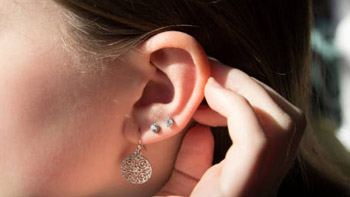


Otoplasty, or cosmetic ear surgery, is a transformative procedure that corrects ear deformities such as protruding ears, Stahl’s ears, cup ears, ear tags, or microtia, enhancing appearance and boosting confidence. Iran, a global leader in cosmetic and reconstructive surgery, is an ideal destination for otoplasty due to its highly skilled surgeons, advanced clinics, and costs up to 80% lower than in Western countries. hamintour, a premier medical tourism facilitator, ensures a seamless experience by connecting you with top specialists and managing every detail of your journey. This guide explores why Iran is the perfect choice for otoplasty, detailing the procedure, costs, recovery, and how hamintour combines medical excellence with Iran’s cultural richness.
Why Iran Excels for Otoplasty Surgery
Iran’s reputation as a hub for cosmetic procedures, particularly rhinoplasty, extends to otoplasty, driven by its expertise, affordability, and patient satisfaction. Here’s why Iran stands out:
-
Expert Surgeons: Iranian board-certified plastic surgeons and otolaryngologists (ENT specialists) are globally recognized, performing hundreds of otoplasty procedures annually. With advanced fellowships in plastic and reconstructive surgery, they deliver precise, natural results. hamintour matches you with specialists skilled in ear pinning, augmentation, and reduction.
-
Modern Clinics: Hospitals and cosmetic clinics in Tehran, Shiraz, Mashhad, and Isfahan are equipped with cutting-edge technology and adhere to international standards (e.g., ISO 9000). Accredited by Iran’s Ministry of Health, these facilities feature International Patients Departments (IPDs) for high-quality care. hamintour partners with top clinics offering advanced operating rooms and VIP services.
Table of Contents -
Affordable Costs: Otoplasty in Iran costs $1,200–$2,000, compared to $3,000–$6,000 in the US or $2,500–$5,000 in the UK. hamintour’s all-inclusive packages cover surgery, anesthesia, medications, clinic fees, accommodation, transfers, and interpreter services, maximizing value.
-
High Surgical Volume: Iran’s high demand for cosmetic procedures ensures surgeons’ extensive experience, delivering consistent, high-quality outcomes for ear corrections.
-
Cultural Enrichment: Recover while exploring Iran’s iconic landmarks, such as Persepolis, Isfahan’s mosques, or Shiraz’s gardens. hamintour integrates cultural tours into your medical journey, enhancing the experience.
What is Otoplasty Surgery?
Otoplasty is a cosmetic or reconstructive ear surgery that alters the shape, size, or position of the ears to improve appearance or correct deformities. It addresses:
-
Protruding Ears: Ears that stick out excessively.
-
Stahl’s Ears: Pointed or folded ear shapes.
-
Cup Ears (Lop/Constricted Ears): Overly small or folded ears.
-
Ear Tags: Small skin growths (accessory tragus).
-
Microtia: Underdeveloped or absent external ear (pinna).
-
Injury-Related Deformities: Damage from trauma or accidents.
Otoplasty is suitable for both children (typically age 6–8 for reconstructive cases) and adults seeking aesthetic improvements.
Types of Otoplasty Procedures in Iran
Iran offers various otoplasty techniques, tailored to specific concerns. hamintour’s surgeons recommend the best approach based on your anatomy and goals:
-
Ear Pinning (Otopexy):
-
Purpose: Flattens protruding ears for a balanced appearance.
-
Procedure: Incisions behind the ears allow cartilage reshaping and pinning closer to the head. Performed under local or general anesthesia in 1–2 hours.
-
Cost: $1,200–$1,800.
-
-
Ear Augmentation:
-
Purpose: Reconstructs or enlarges underdeveloped ears (microtia).
-
Techniques:
-
Rib Cartilage Graft: Uses patient’s rib cartilage (age 6–8) to sculpt an ear shape. Performed in 2–4 hours under general anesthesia.
-
MEDPOR (Polyethylene Implant): A porous implant integrates with tissue, suitable for ages 3+. May require a second stage after 3–6 months.
-
Ear Prosthesis: Attaches a custom-colored prosthetic ear using adhesive or titanium screws for a natural look.
-
-
Cost: $1,500–$2,000.
-
-
Ear Reduction:
-
Purpose: Reduces oversized ears (macrotia) for proportionate appearance.
-
Procedure: Removes excess cartilage and skin through incisions behind the ear. Performed under local or general anesthesia in 1–2 hours.
-
Cost: $1,200–$1,800.
-
Who is a Candidate for Otoplasty?
Otoplasty in Iran is suitable for:
-
Children (age 6–8 for reconstructive cases, or older for cosmetic) and adults with ear deformities.
-
Individuals with protruding ears, Stahl’s ears, cup ears, ear tags, microtia, or injury-related defects.
-
Those in good health with realistic expectations.
-
Patients seeking to combine otoplasty with other procedures (e.g., facelift or rhinoplasty).
hamintour offers free consultations to assess suitability, discuss aesthetic goals, and recommend the best technique.
How is Otoplasty Performed in Iran?
The otoplasty process in Iran, coordinated by hamintour, is precise and tailored for optimal outcomes:
-
Consultation: Contact hamintour via WhatsApp, email, or online form. A coordinator reviews your medical history, requests photos for accurate quotes, and matches you with a board-certified plastic surgeon or ENT specialist. You’ll discuss desired outcomes, techniques, and risks.
-
Pre-Surgery Preparation:
-
Avoid aspirin or acetylsalicylic acid medications for 2 weeks pre-surgery to reduce bleeding risks.
-
Report recent viral illnesses (within 3 weeks) to your surgeon.
-
Wash hair the day before surgery; avoid makeup or earrings on the day.
-
hamintour coordinates pre-op tests and consultations.
-
-
Procedure:
-
Anesthesia: Local anesthesia for adults or minor cases; general anesthesia for children or complex procedures.
-
Surgical Process:
-
Ear Pinning: Incisions behind the ears reshape cartilage and pin ears closer to the head.
-
Ear Augmentation: Rib cartilage, MEDPOR implants, or prostheses reconstruct underdeveloped ears.
-
Ear Reduction: Excess cartilage and skin are removed to reduce ear size.
-
-
Duration: 1–4 hours, depending on the technique.
-
Technology: Surgeons use advanced tools in accredited clinics to minimize scarring and optimize results.
-
-
Post-Procedure: A soft dressing is applied for 1 week, followed by a protective headband for 1–2 weeks. hamintour arranges follow-up visits for bandage removal and monitoring.
Detailed Schedule in Iran
hamintour provides a structured 7-day itinerary:
-
Day 1: Arrival, airport pickup, transfer to a 3–5-star hotel, clinic visit for pre-op tests, and doctor consultation.
-
Day 2: Hospital transfer, surgery preparation, procedure (1–4 hours), post-op recovery, and doctor’s instructions.
-
Day 3: Rest in hotel, start post-op medications, follow instructed diet, and receive follow-up via doctor’s assistant.
-
Days 4–5: Rest, resume normal eating, light walking, and continue medications.
-
Day 6: Shower, clinic visit for check-up and bandage removal, receive fit-to-fly certificate, and review post-op instructions.
-
Day 7: Visit hamintour’s office for a special gift, transfer to airport, and start permanent follow-up via communication channels.
Recovery and Aftercare Tips
Recovery from otoplasty takes 1–2 weeks, with full healing in 1–6 months. hamintour provides personalized guidance:
-
Protect Surgical Site: Keep the soft dressing in place for 1 week; wear a flexible headband for 1–2 weeks to maintain ear position.
-
Manage Discomfort: Expect mild pain or sleep disruptions for a few days. Use prescribed painkillers; avoid self-prescribing anti-inflammatory drugs to prevent bleeding.
-
Hygiene and Activity:
-
Wash hair after bandage removal (day 7).
-
Avoid swimming or sports for 5 weeks to prevent infection or trauma.
-
Protect ears from cold and sun exposure; apply sunscreen to scars.
-
-
Monitor Symptoms: Contact your surgeon via hamintour for fever, excessive swelling, bleeding, or trauma to the surgical site.
-
Return to Work: Resume work in 3–12 days, depending on the procedure’s extent.
Scars, typically behind the ears, fade within a year. Full results are visible in 1–6 months, depending on the technique.
Safety and Risks
Otoplasty is a safe procedure when performed by experienced surgeons in accredited facilities. Potential risks include:
-
Scarring: Minimal and hidden behind the ears.
-
Bleeding/Infection: Rare with proper post-op care.
-
Mild Pain: Manageable with prescribed medications.
-
Asymmetry: Uncommon with skilled surgeons.
hamintour’s rigorous surgeon selection and modern clinics minimize risks, with studies in journals like Plastic and Reconstructive Surgery confirming high safety and satisfaction rates for otoplasty in high-volume centers like Iran.
Cost Comparison and Value
Otoplasty in Iran is significantly more affordable:
-
Iran: $1,200–$2,000
-
United States: $3,000–$6,000
-
United Kingdom: $2,500–$5,000
-
Australia: $3,500–$6,500
-
Turkey: $1,800–$3,000
hamintour’s all-inclusive packages cover surgery, anesthesia, medications, clinic fees, preoperative tests, accommodation, transfers, and interpreter services, offering exceptional value, especially when combining procedures (e.g., otoplasty with rhinoplasty).
Cancellation and Refund Policy
hamintour’s refund policy for otoplasty packages:
-
Before Initial Consultation: 15% of the total payment plus incurred expenses deducted.
-
After Consultation but Before Hospital Admission: 40% of the total payment plus incurred expenses deducted.
-
After Hospital Admission/Preparation: No refund issued.
-
Emergency Medical Conditions: No refunds for cancellations due to undisclosed acute illnesses or emergencies not reported on the pre-travel checklist.
Why Choose hamintour?
hamintour elevates your otoplasty experience in Iran with:
-
Expert Surgeon Matching: Access to board-certified plastic surgeons and ENT specialists with over 10 years of experience in otoplasty, ensuring precise, natural results.
-
Comprehensive Support: Free consultations, T-visa assistance, flights, 3–5-star accommodations, 24/7 interpreters, and city tours for a stress-free journey.
-
Affordable Packages: Starting at $1,200, covering all expenses with transparent pricing.
-
Proven Success: Testimonials from patients like Salah and international clients highlight exceptional outcomes, accessible via hamintour’s videos and before/after photos.
-
Cultural Enrichment: Recover while exploring Iran’s heritage, with hamintour arranging tours to iconic sites like Persepolis or Shiraz’s gardens.
Frequently Asked Questions (FAQs)
-
Why is Iran ideal for otoplasty?
Iran offers skilled surgeons, modern clinics, and costs 50–80% lower than Western countries, with hamintour ensuring a seamless experience. -
How much does otoplasty cost in Iran?
Prices range from $1,200–$2,000. hamintour provides all-inclusive packages. -
What conditions does otoplasty treat?
It corrects protruding ears, Stahl’s ears, cup ears, ear tags, microtia, or injury-related deformities. -
What are the types of otoplasty?
Options include ear pinning (otopexy), ear augmentation (rib cartilage, MEDPOR, prosthesis), and ear reduction. -
Is otoplasty safe in Iran?
Yes, with experienced surgeons and accredited clinics, risks like infection or scarring are rare. hamintour ensures high safety standards. -
How long is the recovery period?
Initial recovery takes 1–2 weeks, with full results in 1–6 months. hamintour provides aftercare support. -
Can I combine otoplasty with other procedures?
Yes, combining with rhinoplasty or facelifts enhances results. hamintour coordinates multi-procedure plans. -
What’s the difference between ear pinning and ear augmentation?
Ear pinning flattens protruding ears; augmentation reconstructs underdeveloped ears (microtia). -
How does hamintour support patients?
From consultations to travel, surgery, and recovery, hamintour manages every detail, including cultural tours. -
Can I explore Iran during recovery?
Yes, hamintour arranges tours to Iran’s historic sites, enhancing your medical journey while you heal.