


A patient guide to blepharoplasty
Eyelid Surgery in Iran
A heavy upper lid or a persistent under-eye bag may seem like a small change, but the eyes are not a place for a rushed decision. This guide helps you distinguish the concerns eyelid surgery can address, understand the risks that deserve a proper eye examination, and plan treatment and follow-up in Iran with realistic expectations.
Compare proceduresSee real cases
Start with what is actually causing the concern
Blepharoplasty is surgery that removes or repositions eyelid tissue. Upper-lid surgery may reduce excess skin that folds onto the lashes; lower-lid surgery may address protruding fat and some loose skin. It can change the eyelids, but it does not automatically erase dark circles, lift a low eyebrow, correct true eyelid ptosis or smooth every line around the eye. The NHS patient guide describes the procedure and its limits.
Two people can describe “tired eyes” and need very different assessments. One may have redundant skin; another may have a low brow, dry eye, pigmentation, hollowing or swelling from another cause. Lower-lid bags may coexist with a hollow tear trough. Removing fat without considering the surrounding contour can make a person look more hollow. An experienced surgeon should assess the whole eye area rather than promise one standard operation from a photograph.
If your interest is in broader plastic surgery in Iran, separate the eyelid question from other facial procedures. Combining operations should follow a surgeon’s safety assessment, not a package promotion.
Which type of eyelid surgery is being proposed?
Upper blepharoplasty
Usually targets excess upper-lid skin; selected patients also need conservative adjustment of fat or a separate ptosis repair. The incision commonly follows the lid crease. A surgeon should measure how much skin must remain for comfortable closure.
Lower blepharoplasty
May address under-eye fat bulges, loose skin or both. Access can be just below the lashes or from inside the lid. The plan may include fat repositioning and support of a lax lower lid rather than simply removing tissue.
Both upper and lower lids
Combining them is possible for some patients, but the clinical reason, anesthesia, recovery and full cost must be discussed. The surgeon should explain each part separately and identify what changes you should not expect.
The NHS explains upper and lower incision choices. A separate brow lift may be considered when the brow is a major cause of apparent upper-lid heaviness. True ptosis can require a different eyelid-muscle operation. Canthoplasty changes or supports an eye corner; it is not a synonym for ordinary blepharoplasty.
Ask the surgeon to mark the area to be treated and describe the expected change in a mirror. If your main concern is color under the eyes or wrinkles at the outer corner, ask why eyelid surgery is preferable to observation or another approach. If a provider says any single technique solves all these concerns, seek a second opinion.
A consultation should protect eye health
Before considering surgery, disclose prior eye procedures, contact-lens use, dry-eye symptoms, difficulty closing the eyes, thyroid problems, glaucoma, bleeding disorders, medications and supplements. The surgeon may examine visual acuity, tear film, eyelid position, brow position and lower-lid support, or request an ophthalmic opinion. The EyeWiki clinical overview specifically highlights ocular history, dry eye and medication review.
The goal is to decide whether the proposed procedure solves your actual concern without harming eyelid function. If your eyes are already dry, the risk of postoperative discomfort matters more. If you have a low brow, upper-lid skin removal alone may be disappointing. If you have a loose lower lid, support may be necessary to reduce the chance of lid malposition. Cambridge University Hospitals and Leeds Teaching Hospitals discuss these issues in their patient information.
Some people will be advised to wait, address a medical condition first, or choose no surgery. That is a useful outcome of a consultation. Your provider should offer a written plan with the exact procedure, anesthesia, expected follow-up and alternatives. Only the licensed treating clinician can decide if surgery is suitable for you.
How to check a Tehran surgeon and operating site
Ask for the full name of the doctor who will perform the operation, then check the Iran Medical Council public member search. One provider whose eyelid examples appear below is Dr Arash Najaf Beygi, registration no. 82925; the provider’s eyelid page publishes photographs. A Medical Council record verifies published professional information, not surgical outcomes or the suitability of a particular case.
The other examples below come from Iranian Clinic’s website. Its published images are a source of cases, not proof of the name of the operating surgeon or the licensed operating facility for a future patient. Ask the clinic to identify both in writing before accepting an offer. The same rule applies to any hospital, clinic or individual you consider.
| Check | What to request | Why it matters |
|---|---|---|
| Professional registration | Direct Medical Council profile and registration number | Confirms the published identity and professional record |
| Procedure experience | Comparable cases with upper/lower procedure and follow-up identified | A general facial gallery may hide combined operations |
| Eye-health assessment | Written findings on dry eye, closure, lid position and vision concerns | These findings change the safety plan |
| Operating facility | Exact location, license and anesthesia arrangement | A consultation address need not be the operating site |
| Aftercare | Named contact, urgent-review plan and follow-up schedule | Eye symptoms sometimes need prompt assessment |
Ask to speak with the proposed surgeon directly, not only an interpreter or booking agent. Request several matched before-and-after sets photographed from the same angle with the same expression, and ask whether another procedure was performed at the same time. Our plastic surgery clinics and surgeons overview is a research starting point, not a ranking that replaces these checks.
What eyelid surgery may cost in Iran
Public English-language medical-tourism pages advertise roughly $1,200–$2,500 for blepharoplasty in Iran. This is a broad planning range, not a verified quote or a price for every upper, lower or combined procedure. The actual amount depends on examination findings, the named surgeon, operating facility, anesthesia and what is included in the international-patient package. Procedures addressing ptosis, brow position, lower-lid support or previous surgery may require a different quote.
| Item to compare | Indicative USD | Ask the provider |
|---|---|---|
| Publicly advertised blepharoplasty range | About $1,200–$2,500 | Upper, lower or both? Surgeon, facility and anesthesia included? |
| Ptosis repair, brow lift or lower-lid support | Case-specific quote | Is this a separate procedure and fee? |
| Travel and accommodation | Separate personal budget | What happens if medical clearance delays departure? |
| Extra care or complication | Confirm in writing | Who provides and pays for urgent assessment? |
Prices are approximate public English-language international-patient figures, not Hamintour observed quotations. Price-source names: Pars Med Travel; Iran Elaj. They are useful for an initial budget only. For an accurate USD quote, send your case for review through Hamintour Medical and request an itemized proposal from the treating provider.
Compare the total, not just the headline. Ask about preoperative testing, medications, eye drops, suture removal, interpreter, transfers, accommodation and follow-up. Ask whether the quoted amount changes if surgery is postponed after an in-person examination. Cosmetic surgery is often outside insurance coverage; confirm any functional-treatment exception directly with your insurer. The CDC advises medical travelers to check insurance and complication coverage.
Request Your Free Consultation
Get a personalized treatment plan from our elite medical experts.
Plan the journey around your eyes, not a sightseeing calendar
Before paying for flights, check the current official travel advisory relevant to you and the entry requirements for your nationality. The UK currently advises against travel to Iran; other governments publish their own advice. Rules and transport can change. Confirm the proposed appointment, procedure setting and likely post-operative review before travel.
| Stage | Practical step | Who decides |
|---|---|---|
| Before departure | Remote records and photo review, travel check, written quote | Patient, provider and authorities |
| Arrival in Tehran | Rest, in-person eye and eyelid examination, consent discussion | Surgeon |
| Procedure | Final assessment, anesthesia and surgery if suitable | Surgeon and facility |
| Recovery period | Prescribed eye care, review of vision and wound, possible suture removal | Treating team |
| Return home | Flight clearance, records, local follow-up contact | Treating team and patient |
These are stages, not promised days. Cambridge University Hospitals describes a review around a week after eyelid surgery in its protocol, but your schedule may differ. The CDC’s medical-tourism guidance cites advice to wait 7–10 days after cosmetic facial procedures before flying, with individual clearance essential. You may need longer if both lids are treated or an issue arises. Arrange a flexible return ticket and ask whether you need a companion.
Recovery is not a suitable time for a demanding travel itinerary. Protect your eyes from dust and strong sunlight, follow the provider’s instructions for drops or ointment, and avoid driving until cleared. If your destination or transit visa requirements are uncertain, resolve them before treating the surgery date as fixed.
Recovery and risks worth discussing plainly
Bruising, swelling, temporary tightness, watering or dryness may occur after eyelid surgery. Many people need roughly two weeks before returning to work or social routines, but healing varies. Scars can remain pink or firm for longer. The NHS recovery guide explains these general patterns; your own surgeon’s written directions take priority.
Ask specifically about incomplete eye closure, worsening dry eye, asymmetry, lower-lid pulling or turning out, scarring, infection, bleeding and the possibility of a revision. Rare but serious vision-threatening bleeding requires immediate action. The ASPS risk list includes vision change and a very rare risk of blindness. This is why an after-hours plan and access to urgent eye care are more important than a reassuring promise that the procedure is “simple.”
Do not discontinue prescribed blood thinners or other medicines on your own. Tell the surgical team exactly what you take, including supplements, and ask the prescribing clinician before changing treatment. If severe pain, sudden loss of vision, rapidly increasing swelling or significant bleeding occurs, seek emergency medical assessment immediately. Do not wait for a travel coordinator to answer a message.
Before returning home, obtain the operative note, discharge instructions, medication list and a direct follow-up contact. Arrange access to an eye clinician at home if you have a pre-existing ocular condition or will need ongoing review. Hamintour can help you reconnect with the treating team; it cannot examine an eye or provide emergency care.
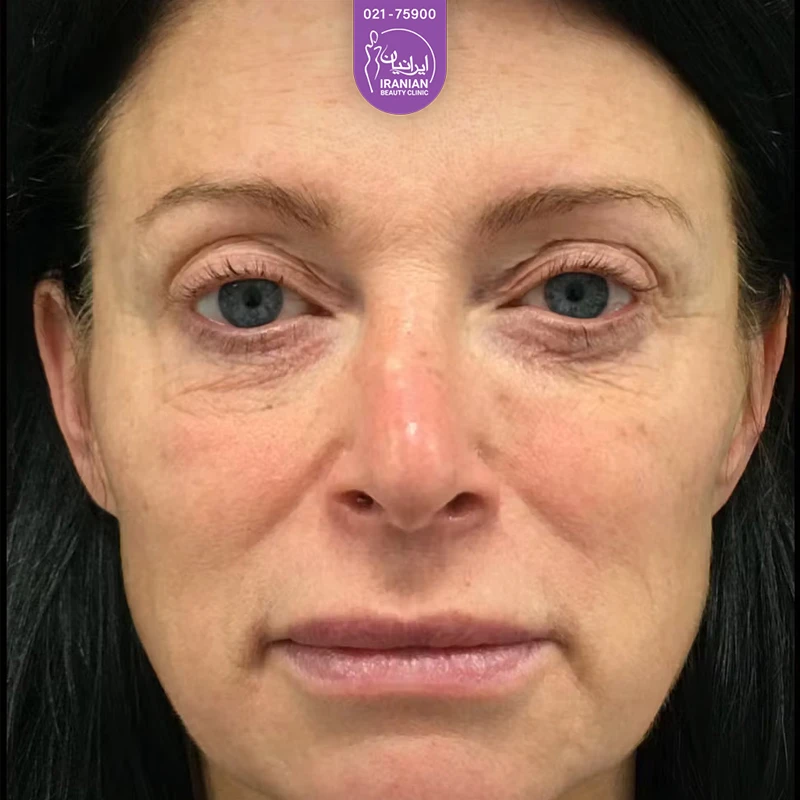
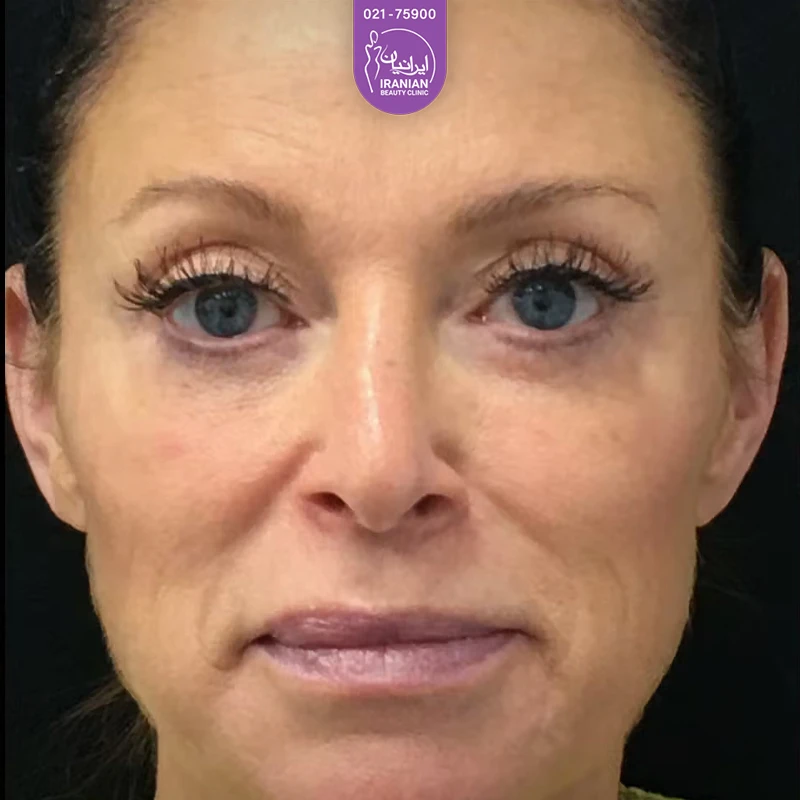
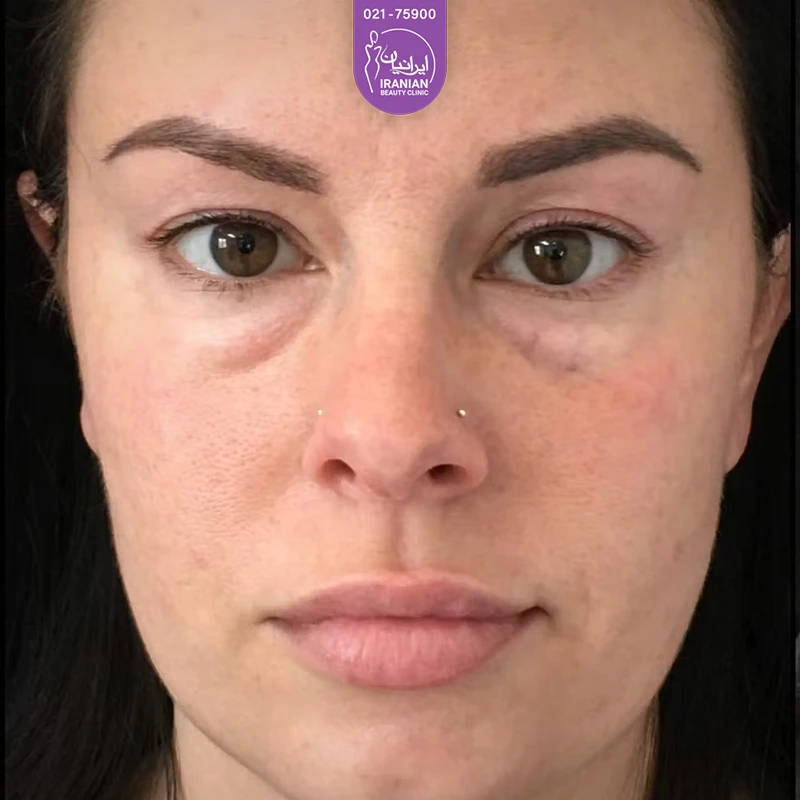
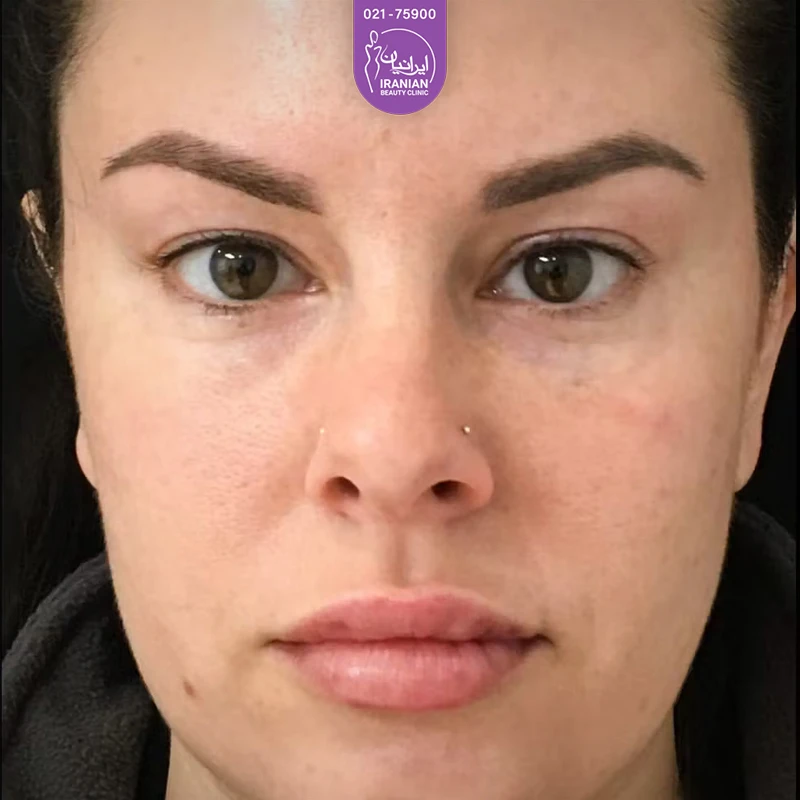
Before and after eyelid surgery: five published case sets
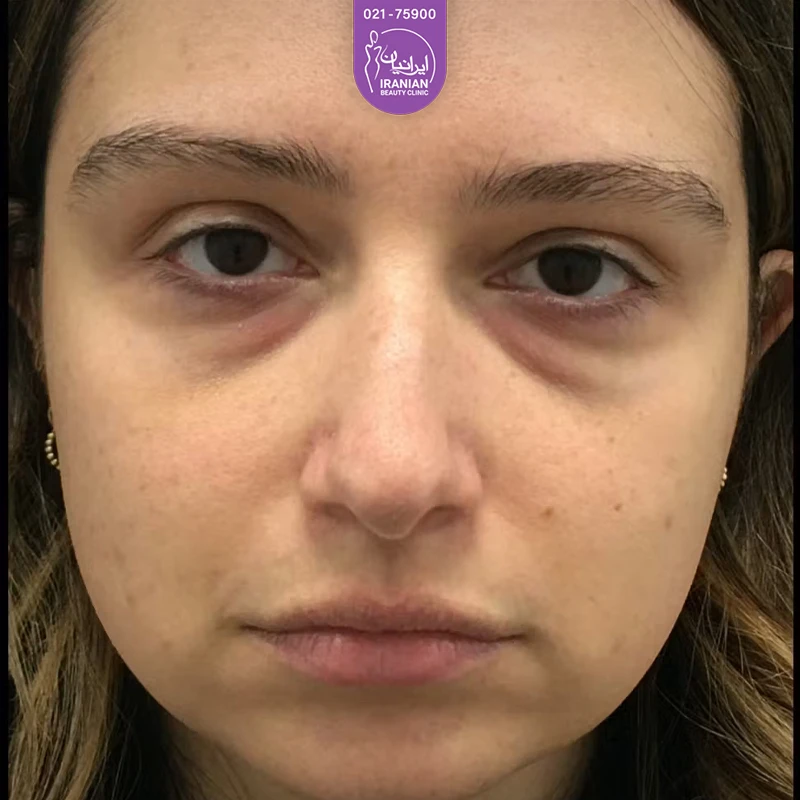
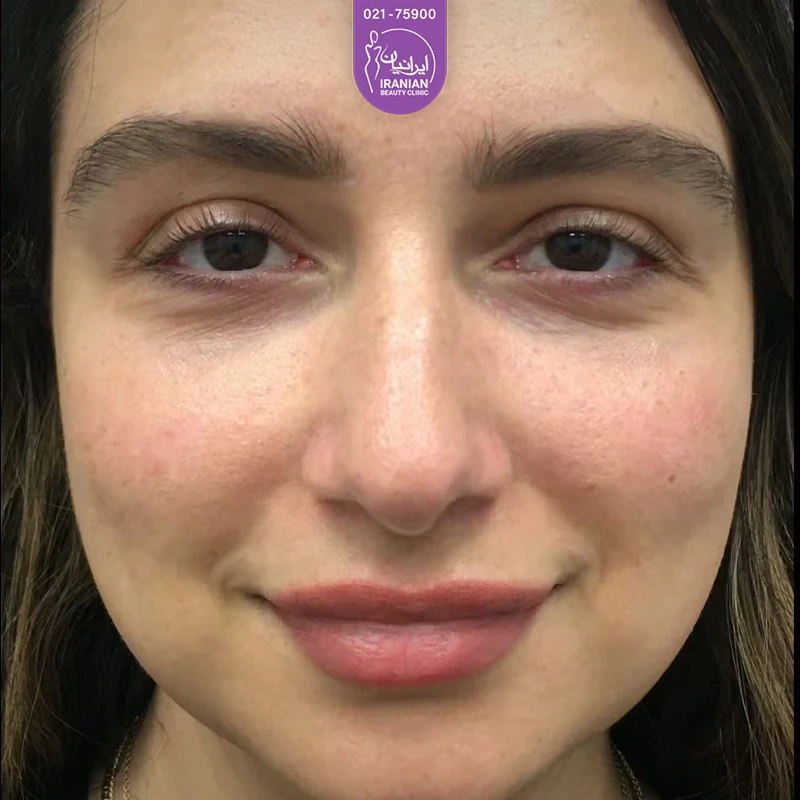
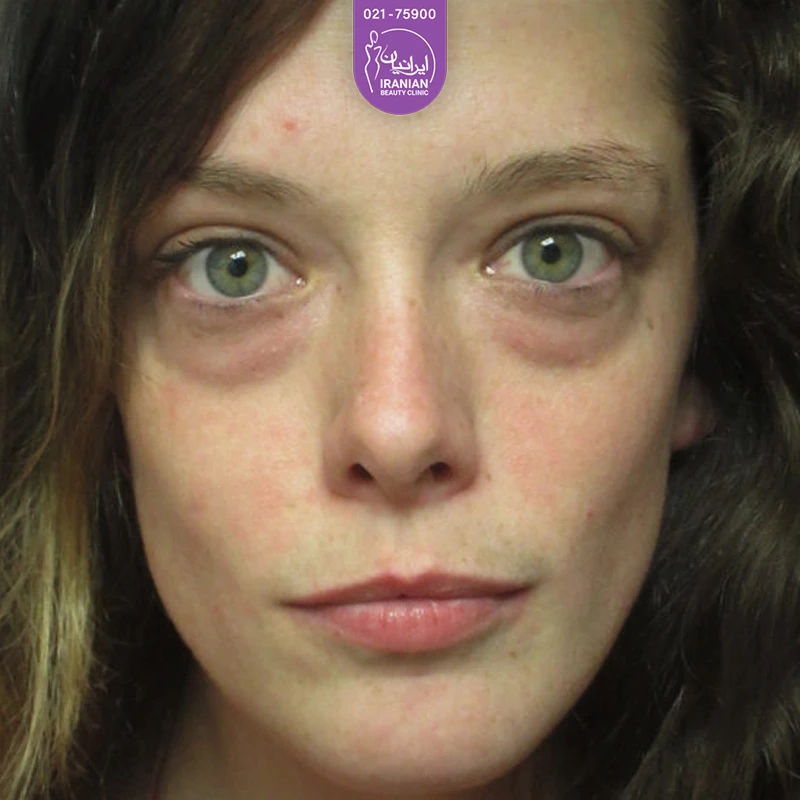
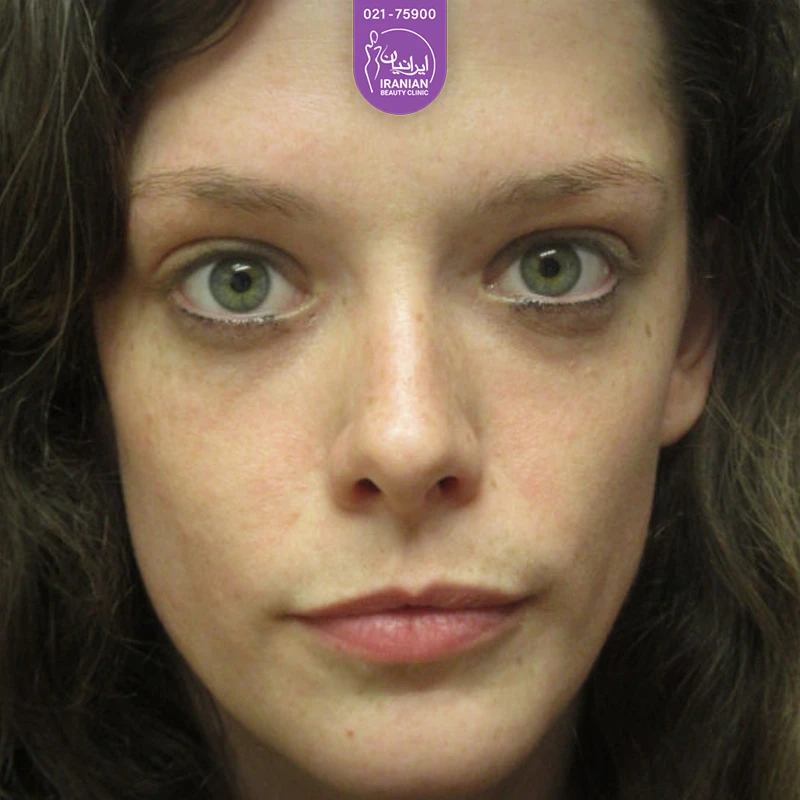
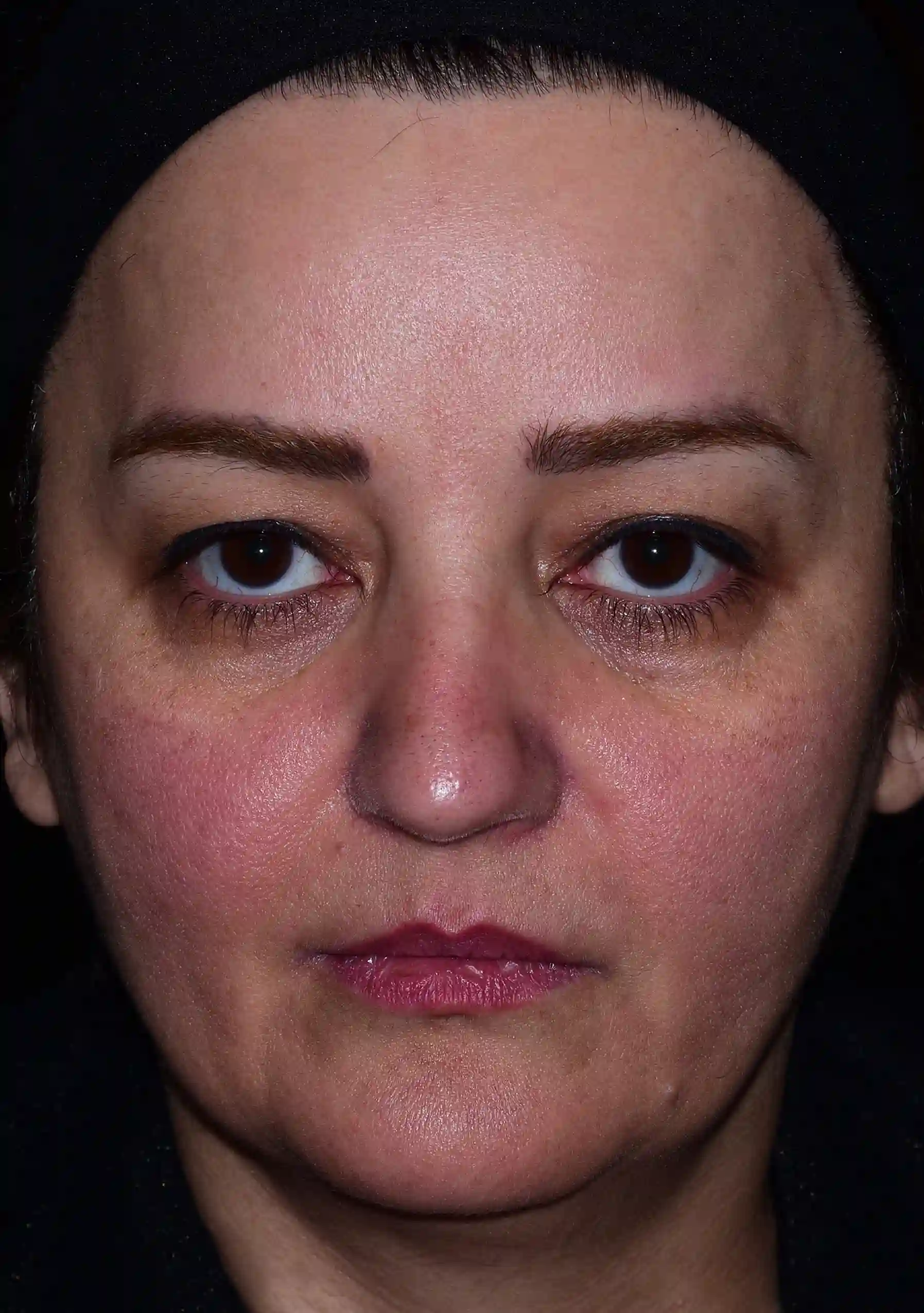
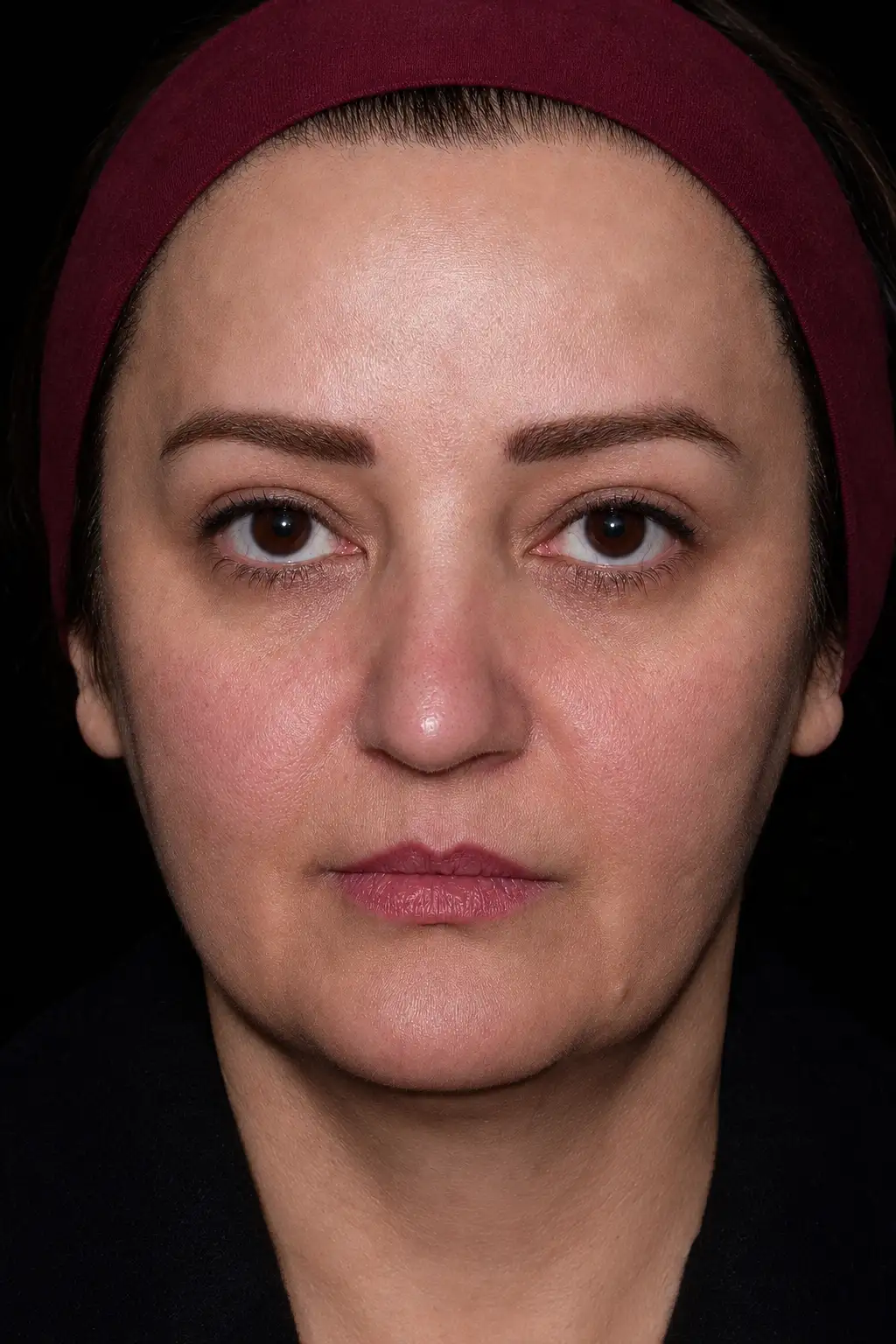
The ten photographs below form five before-and-after pairs, not ten patients. Every image is displayed from Hamintour’s host at its full aspect ratio. Four pairs are from Iranian Clinic’s published images and one from Dr Arash Najaf Beygi’s eyelid gallery. Each caption links the original image. The source galleries do not consistently state whether upper lids, lower lids or both were treated or the time between photographs, so we do not assign those details. These are selected provider examples, not predictable results or verified Hamintour patient outcomes.
When comparing cases, focus on whether the angle, gaze, expression and lighting match. Ask the provider for the procedure performed, any simultaneous treatment and follow-up interval. A photograph cannot show tear quality, eyelid closure or visual-field benefit. See also Hamintour’s eyelid before-and-after collection for more material to discuss in a consultation.


About Hamintour Medical
Hamintour Medical Tourism helps international patients compare treatment options and coordinate a medical trip to Iran. It is a facilitator, not a clinic, hospital or medical team. We do not diagnose eye conditions, prescribe medication or perform eyelid surgery. Our role is to help you obtain responses from providers, understand what is included in their proposals and organize the practical stages of a trip.
For a procedure involving the eyes, this means asking more than “How much?” We encourage a clear written plan, confirmation of the named surgeon and facility, discussion of eye-surface symptoms, and a sensible return and follow-up schedule. You should have room to decline surgery after an in-person examination.
What Hamintour Medical can coordinate
Before you decide
Connect you with potential providers, coordinate record review and appointments, and help compare case-specific written estimates.
During the trip
Arrange requested accommodation, airport reception, local transfers, translation and practical communication with the provider.
After your return
Help pass follow-up questions and records to the treating team while you retain access to local medical care when needed.
Availability and fees for individual services should be confirmed in your proposal. Medical decisions remain entirely with the licensed treating clinician and facility. For other choices that may affect the eye area, read the non-surgical aesthetic treatments guide and explore our Medical Magazine.
Frequently asked questions
Can upper eyelid surgery improve my field of vision?
It may help when excess upper-lid tissue truly obstructs vision, but not every heavy-looking lid is the same problem. An eye specialist or qualified surgeon should examine the lid and document functional symptoms. EyeWiki assessment guidance.
Is a lower blepharoplasty the right answer for dark circles?
Not necessarily. Dark color can reflect pigmentation, thin skin, shadowing, hollowing or a protruding bag. Surgery may address a structural bag while leaving color unchanged. Ask which component the surgeon expects to improve.
Will I have visible scars?
Incisions are commonly placed in the upper-lid crease, below the lower lashes or inside the lower lid, depending on the approach. Scars and healing vary; ask where your own incision would be and look at mature, comparable results. NHS procedure guide.
How long should I stay in Iran?
Remain until the treating team has completed the early review and cleared you to fly. CDC guidance cites 7–10 days after cosmetic procedures to the face, eyelids or nose as a general flying interval, but you may need longer. CDC travel guidance.
Can I have upper and lower lids treated together?
Sometimes. Suitability depends on eye health, the extent of treatment, anesthesia and your medical history. Ask for the benefit, extra risk, recovery plan and itemized cost of each component.
Do these before-and-after photographs show typical results?
No. They are selected cases published by the named providers. Procedure details and follow-up times are not consistently given. They cannot predict how your eyelids will heal or prove the provider’s complication rate.
What if my eyes feel unusually painful after surgery?
Seek prompt assessment for severe pain, sudden vision change, rapidly growing swelling or bleeding. Have the treating team’s emergency instructions and a local eye-care route ready before surgery. Do not rely on an online coordinator for emergency diagnosis.
Take the next step with a complete question
Tell a proposed surgeon whether your concern is appearance, vision, irritation or a combination. Send a medication and eye-history list, request a documented examination, confirm the operating site, and compare written USD quotes with a clear aftercare plan. If you would like help organizing those steps, contact Hamintour Medical or message us on WhatsApp.
This page offers general information, not personal medical advice. The final decision about diagnosis, procedure, timing and price belongs to the licensed clinician and treatment facility after an individual assessment. Clinical and travel sources are linked beside the claims they support.